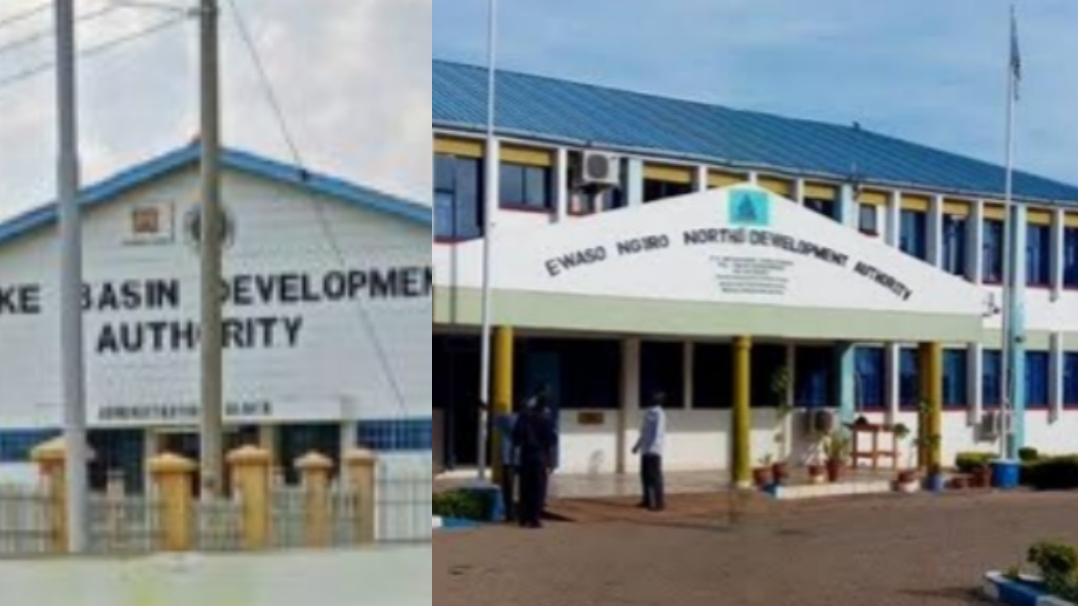
KISUMU, Oct 2026 – Nyanza residents, farmers and stakeholders have strongly rejected the Regional Development Authorities (Repeal) Bill 2026 in toto, which seeks to abolish the six regional development authorities by repealing the laws that established them.
The authorities targeted by the bill are the Lake Basin Development Authority (LBDA), Kerio Valley Development Authority (KVDA), Tana and Athi River Development Authority (TARDA), Ewaso Ng’iro South River Basin Development Authority (ENSDA), Ewaso Ng’iro North River Basin Development Authority (ENNDA) and Coast Development Authority (CDA). The bill aims to transfer their assets, debts, contracts, staff and legal proceedings involving an authority to the State Department for the National Treasury and the Public Service Commission, respectively.
The proposed bill, sponsored by Kimani Ichung’wah, the House Majority Leader, states that the authorities have fulfilled the mandates for which they were created.
“It will align the roles of the national and county governments to the Fourth Schedule of the Constitution; reduce pressure for budgetary allocation; improve efficiency, accountability and service delivery,” it states.
Participants, however, cited the impending loss of sustainable agribusiness development and the severe impact on existing direct and indirect casual jobs among young people and women in the areas covered by the authorities.
In the blue economy, they pointed out the vital role of LBDA’s fish hatchery projects in restocking and preventing the depletion of fish species in Lake Victoria. The authority has also been mentoring young people through various technical training programmes and showing them how to turn subsistence farming into a viable and replicable agribusiness pathway.
During a public participation forum held at the County Commissioner’s Social Hall in Kisumu on Friday, representatives from Kisumu, Nyamira, Kisii, Migori, Homa Bay and Siaya counties said there was an urgent need to enhance and strengthen the authorities’ capacity and streamline their roles so they could adequately serve the people.
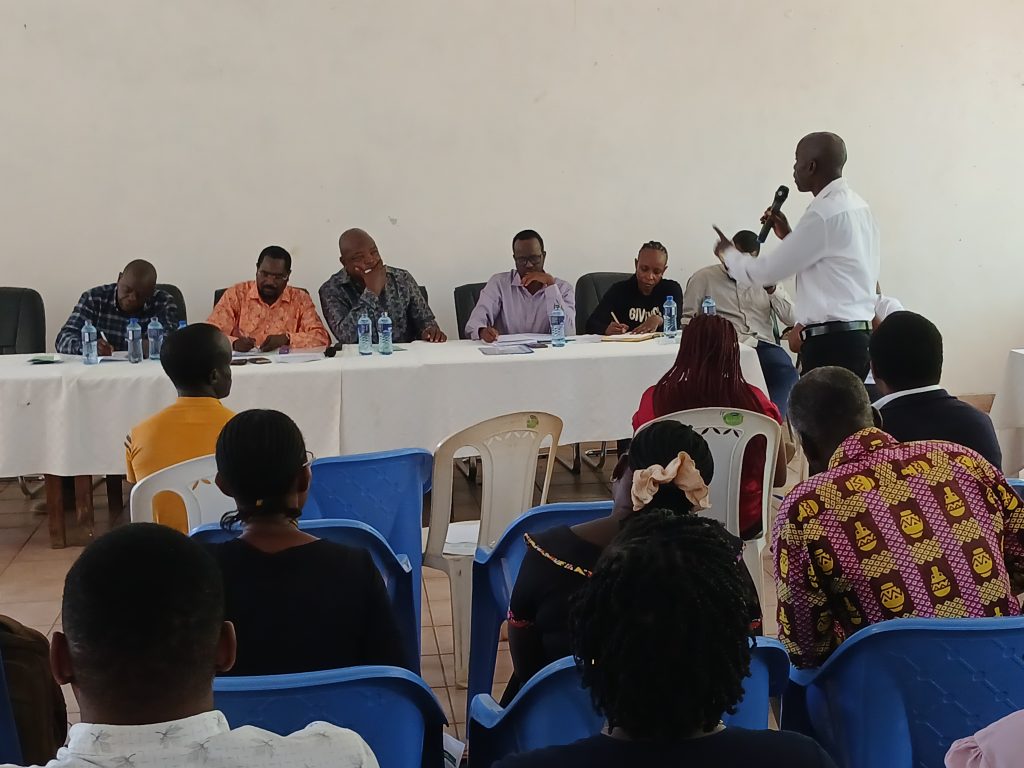
They noted that this could be achieved by giving LBDA a framework to cultivate private entities, enabling it to deliver its services effectively and efficiently to the common mwananchi in the region.
“Why do the bill sponsors want to abolish what is working with an impractical one, and at the end of the day, where are we going as the regional authorities brought services closer to the people?” asked a youth representative.
Echoing similar comments, Ezra Khaoya, a Kisumu resident, asserted: “The government is ‘afraid to fund’ these authorities, create unemployment, and where are they taking the casuals while all employees of the authorities are well secured in the arrangement for purposes of their pension, gratuity and other retirement benefits.”
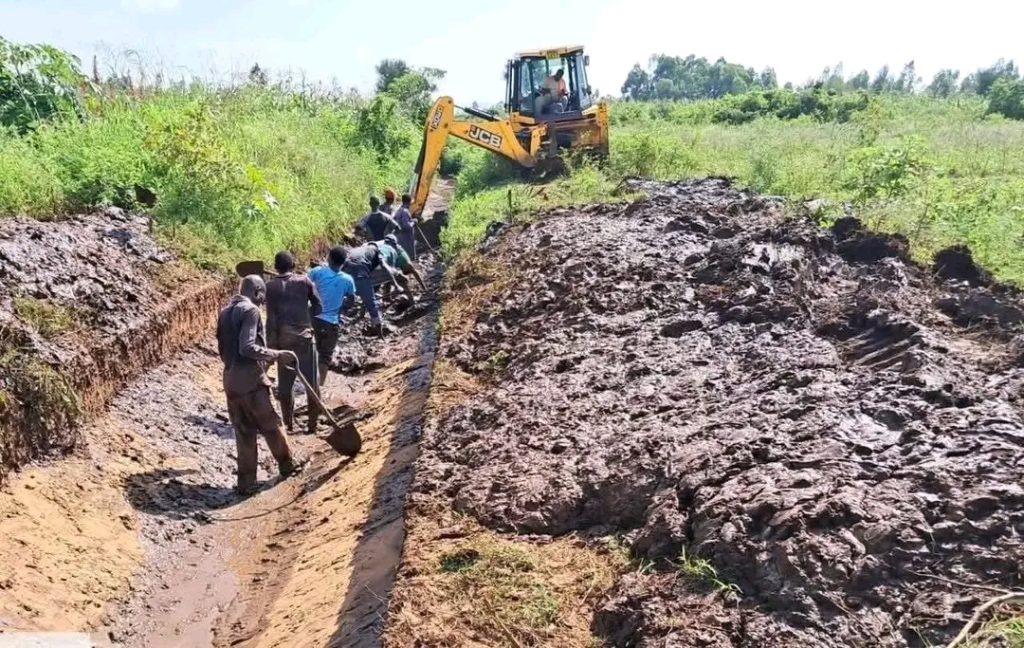
Highlighting the transformative development projects initiated through LBDA, a representative from the Oluch Kimira Irrigation Scheme in Homa Bay County emphasised that the authority had served well as a vital missing link between the government and people at the grassroots.
As a result of LBDA’s efforts, he explained, they are now able to grow rice, beans and sunflowers, as well as engage in dairy farming. This includes the development of canals to control perennial floods and the successful completion of a clean water distribution system serving schools and surrounding communities.
“LBDA normally sends officers to impart knowledge to even widows in the villages on how to undertake good and drought-resistant agricultural farm practices. household food security, and improved welfare for their betterment and the community at large, unlike government agricultural extension officers who ‘prefer sitting in their offices’ instead of touching base with the local farmers.”
To improve national food security, George Aywa, Chairman of the South West Kano Rice Irrigation Scheme, urged the national government to channel more funds to the authorities so they could continue supporting farmers and help them market their produce.
Aroni Anthony, a Nyamira County resident, told the gathering that LBDA had been at the forefront of teaching local people how to make interlocking bricks, as they had used much of their soil to make bricks.
“We no longer depend on trees to burn bricks or sell our land to make bricks. They provide fruit and tree seedlings and briquettes for environmental conservation. It’s only through the regional authorities that we feel the government on the ground.”

The laws set for repeal include the KVDA Act, Cap. 441; LBDA Act, Cap. 442; TARDA Act, Cap. 443; ENSDA Act, Cap. 447; ENNDA Act, Cap. 448; and CDA Act, Cap. 449.
The Departmental Committee on Regional Development, led by legislators Oscar Nabulindo (Matungu) and his counterpart, Majimbo Kalasinga (Kabuchai), however, assured residents that, after collecting and collating public views on the proposed bill, it would articulate and safeguard their opinions when the bill is tabled on the floor of the House for review.