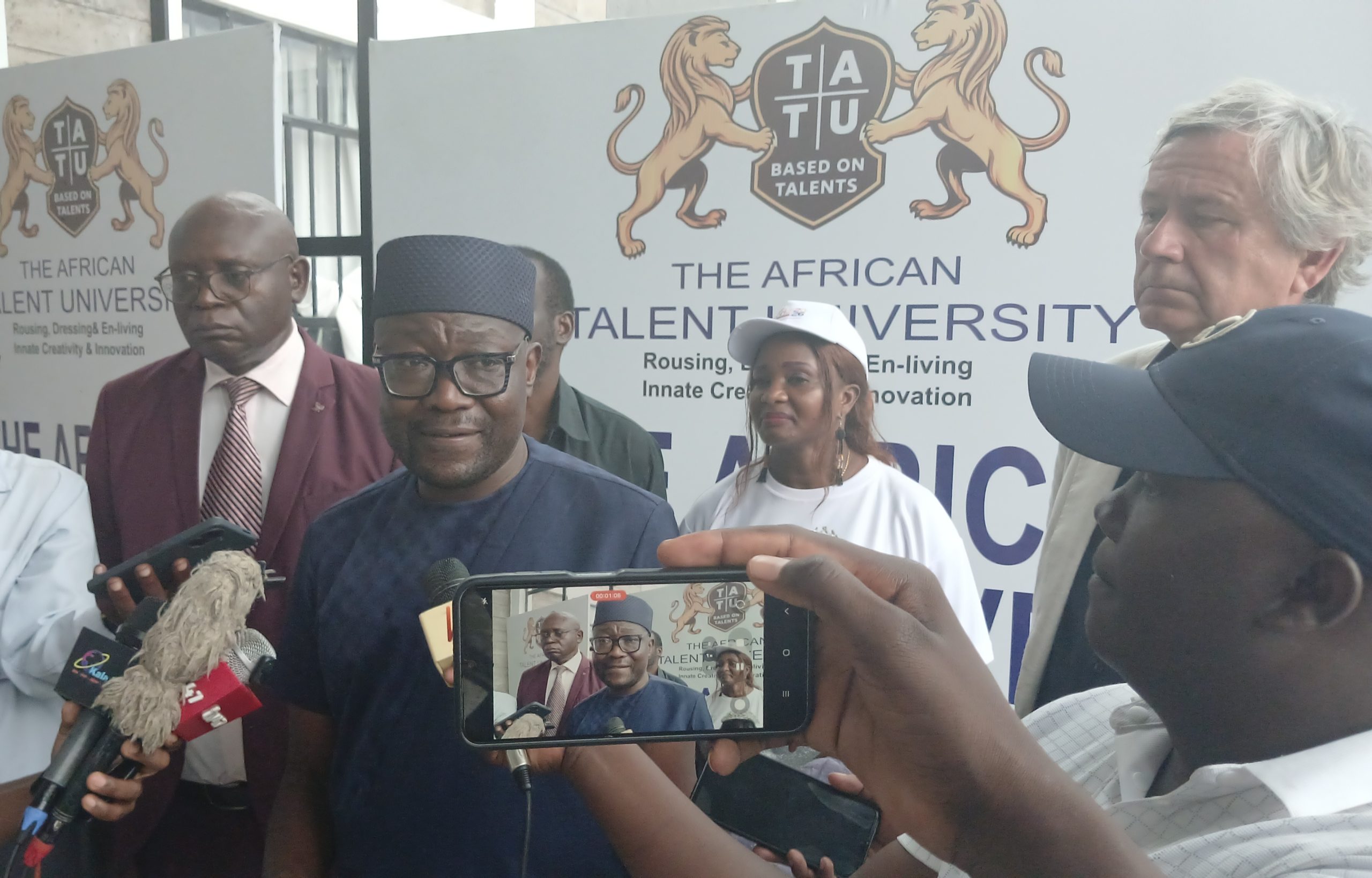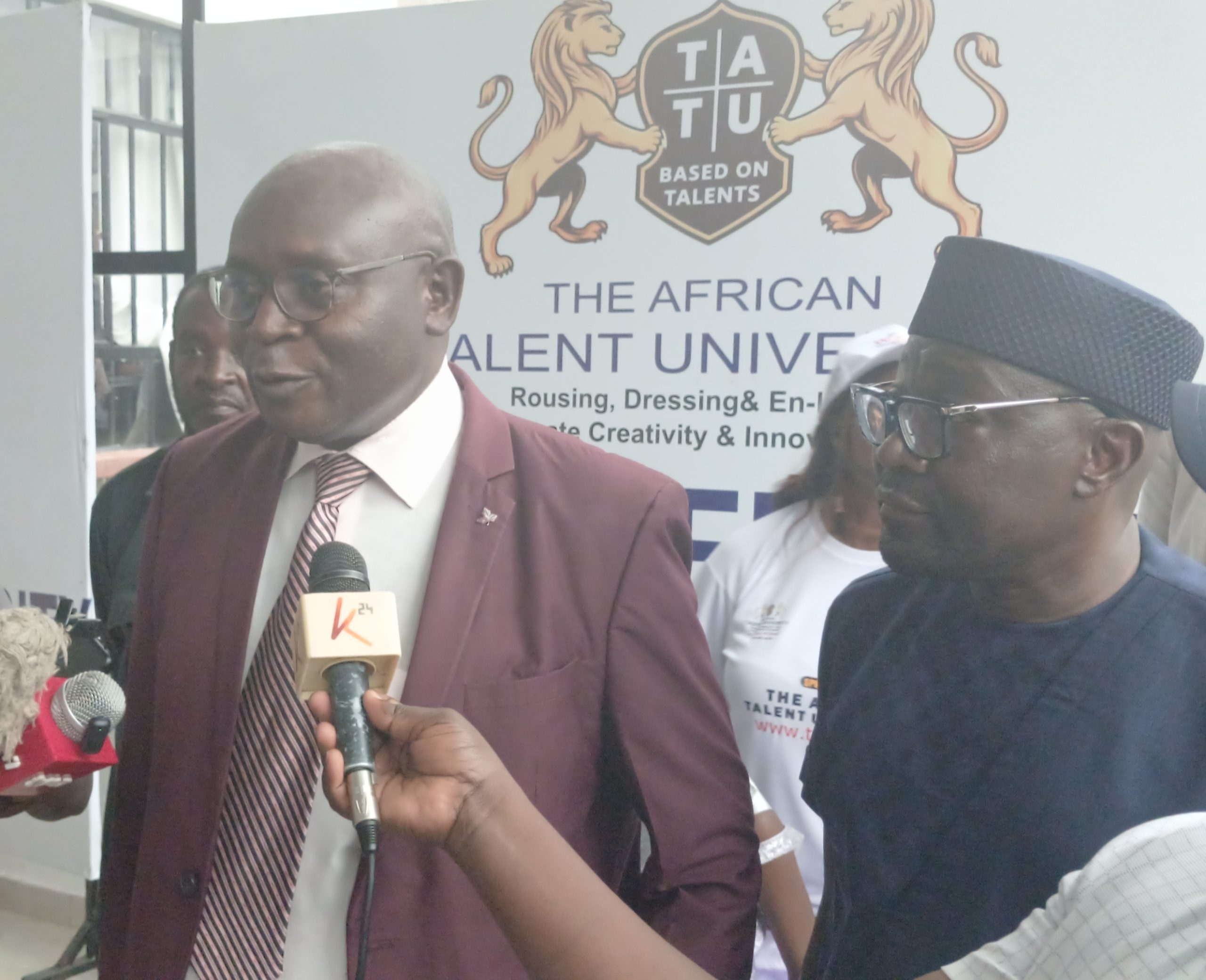
KISUMU, Oct 2026 – The State Department for TVET has called for closer collaboration between TVETs, technical universities and the African Talent University (TATU) to convert youth innovations into enterprises.
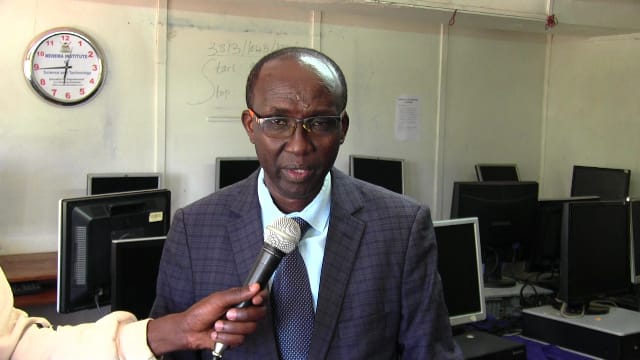
Speaking at the close of the World Talent Conference (WTC) 2026 in Kisumu on Friday, TVET Director Dr Meshack Opwora said such partnerships would help student projects move beyond demonstrations and become viable businesses that create jobs.
Dr Opwora, who praised the creativity and innovations showcased at TATU, said the conference aligned with the government’s agenda on Recognition of Prior Learning (RPL) and Competency-Based Education and Training (CBET). He said he would recommend policy reforms informed by TATU’s model of talent-based, practical education.
He disclosed that 87 development partners had expressed interest in supporting innovations from idea to enterprise.
According to organisers, TVET institutions scooped the top three overall project awards at the five-day biannual convention. The event ran from Monday across three venues, including the main grounds, Mama Grace Onyango Social Centre, and Baraza Media Lab at Lake Basin Mall, and drew 5,614 attendees, who showcased talents, innovations and inventions.
TATU Founder Prof Humphrey Oborah said the conference was designed to change Africa’s mindset about learning, proving that education extends beyond classroom walls and that school dropouts can build bankable products.
He said 17 projects had already been picked up by international investors, donors and partners for development, with a target to commercialise them by 2028.
Participants were drawn from Ethiopia, Somalia, Cameroon, Uganda, Tanzania, South Africa, Liberia and Canada, with two TVET institutions and two universities from Kisumu represented. The majority came from Mt Kenya, Nakuru and the wider Rift Valley.
The conference was officially launched by the Governor of Kisumu in the presence of all County Executive Committee Members.
Also present was Ed Van Linn Vermeulen, Managing Director of Trust to Impact International from the Netherlands, who said his organisation had partnered for four years on the reclamation of the Nyando Delta catchment to reverse flooding, restore biodiversity and curb algae growth in Winam Bay.
“The program’s future depends on youth talent, both through field agents working with families and through high-tech monitoring,” Vermeulen noted.