New report to evaluate progress since 2019’s serious warning on species extinction, gaps in policies, and avenues to attaining 2030 sustainability goals
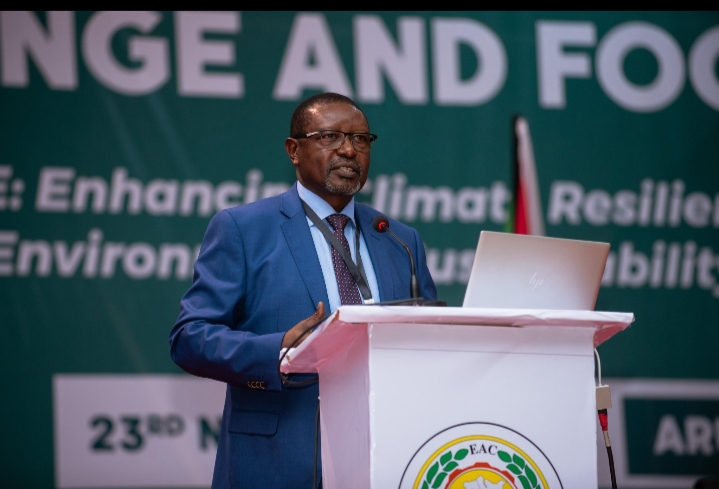
BONN, Germany, August 2025 –The Intergovernmental Science Policy Platform on Biodiversity and Ecosystem Services (IPBES) has named Kenya’s Prof Nicholas Otieno Oguge, alongside Dr Rebecca Chaplin-Kramer (U.S.), and Dr Zhi Lu (China) as co-chairs of its Second Global Assessment.
Prof Oguge is an Environmental Policy expert at the University of Nairobi, and founder of the Ecological Society of Eastern Africa, who focuses on balancing conservation with livelihoods. At the same time, Dr Chaplin-Kramer is the WWF’s Global Biodiversity Lead Scientist, with a bias towards quantifying nature’s economic and ecological value for decision-makers.
Prof Lu is a Peking University Conservation Biologist focusing on endangered species protection and community-led restoration.
The three renowned scientists are tasked with a pivotal report tracking humanity’s progress in halting biodiversity loss and restoring ecosystems.
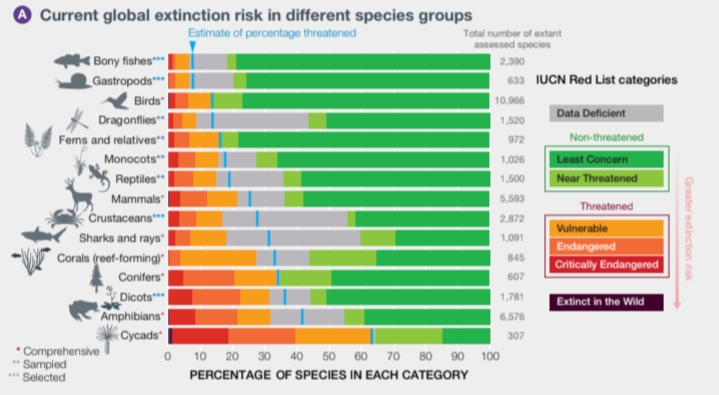
The assessment, slated for release in 2028, will build on the groundbreaking 2019 IPBES Global Assessment that revealed 1 million species at risk of extinction and spurred global biodiversity targets.
“IPBES survey indicates an estimated 2-6 percent decline per decade across all assessed indicators over the past 30-50 years.”
Assessment Essentials
The new evaluation will analyse advances since 2019, including efforts to meet the Kunming-Montreal Global Biodiversity Framework and other 2030 sustainability goals.
Significantly, it will identify policy gaps and emerging threats, from habitat destruction to climate-linked ecosystem shifts, and highlight scalable solutions by examining successful local-to-global conservation strategies.
“This will be one of the most comprehensive environmental assessments ever, a blueprint for policymakers to safeguard nature and human well-being,” said Neville Ash, IPBES Officer-In-Charge.
The trio will oversee more than 120 international experts drafting the report, with the first meeting set for November 2025 in Paris, and the draft will open for peer review in mid-2026.
Key Questions
The Assessment will address pertinent issues such as How close is the world to achieving “harmony with nature” by 2030?, What systemic barriers hinder progress, and How can they be overcome?
They will also look into which innovative policies show promise, such as Indigenous-led conservation and nature-positive economies.
IPBES’s first Global Assessment (2019) exposed agriculture, climate change, and overexploitation as top drivers of biodiversity collapse.
It underpinned the 2022 Kunming-Montreal Agreement, which set targets like protecting 30 percent of Earth’s land and oceans by 2030.
“The assessment will synthesise findings from past IPBES reports on pollinators, invasive species, and sustainable use, offering actionable insights ahead of 2030 deadlines,” IPBES concludes.