It would be a learning ground, a source of pride, and a job creation engine. It would allow the youth to build their country—literally—and believe again in the promise of nationhood.
KISUMU, Kenya, September 26th –For decades, Kenya has stood at a crossroads, with our greatest potential often overshadowed by hesitation and short-term thinking.
Our youth remain restless and underemployed, our economy leans heavily on a few overburdened sectors, and our infrastructure, though expanding, still mirrors colonial patterns—outward-looking, coastal-focused, and slow to connect the vast richness of our interior to global trade.
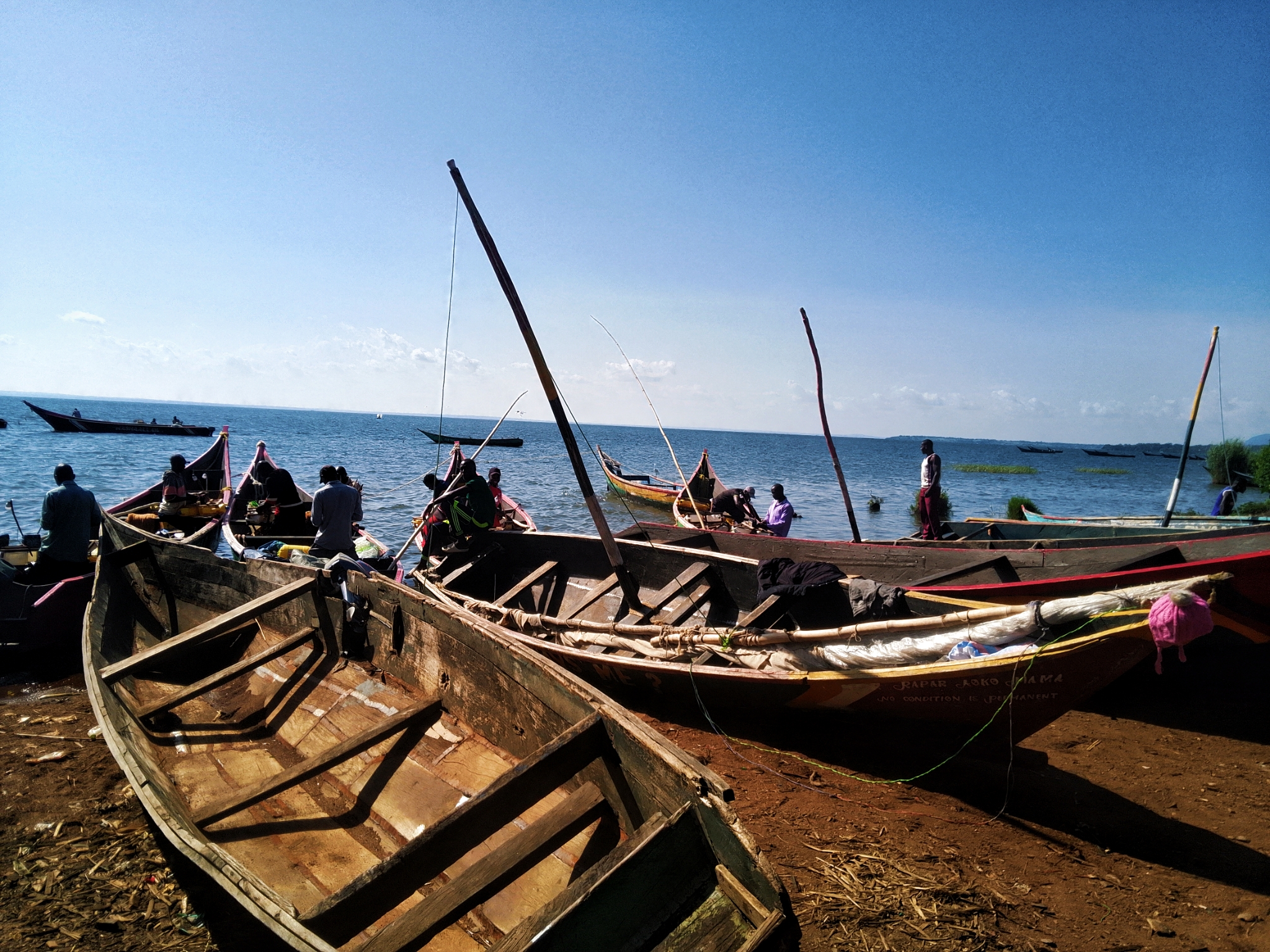
But, what if our true future lies not along the coast, but in the heart of our land, in the blue, quiet waters of Lake Victoria?
It is time for a bold awakening.
Lake Victoria is more than a freshwater body. It is an opportunity—a geopolitical, economic, and ecological asset whose full potential remains largely untapped.
While its waters have for generations sustained fishing communities, small-scale transport, and agriculture, they have never been harnessed for what they could truly become: the foundation of a mega-canal—a transformative inland waterway that connects the lake to national and international trade routes, revitalising Kenya from the west inward.
This canal, if pursued with vision and commitment, could redefine not just regional logistics, but the nation’s economic future.
It would turn Kisumu into a bustling inland port, connect Western Kenya more directly to both East African neighbours and international markets, and unlock access for agricultural producers long cut off from efficient transport.
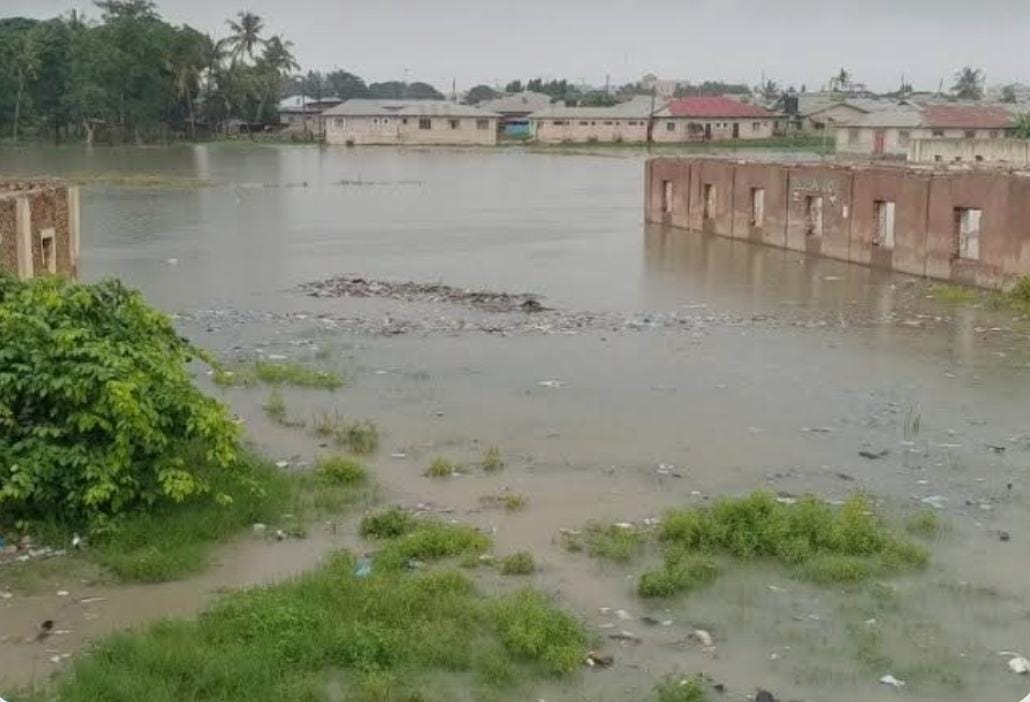
Significantly, it could integrate water management systems, support irrigation across climate-vulnerable counties, and even serve as a source of renewable energy through carefully placed hydropower installations.
Most crucially, it would generate jobs, hundreds of thousands during construction and long after, through maintenance, transport, agribusiness, and services. The economic pulse of the nation would no longer beat solely from the coast or capital—it would surge from the lake.
This isn’t a new idea. It has circulated in hushed policy papers, in conference side conversations, in whispered ambitions of engineers and planners.
But what has been lacking is the courage to put it on the table—boldly, publicly, and unapologetically. Great nations build. The Dutch fought the sea and won.
The Egyptians linked seas through deserts. The Panamanians split the continents. China has stitched together regions and continents with steel and stone. Why not us?
Kenya has already shown glimpses of ambition. We built the Standard Gauge Railway. We pioneered mobile money and digital banking. We dreamt of a Silicon Savannah in Konza Technopolis. But these dreams will remain scattered unless we anchor them to a unifying vision—something massive, inclusive, and symbolic.
A Lake Victoria Mega-Canal is that vision. Not just for Kenya, but for East Africa. It could serve as a continental infrastructure legacy—owned, imagined, built, and led by Africans for Africans.
Of course, the challenges are real. Building such a canal would require extensive feasibility studies, environmental assessments, regional cooperation, and serious investment.
It would demand engineers, lawyers, planners, conservationists, financiers, and—above all—political will. It would take time, sweat, and sacrifice. But so did every transformative project in the world.
So what truly holds us back? Not capacity. Not money. Not even geopolitics. What holds us back is fear—fear of dreaming big, of thinking beyond electoral cycles, of committing to projects that may not yield votes, but would yield a new Kenya. We’ve become comfortable managing problems rather than solving them.
Comfortable tweaking old models instead of inventing new ones. Comfortable being realistic, even when realism leads to stagnation.
The canal would not only be an infrastructure project—it would be a national movement. One that brings together government, private sector, universities, diaspora investors, and young people with purpose.
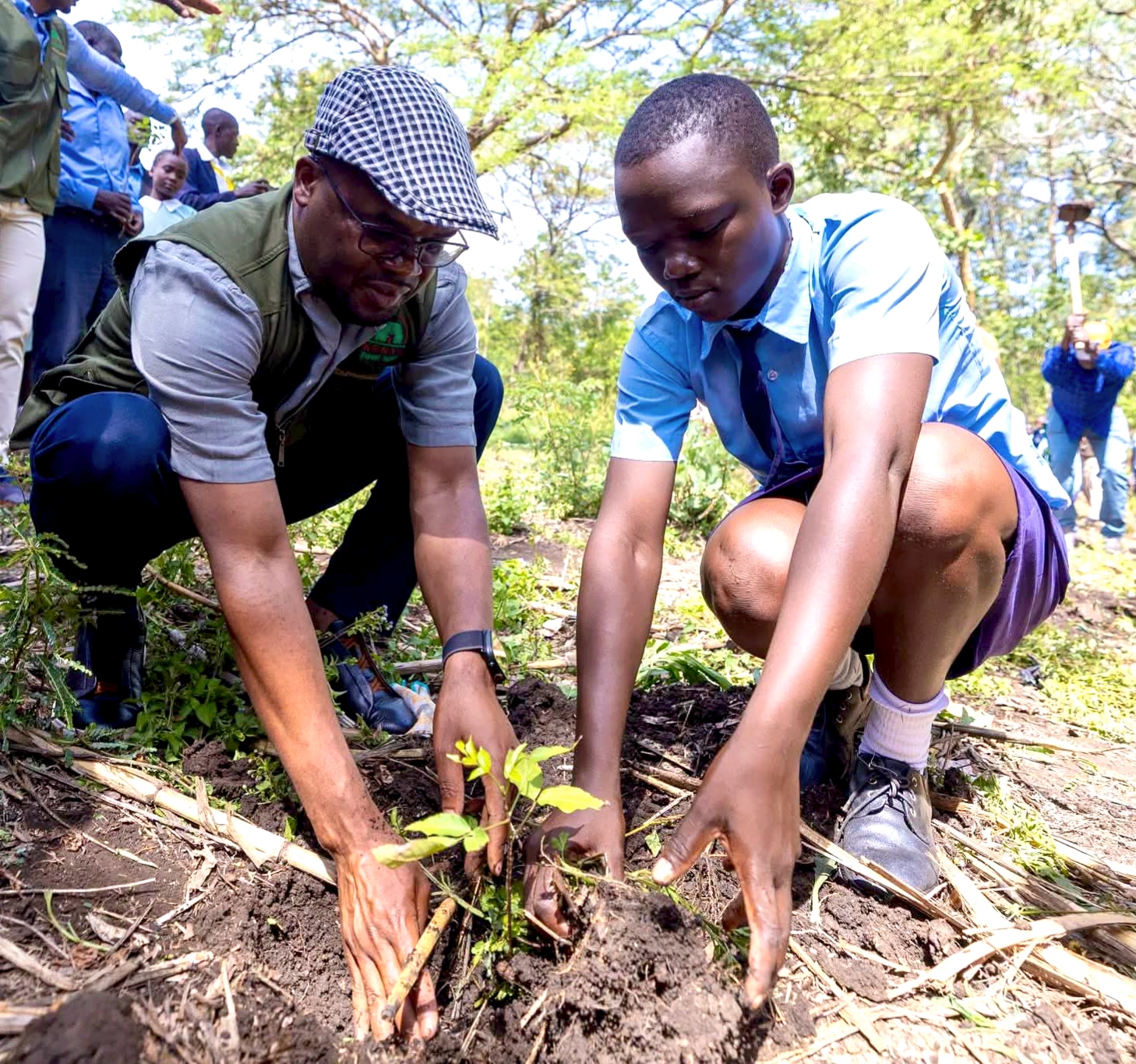
It would be a learning ground, a source of pride, and a job creation engine. It would allow the youth to build their country—literally—and believe again in the promise of nationhood.
Kenya needs to dream again. Not in soft slogans, but in steel and stone, sweat and sacrifice. The future will not be inherited—it will be built. If we don’t, others will do it for us, and we will remain consumers of other nations’ vision.
The waters of Lake Victoria are calm. But they are waiting. Waiting for a generation that will dig, connect, and dare. Waiting for leaders who will stop asking for permission and start breaking ground.
This is our bold awakening. Let us write our own story—before others write it for us.
Kepher Otieno, is a senior writer, a Media consultant and a regular advocate for democracy and good governance in Africa. kepherpeace@gmail.com.