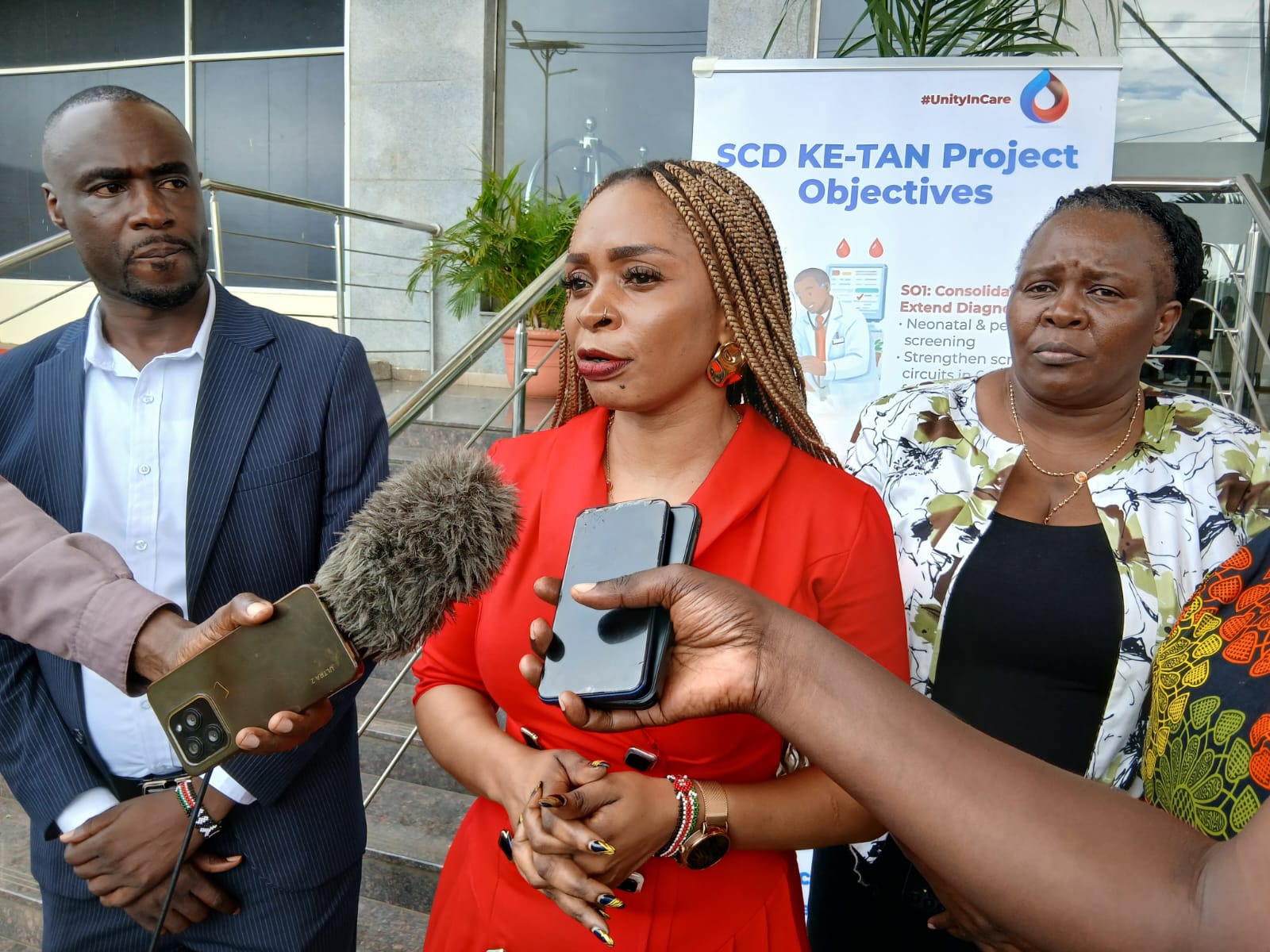
KISUMU, May 2026 -In a major response towards addressing the rising burden of Sickle Cell Disease (SCD), Kisumu County is set to benefit from the PFAB Foundation partnership with local organisations aimed at reducing infant mortality and improving the quality of life for “warriors” in East Africa.
Launched in February 2026 in Nairobi, the three-year initiative (2025-2028), spanning Kenya and Tanzania, represents a total investment of approximately 3 million euros, with 1.3 million euros (approx. Sh182 million) dedicated specifically to Kenyan interventions.
According to Abdulsalam Otunyinyi, General Coordinator for the program in East Africa, the intervention comes at a critical time and the SCD Kenyan Program, will be undertaken by the Ministry of Health, Sickle Cell Federation and local health organisations.
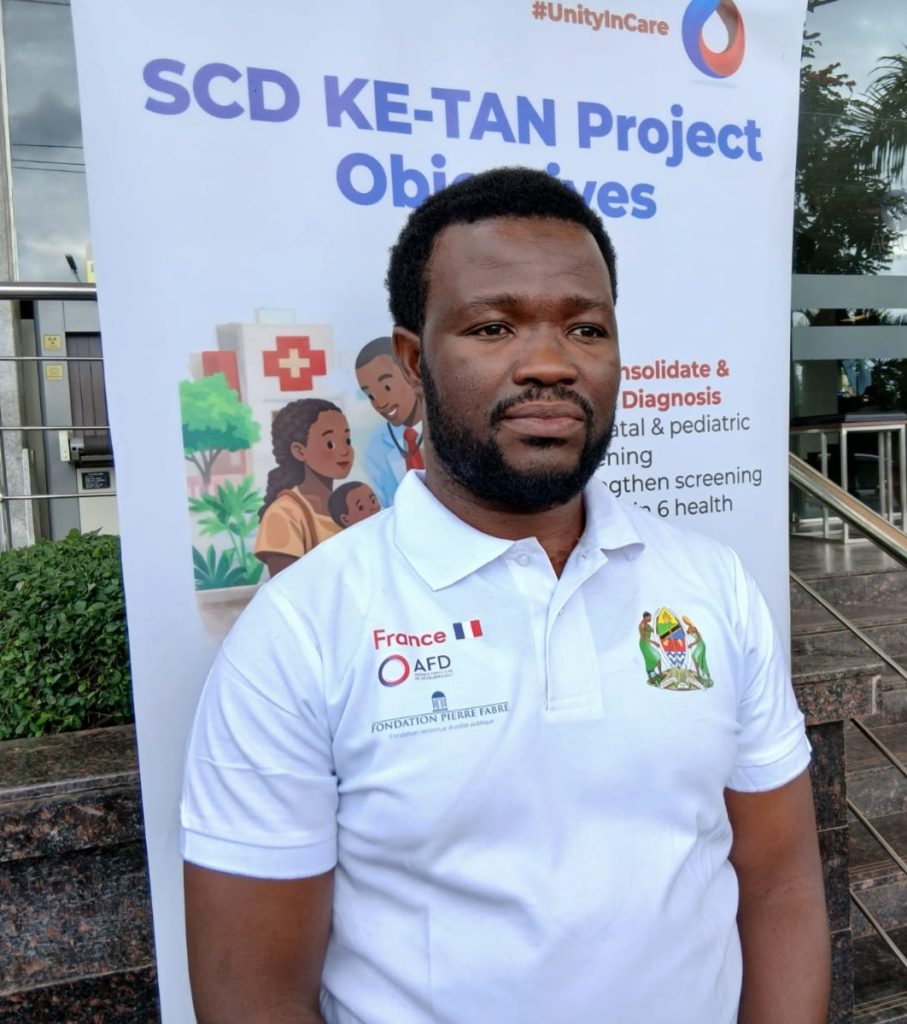
“In Kenya, we are talking about 14,000 newborns every year with sickle cell disease,” Otunyinyi stated during a media briefing at the sidelines of a stakeholders e forum in Kisumu recently.
“Most tragically, 80% of these babies will die before the age of five without proper intervention.”
Major Objectives
The French medical non-profit organisation partnership mainly aims to achieve three core objectives such as firstly, the Expanded Diagnosis for implementing universal newborn screening and awareness campaigns.
“Secondly, there is Access to Healthcare by enrolling over 300 patients into health insurance schemes and establishing “revolving fund pharmacies” to provide affordable access to Hydroxyurea, a life-saving medication often out of reach for many,” Otunyinyi explained.
Thirdly, he further highlighted the Socio-Economic Support for launching income-generating activities for families and “warriors” to combat the financial vulnerability caused by the disease.
High Burden
During the conclusion of a healthcare worker training session in Kisumu, local officials highlighted the “Lake Region” as a high-burden zone.
Fredrick Oluoch, Kisumu County Director for Public Health and Sanitation, revealed that the neonatal prevalence in the county averages 3%.
”The high-burden areas are Nyakach and Seme sub-counties,” Oluoch noted, citing intermarriage within subclans and the historical biological link between malaria endemicity and the sickle cell trait as contributing factors.
To combat this, the county is partnering with religious institutions to integrate sickle cell screening into pre-marital counselling.
“When couples make an informed decision, it helps us reduce the number of new children born with the disease,” Oluoch added.
In a major boost, the initiative also saw the Ministry of Health hand over a Gazelle machine, a portable, high-tech diagnostic tool to enhance screening capacity in Kisumu County.
Dr Yvette Kisaka, Technical Lead for SCD at the Ministry of Health, emphasised that the Kisumu project serves as a pilot for the national rollout.
“This is a catalytic effort. We are looking at supporting screening for infants and capacity building that can be replicated in the Coastal and Western regions,” she said.
Income Generation
Addressing concerns about what happens after the 2028 funding cycle, Emily Gumba, CEO of the Sickle Cell Federation of Kenya, praised the program’s focus on empowerment.
”One thing unique about the PFAB program is the income-generating activities for the warriors. Not many projects have the warrior at heart,” Gumba said.
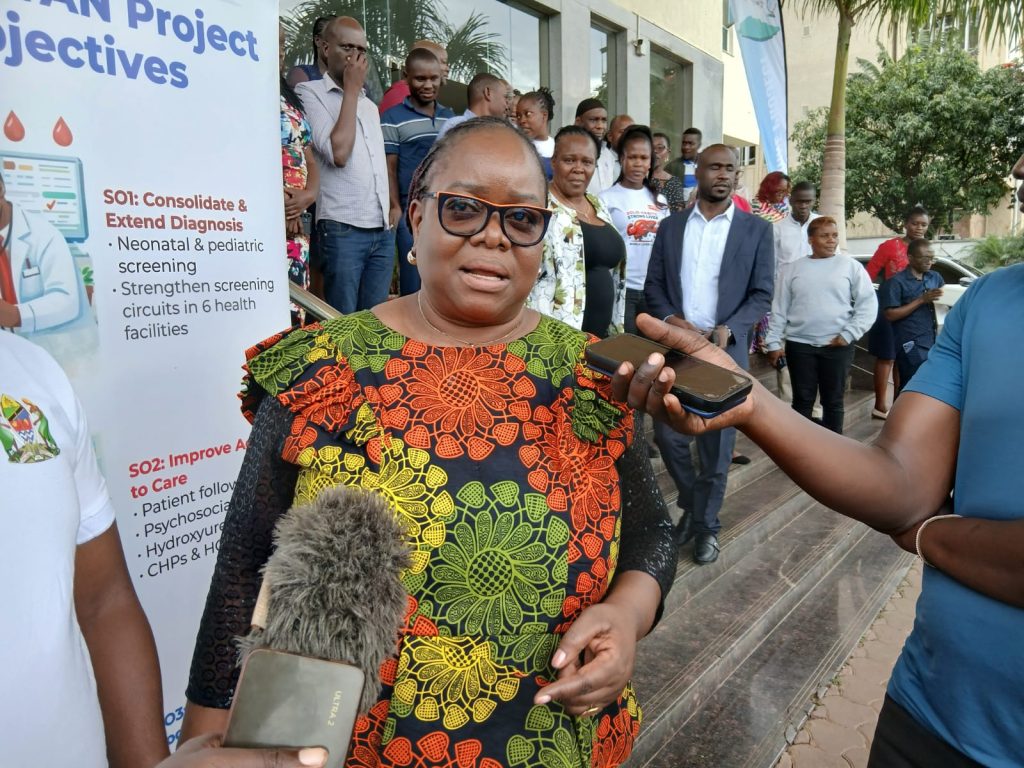
She further urged all patients to register under the Social Health Authority (SHA) to ensure long-term access to treatment and government-provided care.
“At the end of the program, we aim to leave behind a self-sustaining network of clinics, trained community health promoters, and economically stable families,” PFAB says.