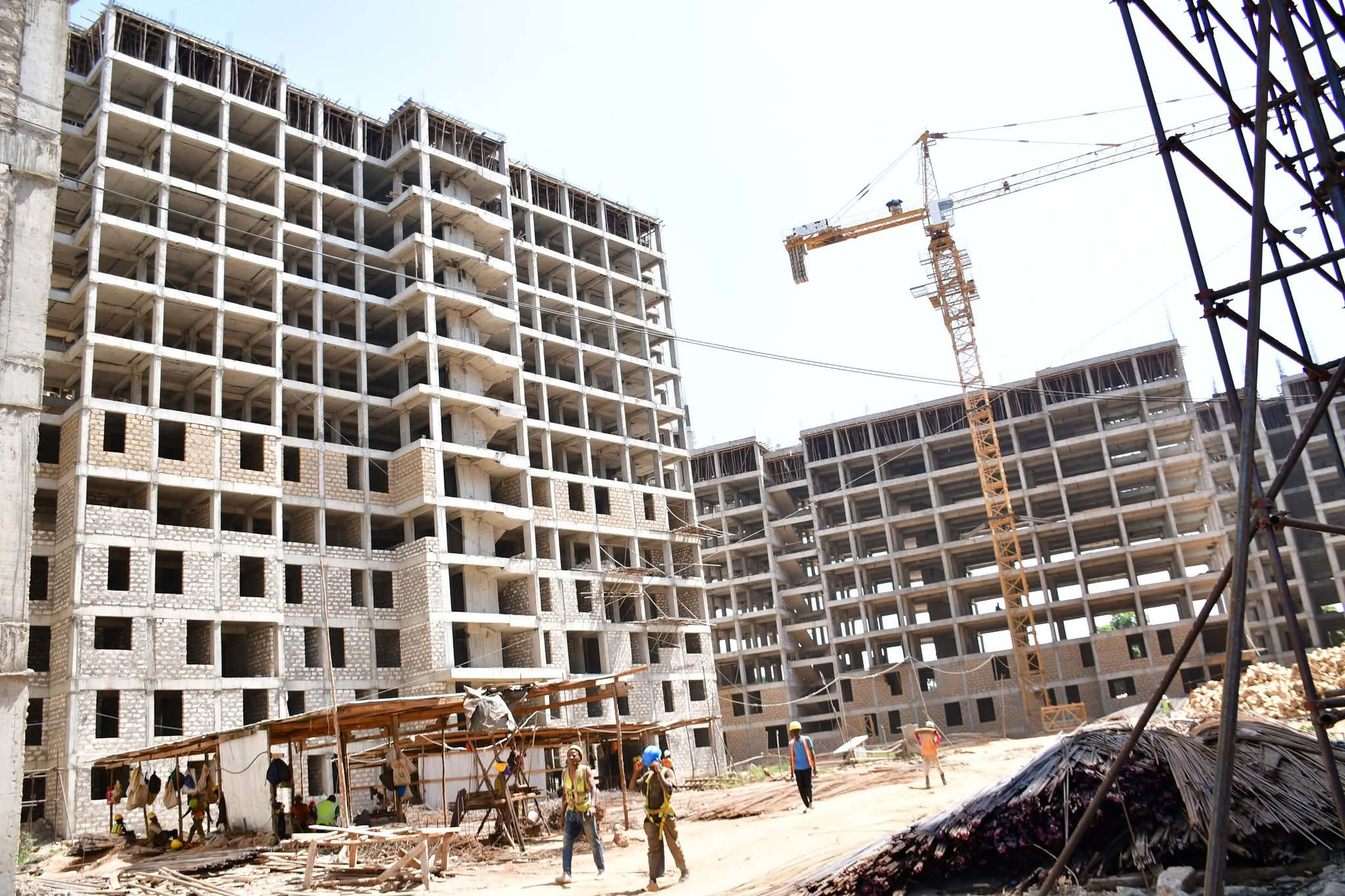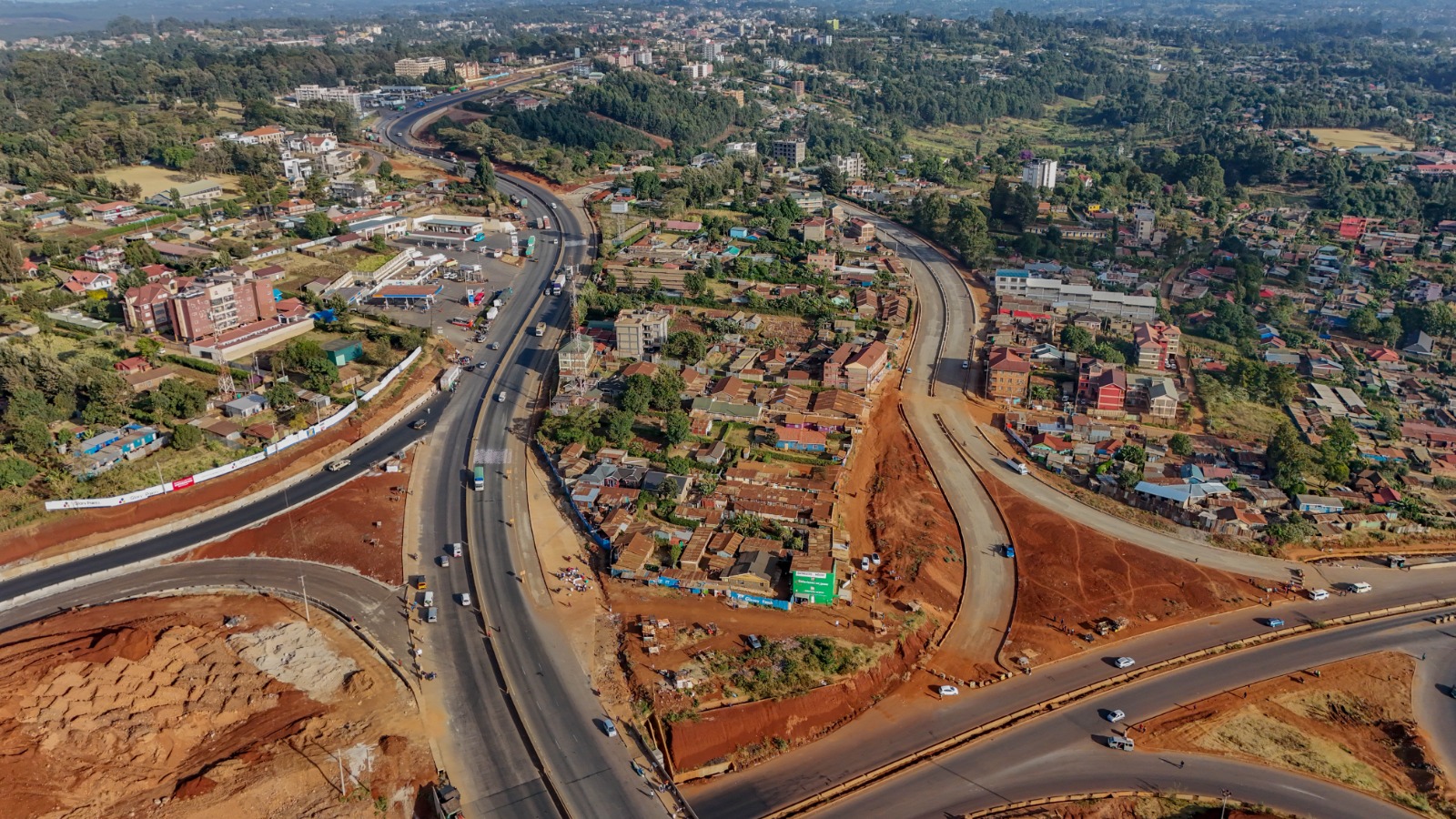
It is development that occurs as a response to pressures, incentives, constraints, and shocks emanating from the global system, rather than from an internally defined developmental logic.
KISUMU, 11th February –Between August 2025 and 19th January 2026, I had the rare privilege of teaching, on an adjunct basis, across three Kenyan universities, engaging students in courses that sit at the heart of Political Science and International Relations, especially their sub-domains of political economy, development, and global inequality.
As I now wind up teaching for the semester, and as my students prepare to sit their examinations (with the hope, of course, of excellent performances), I find this a fitting moment to pause and reflect.
One of the most intellectually stimulating discussions I have had this season emerged from my fourth-year class at Rongo University (Main Campus), under the course PSA 410: Dependency and Underdevelopment in the Third World. Across ten lectures, one organising idea kept resurfacing, sometimes explicitly, often implicitly. I have since come to think of it as REFLEX DEVELOPMENT.
Third World
By reflex development, I mean a condition in which what passes for “development” in Third World societies, particularly in Africa, is not autonomous, transformative, or self-directed, but reactive, conditioned, and externally calibrated. It is development that occurs as a response to pressures, incentives, constraints, and shocks emanating from the global system, rather than from an internally defined developmental logic.
In such a setting, Third World countries do not design development; they adjust to it. They do not choose development paths; they reflexively respond to them. This results from three (or four) key components of the Third World Development Environment.
Firstly, the Third World countries, especially in Africa, operate within what can best be described as a structurally hostile development environment. Historically forged through eurocentric cataclysms of missionarism, slaverism colonialism, and later institutionalised through neo-colonialism of global capitalism. This environment assigns Africa a peripheral role. An exporter of primary commodities, importer of finished goods, consumer of foreign technology, and borrower of last resort.
As Prebisch, Singer, Frank, Dos Santos, and Rodney warned decades ago, this structure ensures that growth, where it occurs, rarely translates into development. Terms of trade deteriorate, value is externalised, and surplus is systematically extracted. What remains is an economy that can only expand in reflection of external demand, external capital, and external approval. This is the first foundation of reflex development: development conditioned by position in the world system.
Weak Institutions
A second component is the critical internal determinant; the obtaining of governance pathologies. To blame structure alone would be analytically lazy. Reflex development is sustained not only by external forces but also by internal governance pathologies. Cronically weak institutions-made so by policy design, elite capture, corruption, rent-seeking, ethnicized politics, and policy inconsistency do not merely coexist with dependency, they interlock with it.
Thirdly, Third World elites, also Comprado Buorgeoisie, often function less as developmental agents and more as local managers of global interests, mediating between international capital and domestic societies. Public policy becomes short-term, externally oriented, and politically defensive rather than transformational. Development planning is reduced to compliance: satisfying donors, creditors, rating agencies, and international financial institutions. Within such an environment, development becomes administrative, not structural; technocratic, not political; reactive, not visionary.
Fourth and an integrated analytical component is the conspiratorial notion that attempts to fundamentally revise the global development order are not cost-free. As Brown (2012) reminds us, the international system is underpinned by what he calls “immovable structures of domination.”
Leaders who seriously threaten these structures, by nationalising strategic resources, rejecting debt discipline, reorienting trade, or asserting radical economic sovereignty, often encounter severe consequences: capital flight, sanctions, political destabilisation, delegitimisation, or death (Patrice Lumumba, Kwame Nkurumah and others are worth mentioning as examples here).
Policy Innovations
This reality imposes a disciplining effect on African leadership. Even well-intentioned reformers learn quickly that survival often requires moderation, accommodation, and retreat. As a result, policy innovation is not only hybrid and confused, but also cautious, incremental, and externally palatable. The outcome is not transformation, but reflex adjustment.
Put differently, Africa’s development dilemma is not a lack of ideas, effort, or aspiration. It is the result of a tight coupling between structure and agency, where external constraints narrow internal choices, and internal weaknesses reinforce external control. In such a system, development alternatives are defined elsewhere, and local economies can only grow, or shrink, in response, reflexively.
This is why decades of reforms, plans, visions, and strategies often yield movement without progress: policy change without structural change; growth without redistribution; reform without emancipation.
To conclude, to speak of reflex development is not to deny African agency, nor to romanticise victimhood. It is to insist on ANALYTICAL HONESTY. Development in the Third World, from a ‘reflex development’ standpoint, is not failing because these societies are lazy or leaders are ignorant. It is struggling because it unfolds within a deeply unequal global order, mediated by compromised domestic political economies.
The billion-dollar question, then, is not simply how to develop, but how to reconfigure the conditions under which development becomes possible. That, perhaps, is the hardest lesson my students and I grappled with this semester. And one worth sharing beyond the classroom.
Odhiambo A. Kasera is a Political Scientist and Adjunct Lecturer at Maseno, Rongo and the University of Kabianga.