BANDANI, Kisumu, August 2026 – As Kenya gears up for the 2027 General Election, the Inter-Religious Council of Kenya (IRCK) and Muslim clerics in Kisumu are calling for peace, tolerance and national cohesion.
They warned that the spontaneous 2007 post-election violence was a mistake that must never be repeated.
Their call comes amid a recent surge in politically-instigated violence, threats and intimidation by rival groups competing for party dominance.
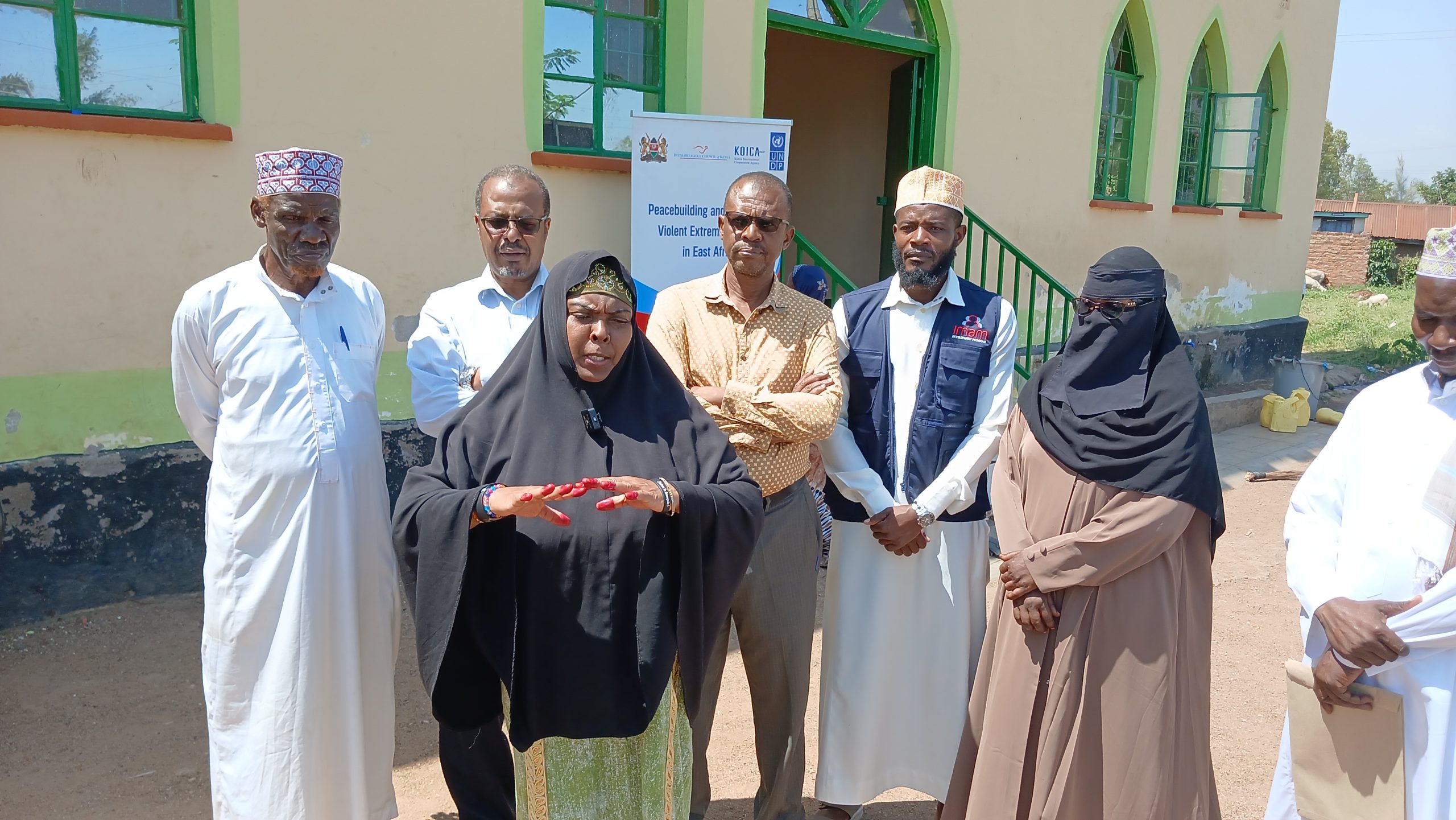
Speaking at Bandani Mosque in Kisumu West on Friday, Muslim leaders led by Sheikh Faraji Otieno Amollo and Kisumu County IRCK official Fatima Hussein urged the youth not to allow themselves to be used by politicians to cause chaos.
“We don’t want war in this country, we desire peace because peace is everything. It creates a viable environment for the economy to thrive. If we arm ourselves with rungus, machetes and pangas, there will be no peace,” they warned.
The clerics underscored the sanctity of human life, saying: “Saving a life is like saving an entire nation, while taking a life is like killing the whole nation.”
Quoting scriptures, they added: “All of us have the primary duty to preach peace. Peace be upon me the day I die and peace be with me when I rise.”
They cited recent violence witnessed in Homa Bay and at ACK Church Milimani in Kisumu, which led to loss of lives and property, and called on leaders to remain tolerant and focus on selling their policies to voters.
“Economic stability is achieved through peace. Where there is peace, there is serenity and development,” they said.
The leaders lauded the IRCK for conducting sensitization trainings on peacebuilding and Preventing Violent Extremism (PVE), noting that this strengthens governance and oversight of religious institutions and builds resilience against extremism.
Fatima called on religious and political leaders to work jointly to achieve lasting peace in Kisumu County.
“As religious leaders, we must ask politicians to stop using our children from Kisumu as hired goons. Campaigns should be conducted peacefully,” she said.
She lamented that youth are given Sh500 political tokens to engage in binge drinking and drug abuse.
“Most leaders don’t care about the youth after attaining elective office. Without peace, there is no comfort,” she said.
Sheikh Faraji, who also works with a UNICEF peace programme, emphasized the need to champion peace across communities.
“Our Creator did not bring us to this world to fight each other, but to love and tolerate each other. Let us desist from fanning our religious differences, but strive to unite people for the common good,” he said.
He urged leaders to sell their manifestos and become peace ambassadors, and called for quick action to address divisive slogans such as ‘Wantam’ (one-term) and ‘Tutam’ (two-terms) that are instilling fear among citizens.
Rajab Arrow, a youth leader decried the perennial misuse of young people during election cycles.
“Contracted youth leaders are given Sh3 million or more, but they only give vulnerable youths Sh500 or Sh1,000, arm them with rungus, pangas and machetes to cause violence. Once these youths are arrested and arraigned, the politicians abandon them and their parents are left to carry the heavy burden,” he said.
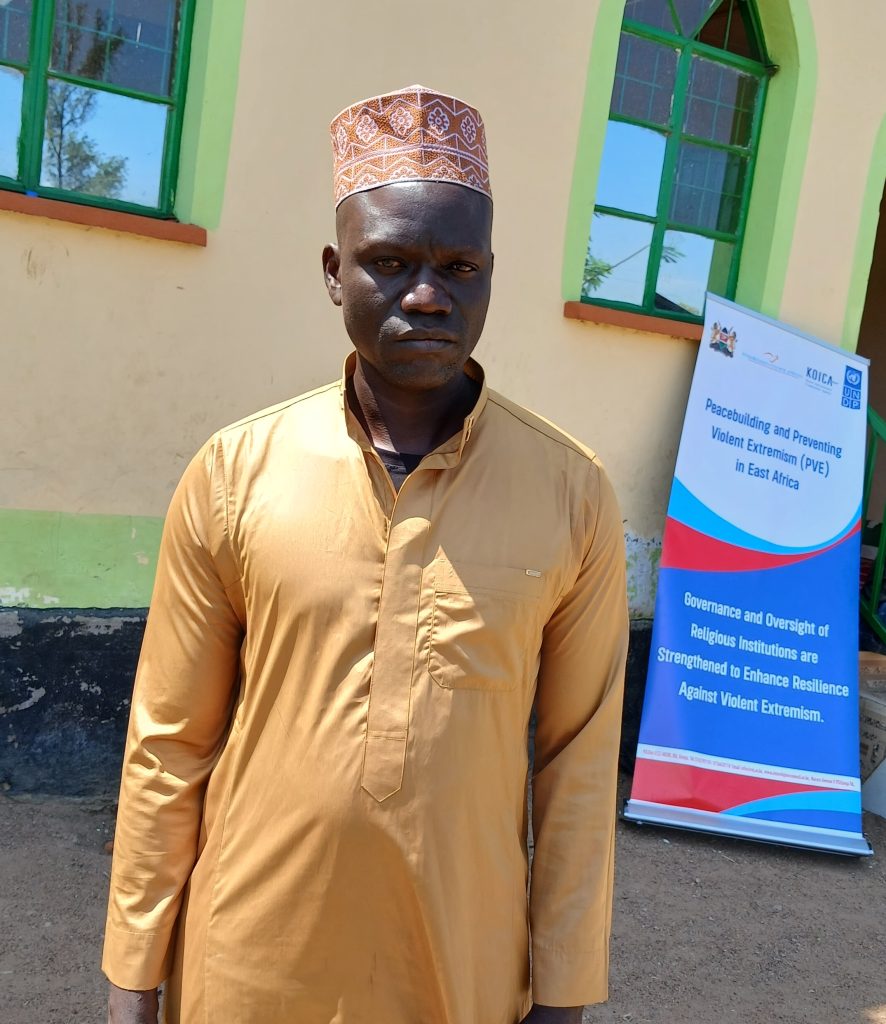
Arrow called for sustained youth and women empowerment across the country to dissuade them from criminal activities.