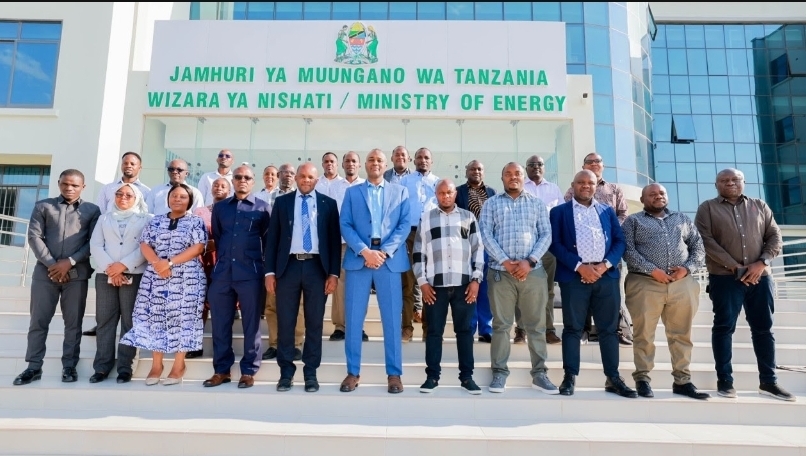
DODOMA, TANZANIA, 18 October 2026 – The African Energy Commission (AFREC), in collaboration with the Ministry of Energy and Mines (MEM), with support from the Kongohuset/Royal House -The Kingdom of Denmark, has conducted a five-day technical assessment and stakeholder consultation exercise to strengthen electricity distribution efficiency and develop targeted measures to reduce grid losses.
Held in Dodoma from 12 to 16 October 2026, the exercise brought together more than 60 engineers and technicians from the Ministry of Energy, Tanzania Electric Supply Company Limited ( TANESCO ), the Energy and Water Utilities Regulatory Authority (EWURA), and POWERHUT, alongside AFREC Technical experts. The participants collected technical and operational data to inform the development of practical, investment-ready action plans for reducing electricity distribution losses.
The assessment forms part of the Efficiency First: Powering Africa’s Sustainable Development Initiative (2024–2028) Project, implemented by AFREC with support from the Royal Kingdom of Denmark. The component involves working directly with power utilities to assess electricity distribution losses, identify priority interventions and develop actionable reduction plans, while strengthening national technical capacity to sustain these efforts.
The AFREC Executive Director, Mr Rashid Abdallah, underscored the importance of reducing electricity losses to improve the performance, financial sustainability and reliability of Africa’s power systems.
Every unit of electricity lost is a missed opportunity to power a home or hospital, support a business or drive economic growth. Reducing distribution losses is therefore not merely a technical priority; it is an economic and development imperative. By helping countries identify and address these losses, AFREC is supporting more efficient use of existing infrastructure and strengthening the delivery of electricity services.”
“Every unit of electricity lost is a missed opportunity to power a home or hospital, support a business or drive economic growth. Reducing distribution losses is therefore not merely a technical priority; it is an economic and development imperative. By helping countries identify and address these losses, AFREC is supporting more efficient use of existing infrastructure and strengthening the delivery of electricity services.”
Mr Abdallah said this in a speech read on his behalf by Eng Nickson Bukachi, the AFREC Senior Policy Officer for Energy Efficiency and Renewable Energy.
Representing the Minister responsible for Energy, Eng Christopher Bitesigirwe, Assistant Commissioner for Electricity, reaffirmed the Tanzanian Government’s commitment to energy efficiency as a cornerstone of national energy security and sustainable economic growth.
“Guided by the National Energy Efficiency Strategy (2024–2034), the Government is advancing key initiatives, including Minimum Energy Performance Standards (MEPS), electricity distribution loss reduction and strengthened energy management practices. These efforts reflect Tanzania’s commitment to maximising the value of its energy resources, reducing costs and supporting sustainable development,” he said
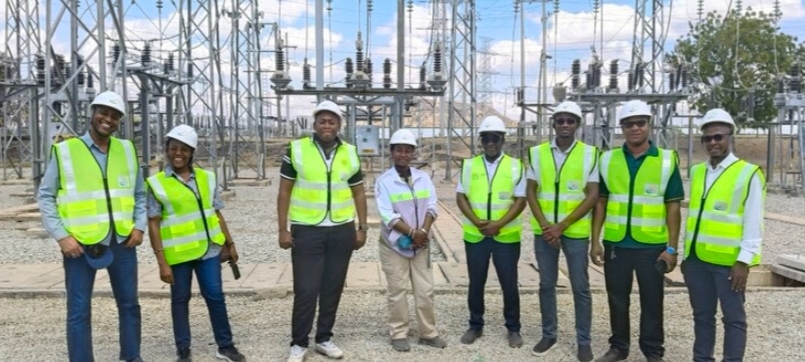
TANESCO Manager for Distribution, Eng. Christopher Mbwiga, highlighted the progress made in reducing electricity grid losses, stating that the assessment would support the utility’s ambition to bring transmission and distribution losses down to single-digit levels.
Tanzania’s efforts align with the African Union’s African Energy Efficiency Strategy and Action Plan (AfEES), adopted in 2025, which provides a continental framework for improving energy productivity and accelerating energy efficiency across Member States. The strategy targets a 12% improvement in Africa’s energy productivity by 2030, 50% by 2050 and 70% by 2063.
The Dodoma exercise builds on AFREC’s ongoing work in Malawi, where the Commission conducted a similar technical mission in August 2026 in collaboration with national energy institutions and utilities.
In Malawi, AFREC worked with the Ministry of Energy-Malawi, the Electricity Supply Corporation of Malawi (ESCOM), the Malawi Energy Regulation Authority (MERA), the Mulanje Electricity Generation Agency (MEGA) and Sitolo Mini-Grids to strengthen the capacity of local professionals to assess distribution losses and develop targeted reduction plans. The initiative supports Malawi’s ambition to reduce electricity distribution losses from 20.3% to 15.8%.
The Malawi mission combined field inspections, operational data collection and practical training. Participants visited ESCOM’s network operations and control facilities, distribution infrastructure and customer installations to examine electricity flows, network performance and metering arrangements.
The Team also visited the Bondo micro-hydropower min-grid operated by the Mulanje Electricity Generation Agency (MEGA), demonstrating how distribution loss assessment can strengthen decentralised electricity systems and improve efficient electricity delivery to rural communities and public services, including facilities such as the Bondo Health Centre.
Both country missions apply AFREC’s Handbook for Determination of Distribution Grid Losses and Development of Action Plans, which provides African Union (AU) Member States with a standardised methodology for assessing grid losses and translating findings into practical reduction measures and action plans. More than 60 African energy professionals were trained on the handbook earlier this year in Lusaka, Zambia.
AFREC will continue working with AU Member States, regional institutions, development partners and the private sector to accelerate energy efficiency across Africa.
By helping countries reduce electricity losses and maximise the value of existing infrastructure, the Commission aims to strengthen utility performance, improve electricity service delivery and advance the continent’s sustainable energy development objectives. (AFREC)