KISUMU, Sept 2026 -Kisumu Governor Prof. Anyang’ Nyong’ o has voiced concerns that nearly a quarter of a million Kenyans suffer from blindness, yet the country has only one ophthalmologist for every 450,000 people, with most specialists concentrated in urban areas while 70% of the population resides in rural regions.
He mentioned that, according to the Ministry of Health, 0. 7% of Kenyans are blind, with cataracts alone responsible for 43% of all blindness cases.
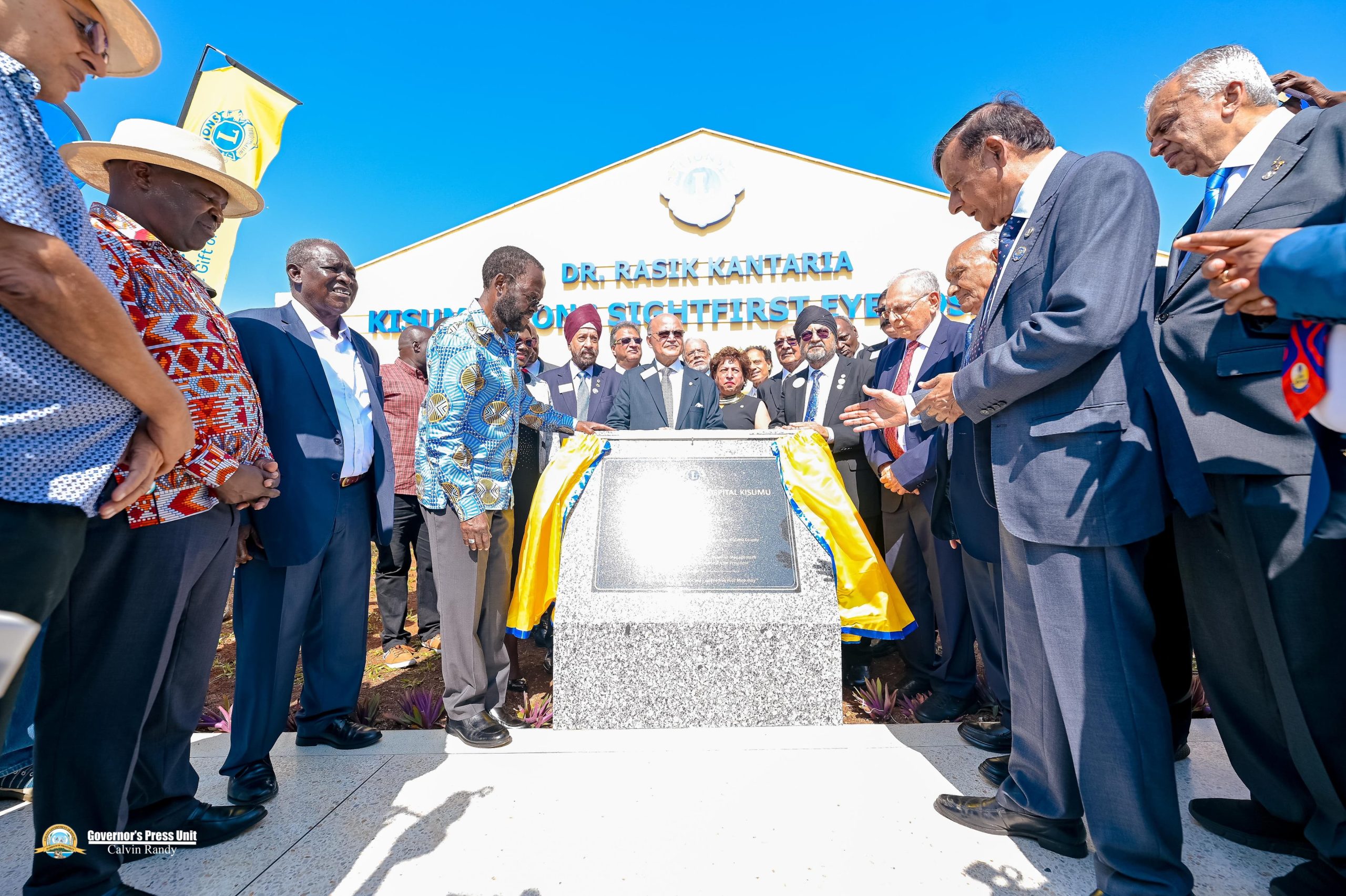
Speaking on Friday during the commissioning of the Dr Rasik Kantaria Kisumu Lions SightFirst Eye Hospital in Kisumu, Prof Nyong’ o described the facility as a landmark investment that will restore sight and renew hope for thousands of residents across Kisumu and the wider Western Kenya region.
“The fight against avoidable blindness has become a global mission. More than 1, 400 projects have been implemented in 118 countries and millions of cataract surgeries performed,” he said.
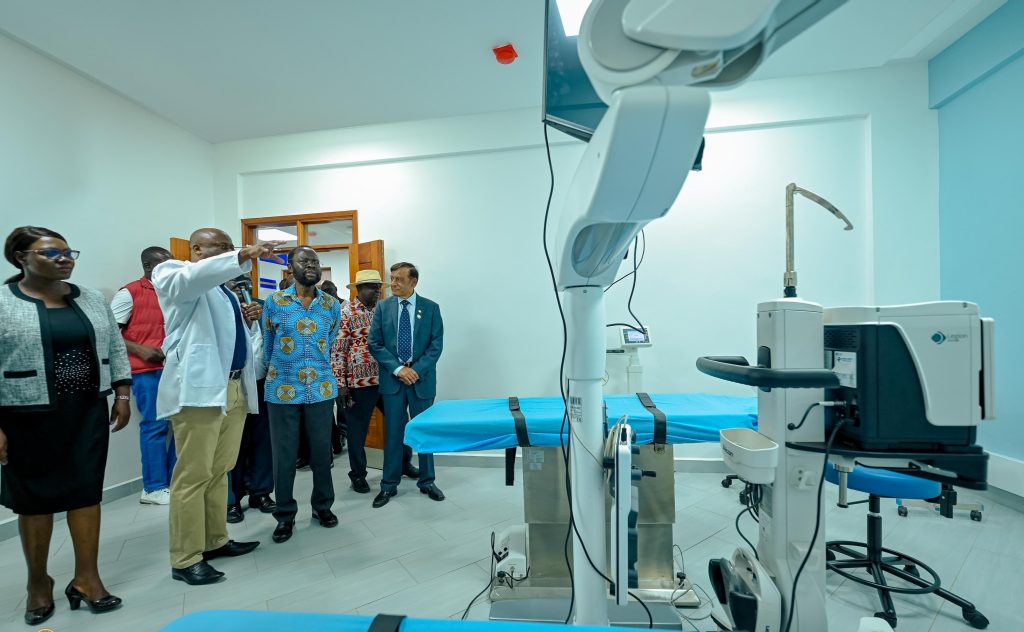
The newly commissioned hospital provides optical and general eye- care services, including specialised consultations and surgical procedures, making it one of the largest and most comprehensive eye- care facilities in this part of Africa.
The Governor thanked Lions International for their transformative investment in the health and well- being of the people.
“This is a powerful demonstration of what can be achieved when good governance creates an environment that fosters confidence, attracts investment, and unites government and development partners in service of our people,” he said.
The founder and Chair of the Board of Trustees of Uzima University, Archbishop Zaccheus Okoth, stated that the hospital was a dream realised through a shared vision and nurtured through years of trust, commitment, sacrifice, and perseverance.
“This achievement represents the realisation of a partnership initiated in 2015 between Uzima University and Lions Club International District 411 to establish a teaching and referral eye hospital serving the people of Kenya and the broader East African region,” Archbishop Okoth expressed.
He pointed out that the goal was never merely to build a structure but to create a legacy.
“Where future ophthalmologists will be trained, where nurses, clinical officers, optometrists, researchers, and specialists will acquire knowledge and skills, where innovation and research will thrive, and where the people of the region will access quality and affordable eye care close to home,” he added.