NAIROBI, 16th Sept 2026 – Climate-vulnerable countries are spending nearly 25 times more on debt repayments than on climate action, with debt servicing absorbing 65% of their combined government revenue, a new ActionAid report has revealed.
According to ActionAid’s new flagship report, Debt Fuels the Climate Crisis: How the Finance Flows, released today, the Global South is paying approximately 225 times more in debt repayments than it receives in grant-based climate finance – US$8.8 trillion in repayments in 2026 compared to just US$39 billion in climate grants in 2024.
The report, which analyses public revenues, debt repayments, national budgets and climate plans across the 65 most climate-vulnerable countries, finds that 93.5% of the most vulnerable countries are in, or at significant risk of, debt distress.
It notes that debt cancellation in climate-vulnerable countries could fund their basic, unconditional national climate plans six times over, or cover current climate, health, education and social-protection spending combined, twice over.
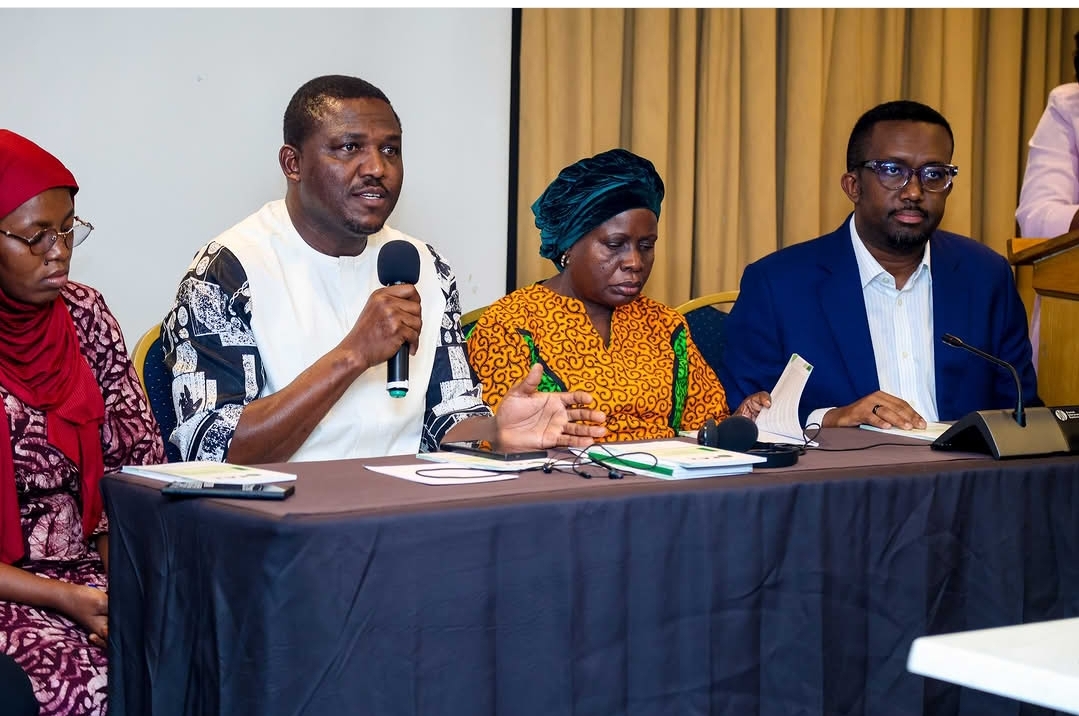
Arthur Larok, Secretary-General of ActionAid International, said debt and climate crises have for too long been treated separately.
“For too long, the debt and climate crises have been treated separately. This research exposes how tightly they are connected and quantifies the devastating cost involved. Yet this is a crisis we can fix. Action on debt can unlock countries’ own resources on a scale that few other climate measures can match,” Larok said.
The report identifies a vicious cycle where climate disasters force countries to take new loans to recover, while debt repayments and austerity squeeze investment in resilience, essential public services and a just transition.
To earn foreign currency demanded by lenders, governments also face pressure to expand fossil fuel extraction and industrial agriculture, driving more emissions and climate disasters.
The report further reveals that two-thirds of what rich countries label as climate finance arrives as loans rather than grants, much of it at high commercial interest rates.
Teresa Anderson, Global Lead on Climate Justice at ActionAid International and one of the report’s authors, said debt is a triple threat to climate action.
“Debt is a triple whammy for the climate: it drives fossil fuel and industrial agriculture expansion, blocks vital climate action, and leaves communities dangerously exposed when disasters strike. Countries borrow to rebuild, austerity weakens their resilience, and repayment pressures push more extraction, fuelling the next disaster,” Anderson said.
The report gives the example of Senegal, where debt servicing in 2026 is more than 600 times the country’s budgeted spending on climate action and exceeds 96% of government revenue, delaying investment in agroecology.
“In Senegal, the red flags could not be clearer. For every US$1 allocated to climate action, the country is spending US$605 on debt servicing. Behind these figures are impossible choices between servicing debt and investing in public services and climate resilience,” said Khaita Sylla, Country Director of ActionAid Senegal.
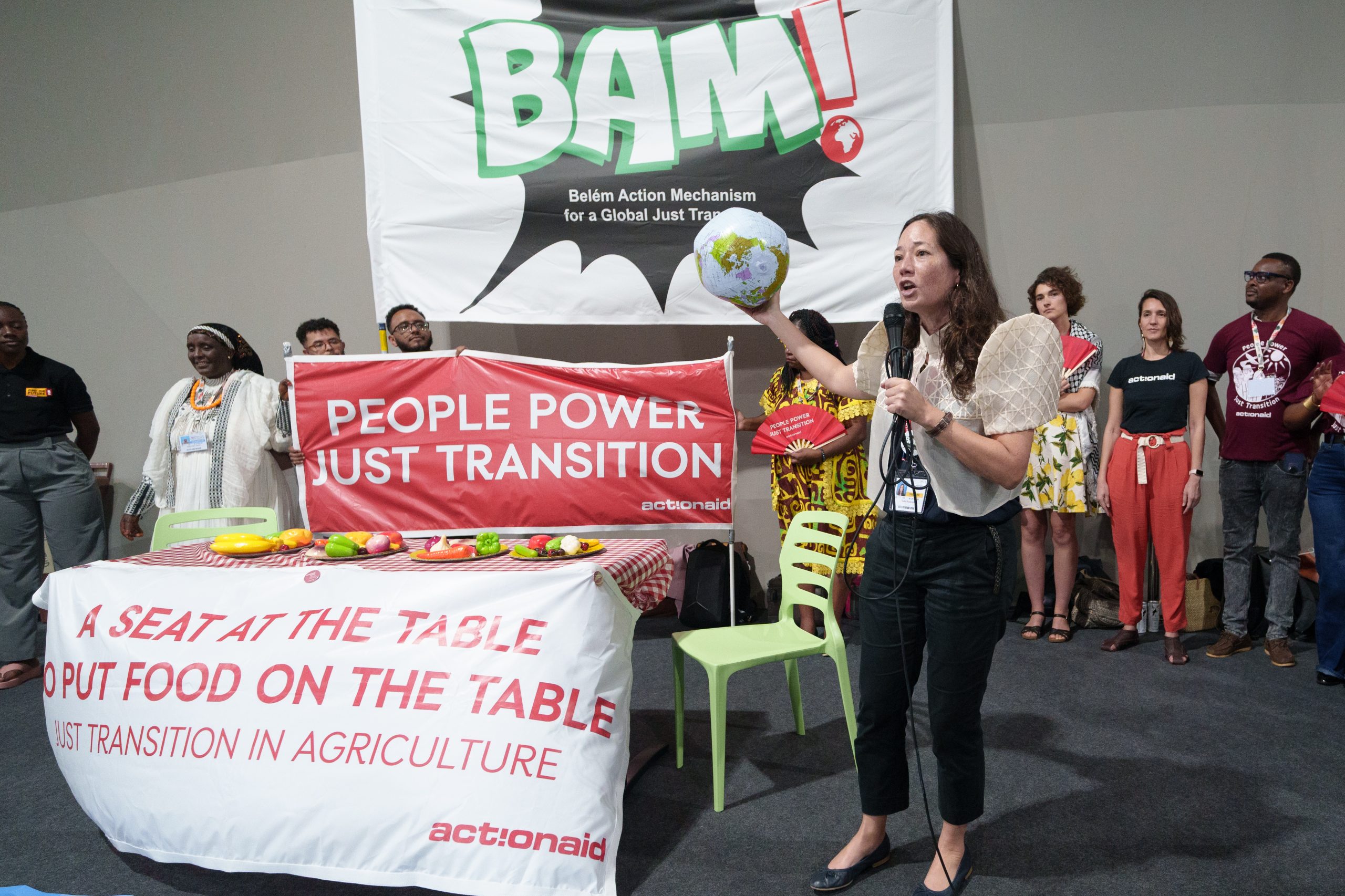
The report is being launched during the Global Week of Climate Action (14–20 September), as part of ActionAid’s #FundOurFuture campaign.
Michael Mwansa, a young climate activist and ActionAid Zambia’s Thematic Lead on Climate Justice, said young people are living with decisions made in distant boardrooms.
“In Zambia, debt is squeezing our national budget while climate shocks threaten livelihoods, energy, agriculture and opportunities. My generation deserves more than a future defined by debt and climate hazards,” Mwansa said.
In the report, ActionAid and its allies are calling for cancellation of unpayable debt for countries spending more than 10% of revenues on external debt repayments, a universal rule to suspend debt payments for any country hit by a climate disaster, and creation of a UN Framework Convention on Sovereign Debt.
Other demands include legislation in London and New York to compel private creditors to take part in restructuring, regulation of Credit Rating Agencies, and delivery of climate finance as grants, not loans.
The organisation is also calling for reform of debt-sustainability assessments to centre climate responses, public services and human rights, and for public debt and climate audits in countries facing debt crises.