
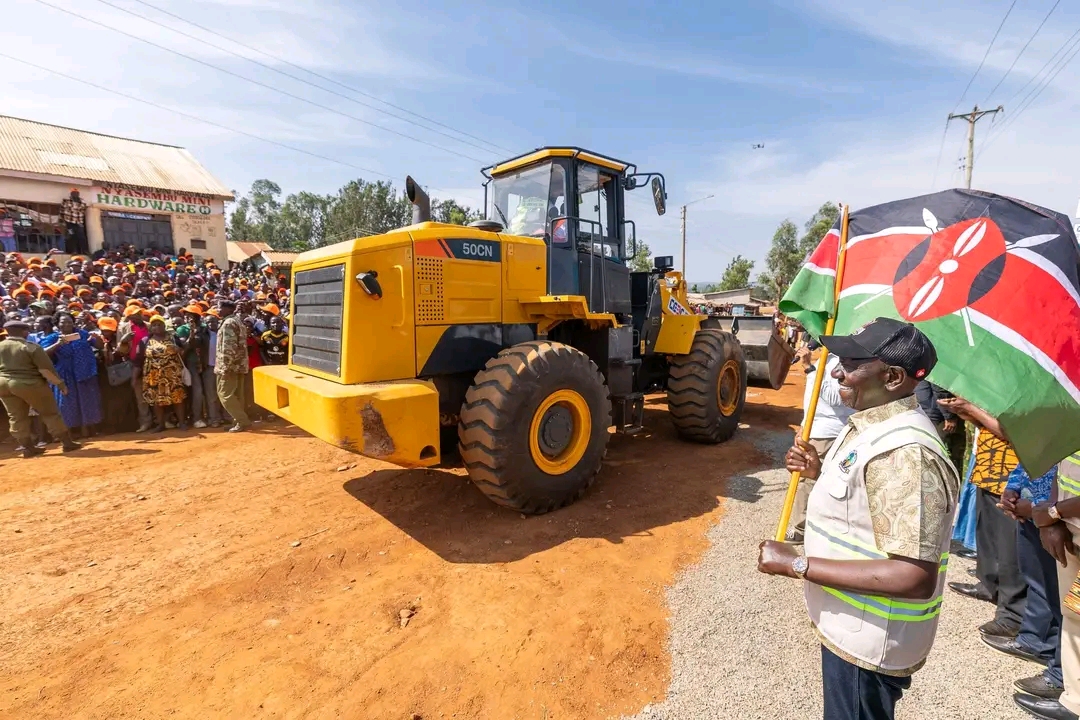
MIGORI, 16th Sept 2026 – President William Ruto has announced a series of multi-billion-shilling development projects aimed at transforming Migori County.
During his third day of a working tour of the Nyanza region, the President stated that his administration has a clear vision and practical plans to stimulate socio-economic growth. He challenged other leaders aspiring to the country’s top position to present similar initiatives.
President Ruto highlighted key projects, including roads such as the launch of the Sh 2.11 billion 32km Posta-Nyikendo-St Philippa-Nyarongi-Macalder-Osiri road in Suna East, the Sh 2.25 billion 32km Kanyawanga-Kwoyo-Madiaba-Dede-Odongo Oher-Rapogi-Awendo road, and an inspection of the ongoing Sh 1.63 billion 20km Stella-Sibuoche-Gogo Falls road.
“The road budget for Migori has increased from less than Sh 2 billion before 2022 to Sh 19 billion currently, with 320km of new roads under construction,” he said.
Dr Ruto also announced Sh 124 million for the reconstruction of Migori Bridge, plans to ease congestion through the rebuilding of Migori Bypass, tarmacking 5km of roads within Migori town, and the first phase of the Nyarobiro-Kombe-Masaba-Nyangubo-Getonganya-Ikerege-Taranganya road in Kuria West.
In a concerted effort to improve last-mile connectivity, the President commissioned the Sh 1.4 billion, 28 km 132 kV Awendo-Masaba Transmission Line and the 132/33 kV Masaba Sub-Station in Kuria West. These projects have stabilised power supply in key areas such as Kehancha, Migori, Isebania, Sony Sugar Factory, Getonganya Sweet Potatoes Factory, Migori County Referral Hospital, and the Isebania One-Stop Border Post.
He stated that 82,000 households have gained electricity access in the past three years, reaching 82% coverage. Additionally, Sh 2.3 billion has been allocated for this financial year to connect a further 21,000 homes. Between 2023 and 2027, the government aims to connect 100,000 homes in the county through the Last Mile Connectivity and Rural Electrification programmes.
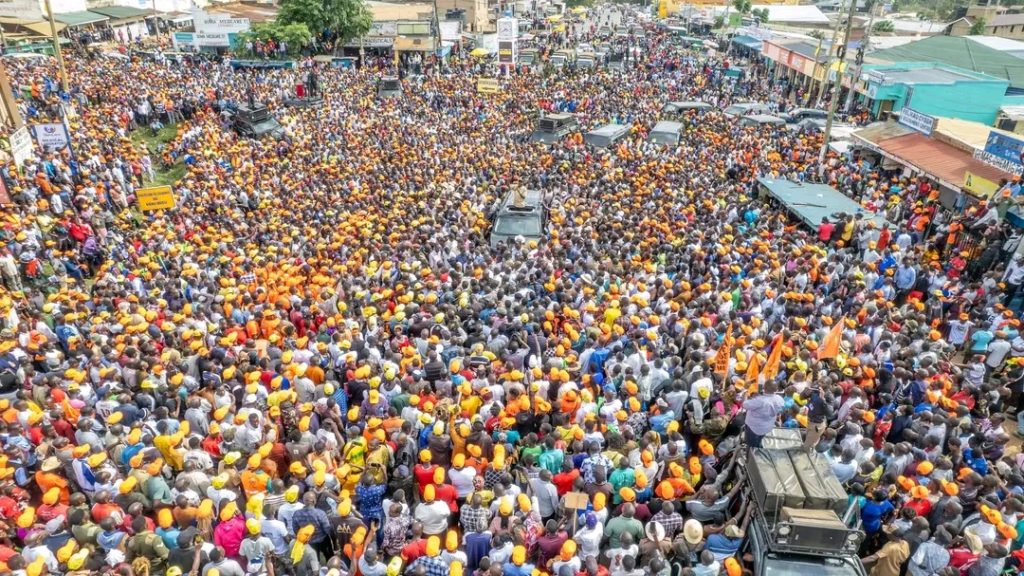
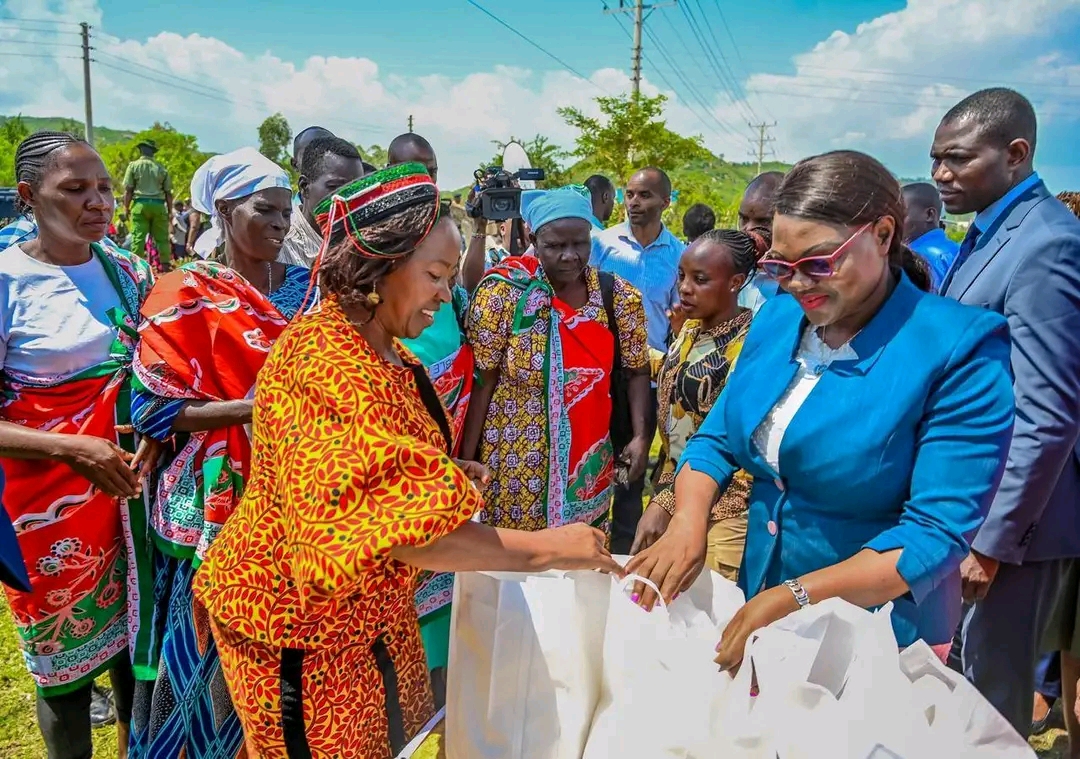
The President also announced an investment of Sh 700 million in water and sewerage projects for Migori town to increase access to clean water, alongside Sh 28 billion under the Affordable Housing Programme for 8,000 housing units, 19 modern markets, and student hostels with an 8,000-bed capacity.
Ruto was accompanied by Governor Ochillo Ayacko, Interior Security PS Dr Raymond Omollo, among several other regional leaders.
In the sugar sector, President Ruto stated that Migori, as a major sugar-producing county, has benefited from sector reforms, including the revival of Sony Sugar Company, which has ensured timely payments to farmers and workers. He added that sugarcane farmers in the county will receive a bonus for the first time next month.
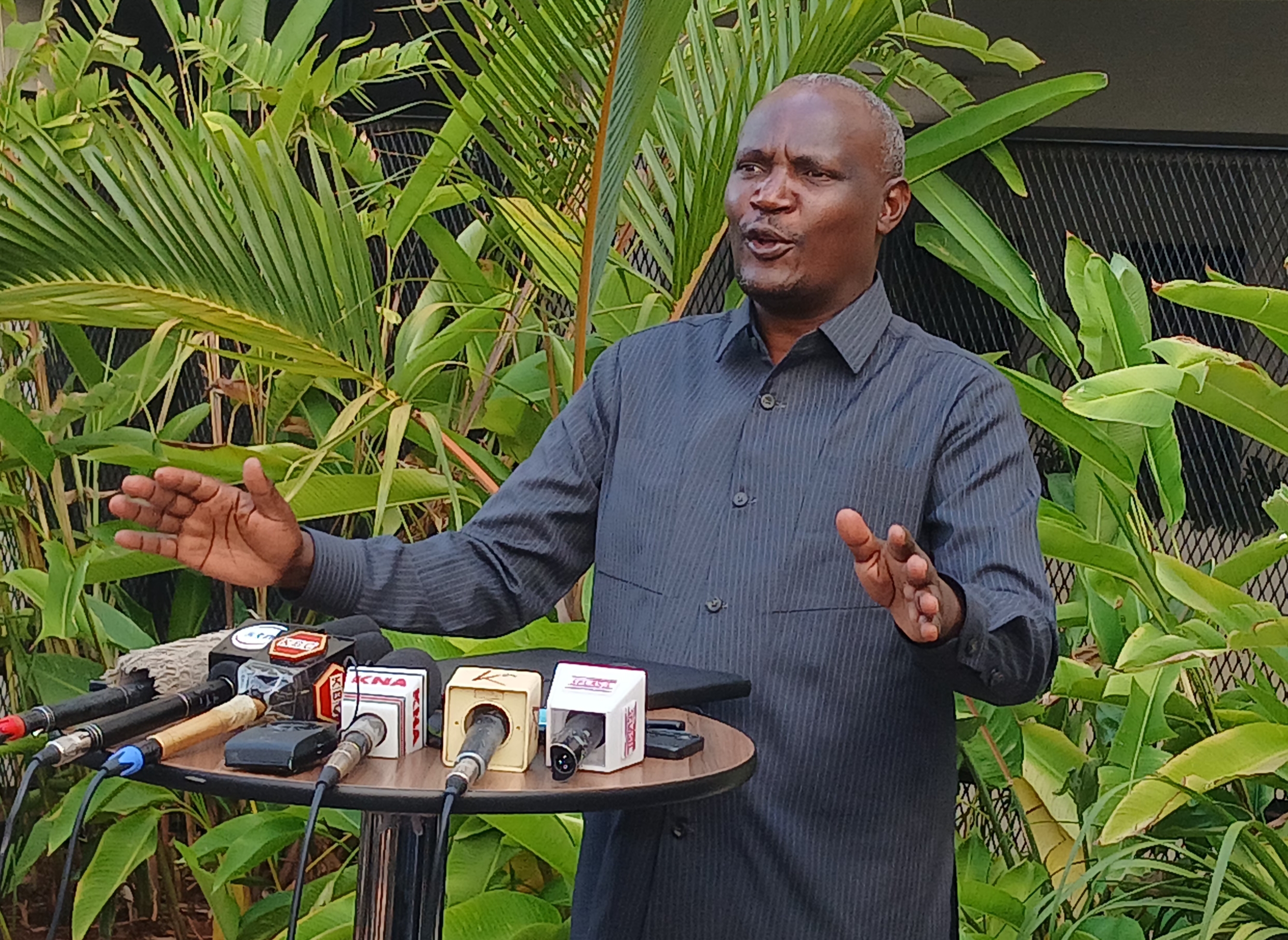
Note: This is a detailed, long read examining pork-barrel politics, Kenya’s public finance frameworks, and budget allocations.
What you are seeing in Migori and during President Ruto’s entire visit to the Luo Nyanza Region is called pork-barrel politics.
Pork-barrel politics refers to the practice of politicians using public funds and localized government-funded projects—like roads, bridges, and water systems—to win votes or reward political support in specific electoral regions.
When a sitting leader promises billions of shillings in localized developments during political campaign tours, it represents classic pork-barreling. While the narrative presents radical socio-economic transformation for Migori County, a closer look at Kenya’s fiscal reality reveals these declarations as political rhetoric rather than budgeted, executable development.
Key Factual Questions: Debunking the Promises
Where is this money in the Printed Estimates?
The Reality: Under Article 221 of the Constitution, every spending commitment must be backed by the Annual National Budget approved by Parliament. The Estimates of Development Expenditure published by the National Treasury show that the State Department for Roads faces significant budget cuts and national pending bills exceeding hundreds of billions of shillings. Are these multi-billion-shilling roads (eg, KSh 2.11B Posta-Macalder, KSh 2.25B Kanyawanga-Awendo, KSh 1.63B Stella-Gogo Falls) explicitly itemized in the FY 2025/2026 Medium Term Expenditure Framework (MTEF), or are they unapproved verbal pronouncements?
How will projects be funded amid dismal development absorption rates?
The Fiscal Facts: Reports from the Office of the Controller of Budget (COB) consistently highlight that national development expenditure realization lags behind targets. Historically, low exchequer releases resulted in actual development spending falling far short of printed budgets. When overall exchequer funds are constrained by heavy debt-servicing obligations (consuming over 60% of ordinary revenue), where is the additional liquidity coming from to instantly fund a KSh 19 billion road budget for a single county?
What is the funding source for the KSh 28 billion Affordable Housing and Hostels promise?
The Fiscal Facts: A KSh 28 billion commitment exceeds the entire annual development allocation for many individual government ministries. Given that off-budget financing relies heavily on private investors or targeted levies, has the Treasury issued formal guarantees or approved procurement frameworks for these 8,000 housing units and hostels in Migori?
Why are stalled projects ignored while launching new ones?
Audit Reality: Reports from the Office of the Auditor General (OAG) regularly cite hundreds of stalled road, water, and infrastructure projects across counties due to non-payment of contractors. Launching new multi-billion projects while contractors on existing local projects remain unpaid leads to contract variations, penalties, and non-completion.
Why These Promises Are “White Elephants”
The Budgeting Process vs. Roadside Declarations: Executive pronouncements made on political podiums do not constitute legally binding budget allocations. Unless projects pass through Sector Working Groups, Parliamentary Appropriation Bills, and detailed procurement plans, they remain unfunded political wish lists.
Fiscal Distress and Pending Bills: Kenya’s fiscal space is tightly constrained by national debt servicing and structural austerity targets. With contractors already threatening site abandonments across the country over unpaid pending bills, adding dozens of new multi-billion-shilling commitments without revenue-raising measures guarantees that these projects will either stall at groundbreaking or never start.
The “Calculated Illusion” Strategy: Promising massive investments (like a KSh 28 billion housing scheme, KSh 2.3 billion electricity rollout, and KSh 700 million water projects simultaneously) serves a purely psychological campaign purpose: to create an illusion of immediate windfall in exchange for political patronage.
Vote Wisely
Kenyans must separate political optics from verifiable fiscal plans. Roadside launches without corresponding budgetary allocations in the National Treasury’s Printed Estimates and Controller of Budget Implementation Reports are empty campaign tools designed to buy political leverage.
Before casting a vote based on promised billions, citizens should demand to see current line-item appropriations, tender awards backed by cleared funds, and verified contractor progress rather than political promises.