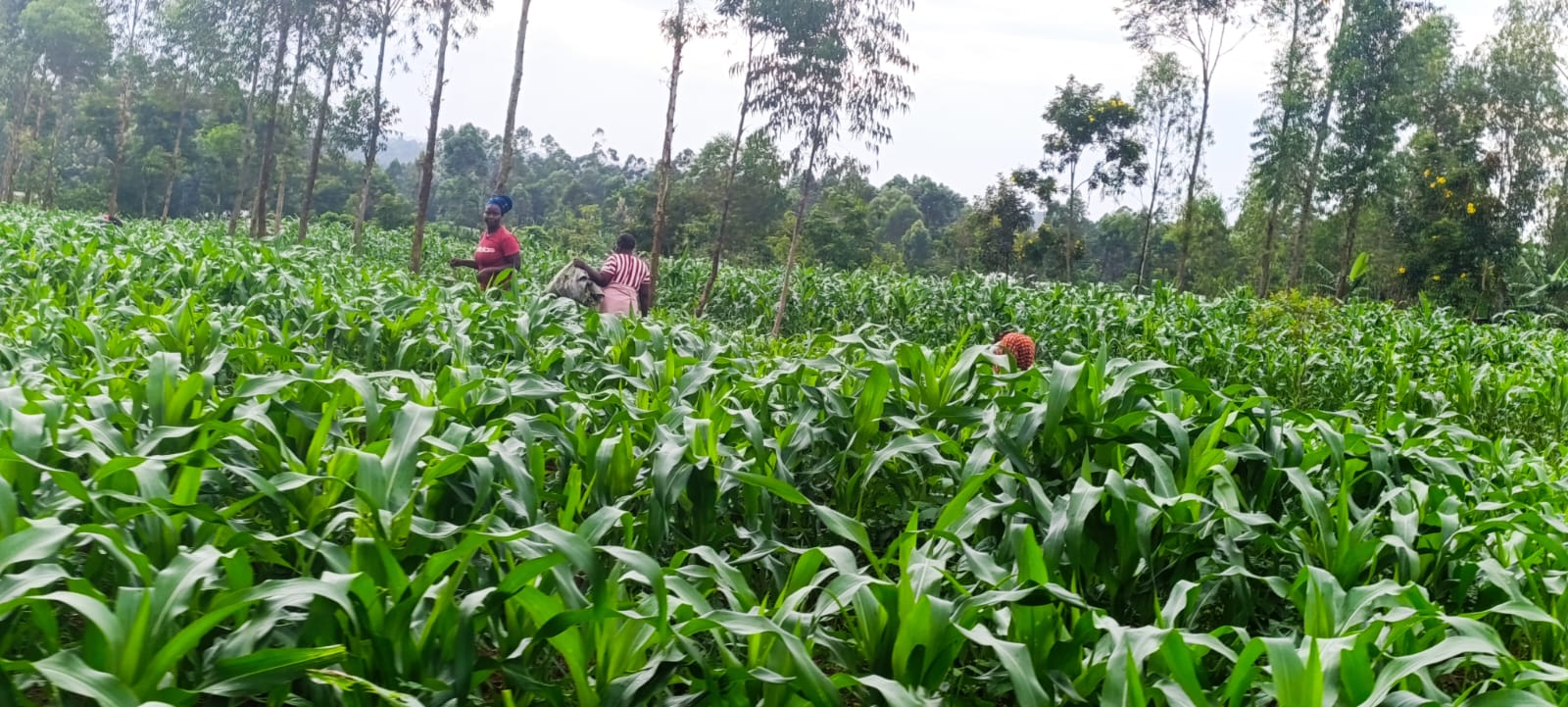
BUSIA, Sept 2026 – Schools in Busia County are encouraged to adopt agroecology and indigenous seed conservation to promote food security, environmental conservation, and practical agricultural learning among learners.
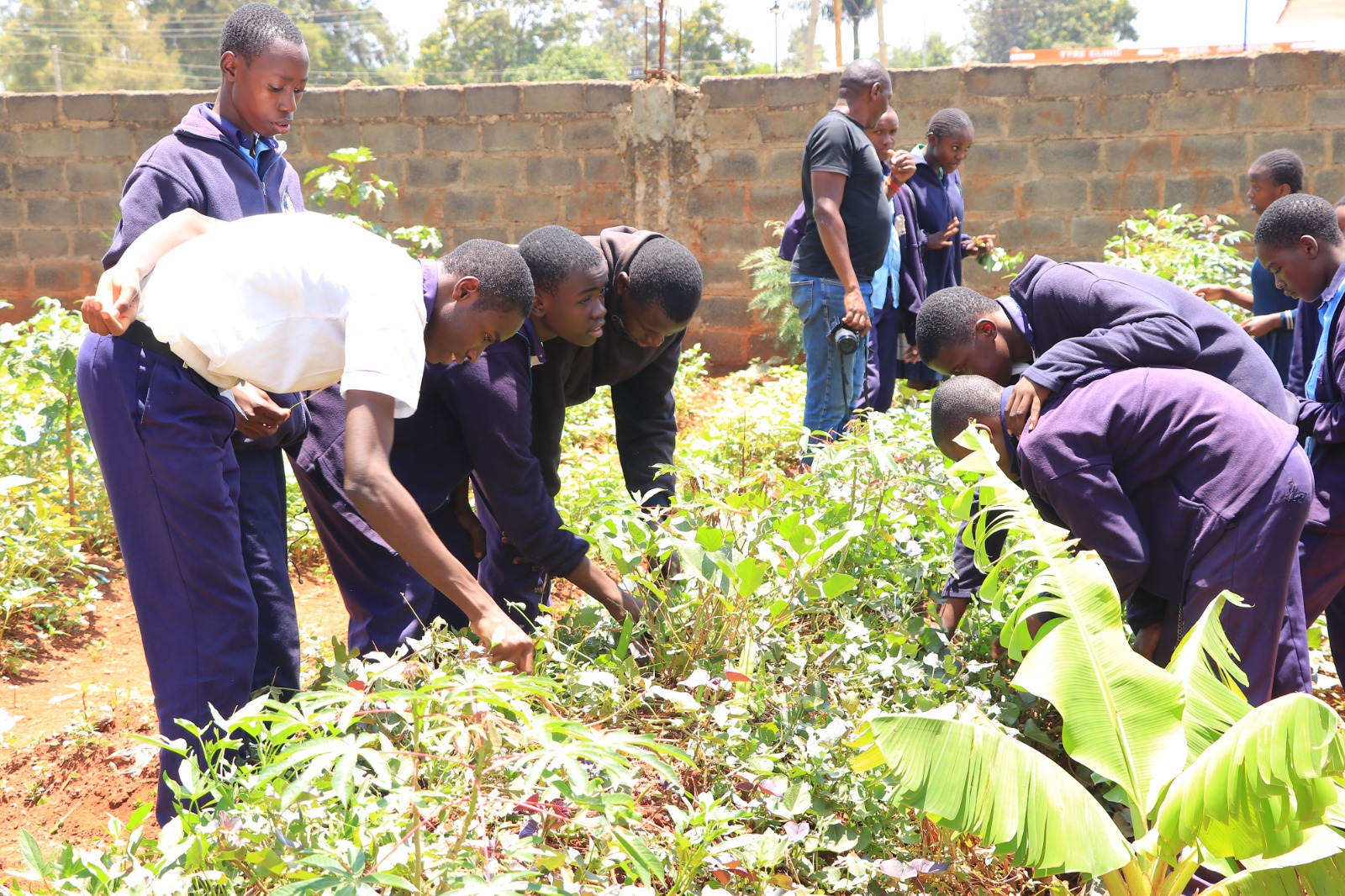
The initiative, supported by SCOPE Kenya, encourages schools to establish gardens, conserve local seeds, and use environmentally friendly farming methods to produce food while exposing learners to practical agriculture.
Sister Antonina Makokha, a headteacher, said the school works closely with SCOPE Kenya to integrate agriculture into learning.
“We work closely with SCOPE Kenya, whose mission is to nurture schools in agriculture. Through this partnership, we can practise organic farming by planting indigenous seeds, enabling learners to gain practical agricultural skills,” she said.
Instead of using school compounds mainly for ornamental flowers, the school has opted to grow vegetables to help reduce the cost of feeding learners.
“Instead of planting flowers, we opted to plant vegetables to reduce the cost of buying food for learners. It is also supporting the community as a learning centre,” Sister Antonina said.
The approach has also enabled the school to diversify the food served to learners rather than relying on a single vegetable.
Collins Ochieng Otieno, the SCOPE chairperson, said the organisation promotes permaculture, an ecological farming approach that can help schools and communities adapt to climate change.
He said schools are important institutions through which agricultural knowledge can be passed to younger generations and communities.
“Schools are very key institutions in the county, and we can use them to transform our communities and change food farming approaches,” Otieno said.
He added that agroecology provides an opportunity to teach children how to respond to climate change while changing their attitudes towards farming.
According to Otieno, the organisation is also promoting seed conservation and seed banking because access to affordable and locally adapted seeds remains important for food security.
“Food security begins with food, so we are promoting conservation of our local seeds so that farmers can conserve seed for subsequent seasons. Seeds are expensive right now, and when farmers conserve their own seeds, it will be easier for them to plant in subsequent seasons,” he said.
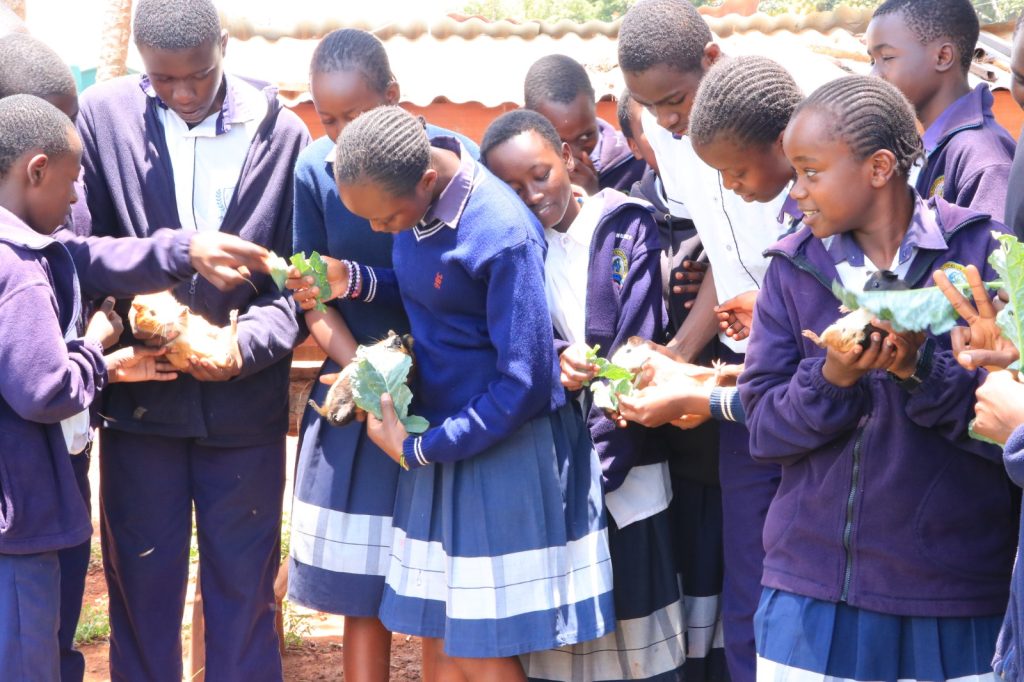
To enhance food security, the schools have also benefited from integrating different crops rather than relying on monocropping.
Otieno said the approach has helped improve soil and water management while making use of organic waste to produce manure.
“We have benefited from agroecology because we can integrate our farms and no longer plant only one crop. We have also managed to control runoff, use indigenous seeds and manage waste, which is used to make organic manure,” he said.
The initiative has also helped schools supplement meals provided to learners.
“We no longer feed them with sukuma wiki (kales) alone,” Otieno said, adding that crop diversification was helping schools introduce a wider range of foods.
He further added that the initiative was also revealing that some indigenous seeds had disappeared from communities, making conservation increasingly important.
“We are trying to bring back the traditional seeds. At this fair, I have noted that there are some local seeds that no longer exist because they have disappeared,” he said.
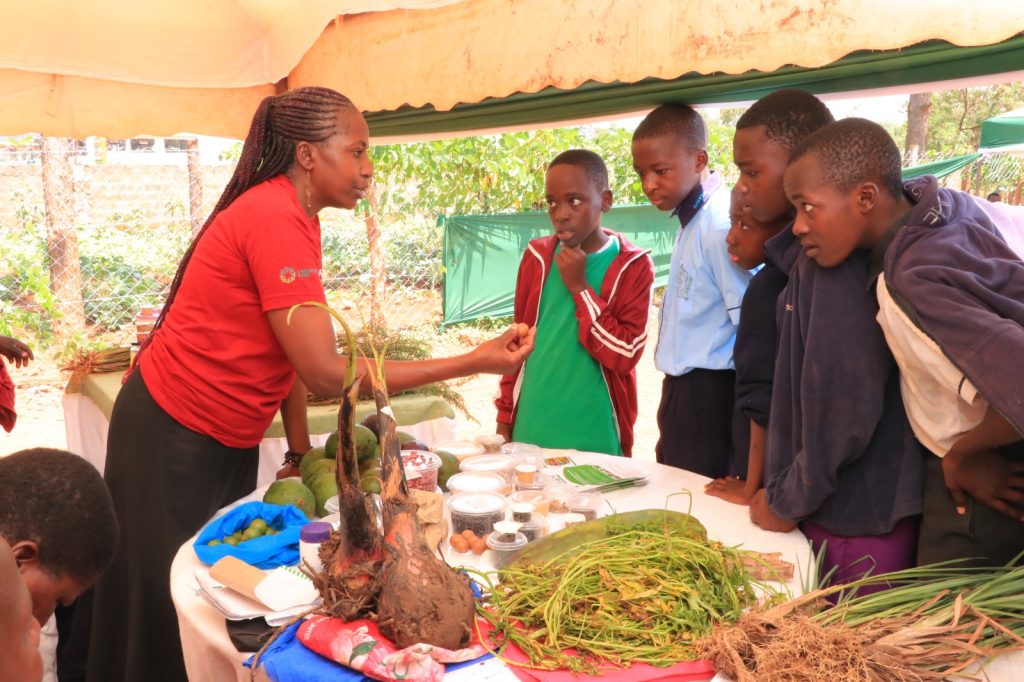
Monica Wamboi, who is a representative from SCOPE Kenya, described the activity as a learning opportunity where farmers could exchange seeds and share knowledge on how to conserve them.
She emphasised that supporting schools to grow their own food could contribute to better nutrition, environmental conservation and community food sovereignty.
“The seed exchange activities also provide farmers with an opportunity to learn how to preserve indigenous varieties for future planting seasons.”
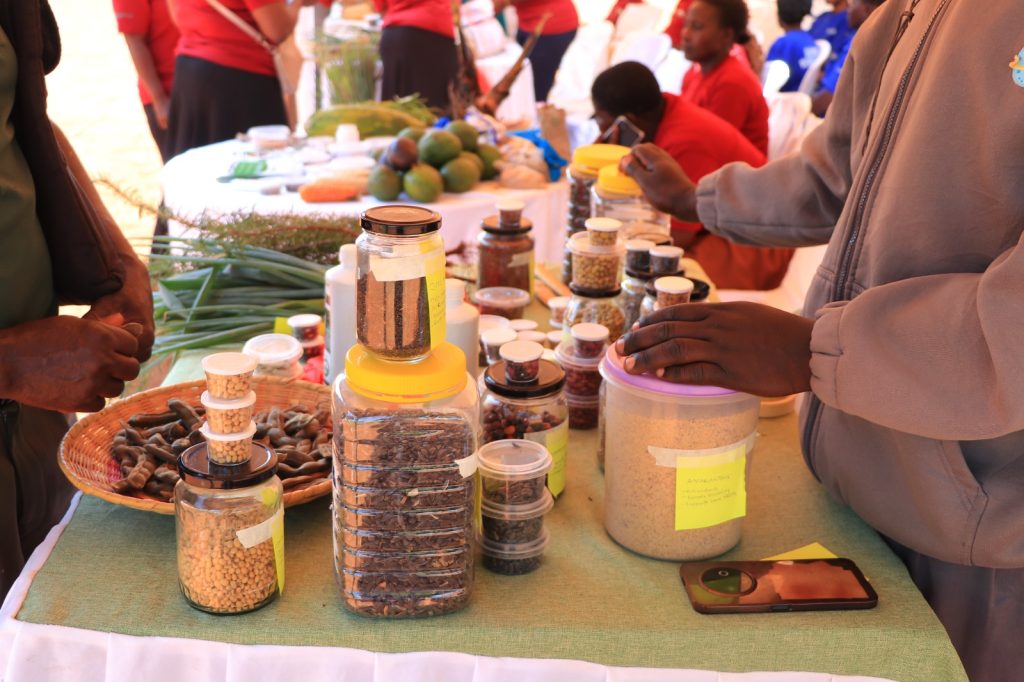
According to Grace Chepkorir, who is one of the farmers who showcased some indigenous seed varieties, said the initiative was primarily focused on conserving local seeds to prevent their loss.
The organisers said strengthening indigenous seed conservation could help communities maintain locally adapted crops while reducing dependence on commercially purchased seeds.
The overarching goal of the initiative through school gardens, seed banking, organic manure production and crop diversification is to make schools practical centres for promoting sustainable agriculture and passing indigenous agricultural knowledge to younger generations.