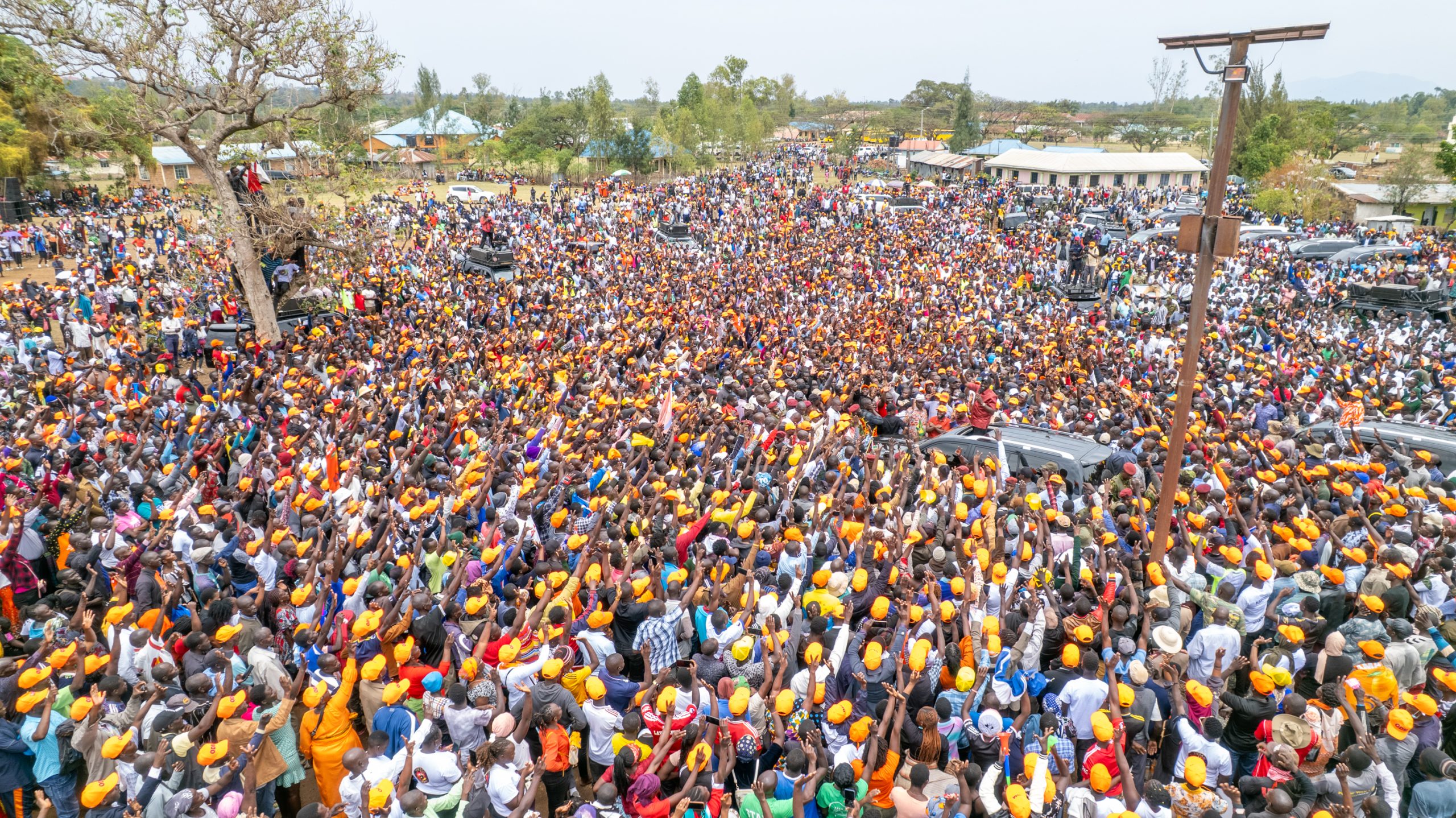
KISUMU, 8th Nov.2026 – Kenya’s economy stands at a critical crossroads. The country’s Gross Domestic Product (GDP) is growing at 5 percent or oscillating between 5 and 5.4 percent. Good.
Yet this growth hides some structural weakness. Our national wealth relies far too heavily on raw agricultural production.
Agriculture employs more than 60% of the population. This leaves Kenya exposed to unpredictable weather like the currently projected El Nino rains and shifting global markets.
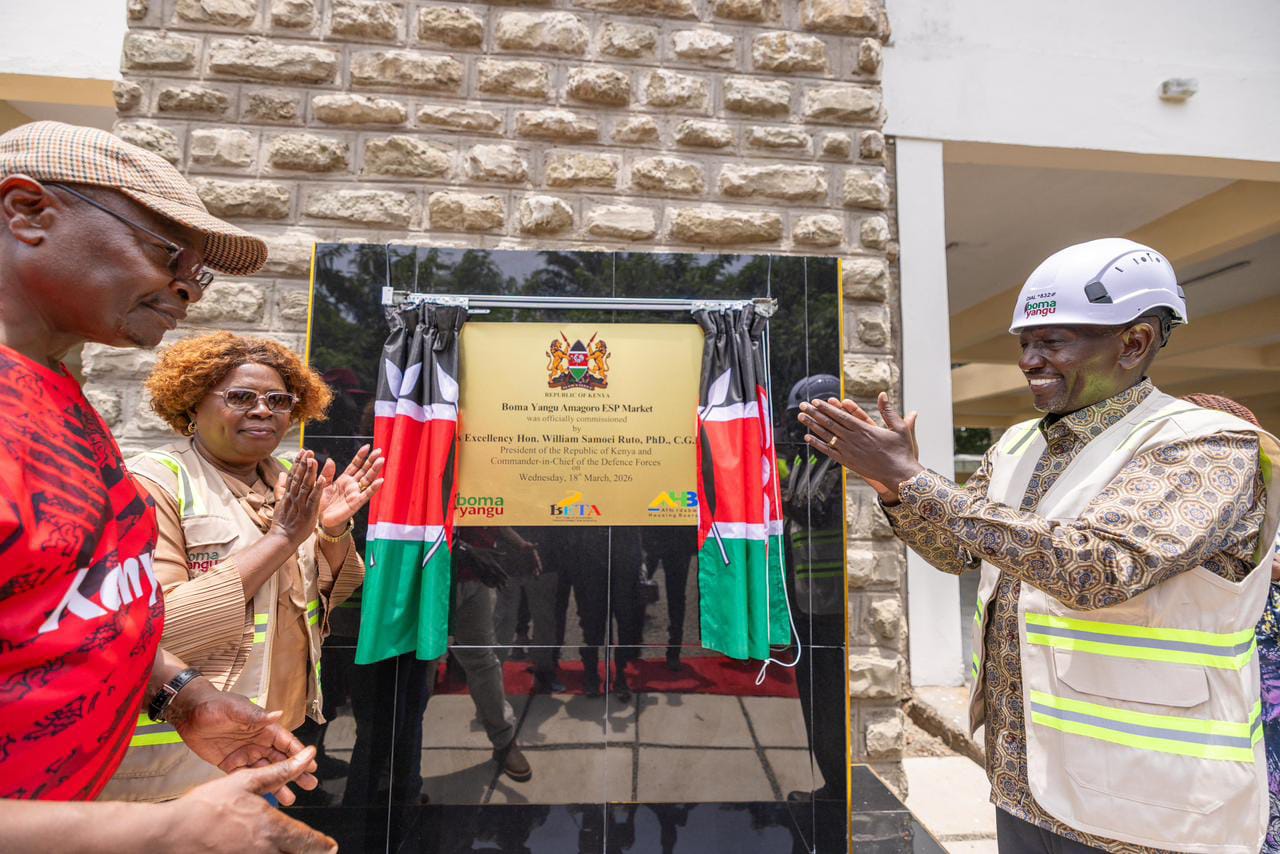
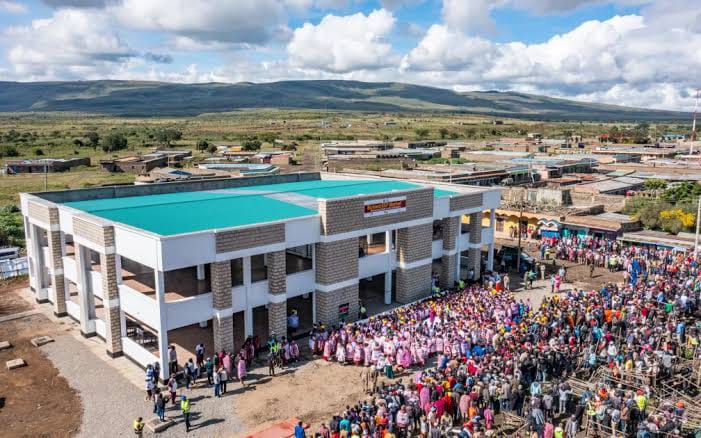
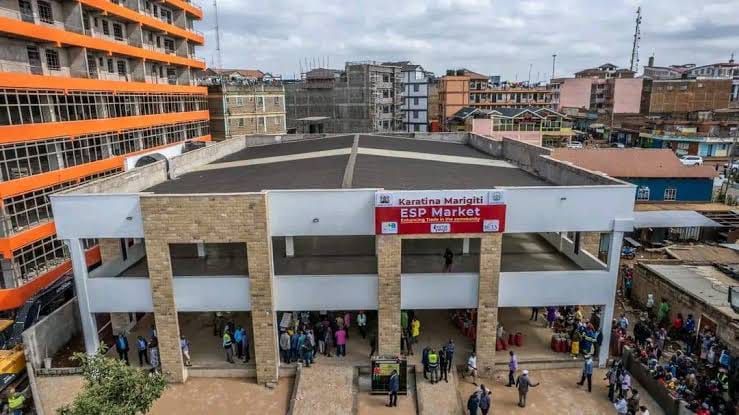
To break this cycle, President William Ruto’s administration is building modern Economic Stimulus Programme (ESP) markets across all 290 constituencies. These over 600 new modern markets are not just buildings. They are tools designed to transform local trade.
Managed by the State Department for Housing and Urban Development, the infrastructure pipeline aims to transition thousands of open-air traders into structured spaces.
Historically, Kenyan farmers lose up to 40% of their harvests before reaching a buyer. The new ESP markets solve this by offering modern cold-storage facilities. This infrastructure preserves fresh produce and protects farmers’ earnings. This is why President Ruto’s administration is not sleeping but keen on building the local fish markets.
This weekend, Interior PS Dr Raymond Omollo disclosed plans to build nine fish land-based landings around Lake Victoria by the government. This aligns with the Singapore model agenda. Very good move by the State.
Furthermore, these physical spaces are linked to the digital economy. The Ministry of ICT initiated this change by installing public Wi-Fi hotspots in the local domestic markets. The aim of these tech hotspots was to allow farmers to check national market prices directly. They can now bypass exploitative brokers and sell directly to consumers via e-commerce.
However, local markets are only the first step. True wealth requires domestic manufacturing and value addition.This explains the government’s push for a robust agro-processing industry and Special Economic Zones (SEZs).
Exporting raw tea and coffee keeps the country trapped in low returns. By processing agricultural goods within SEZs, Kenya keeps the jobs and the profits at home.
This strategy aims to replicate the rapid economic growth of the Asian Tigers. It’s the reason Ruto is flying on the route to Singapore, and now many market analysts and right-thinking Kenyan business elites are flanking him there to explore the economic fortunes. This industrial vision has sparked a rare moment of political unity. In his book The Quest for Nationhood, former opposition leader Raila Odinga noted a painful truth.
In the 1960s, Kenya and Singapore shared a similar economic starting line. Yet Singapore surged ahead through disciplined state planning and export-led growth. Raila wanted to use the Asian Tigers market philosophy model to govern Kenya if he became President.
Odinga concluded that the Singapore model was the correct path for Kenya. Today, senior opposition figures led by his elder brother and ODM de facto party leader Dr Oburu Oginga Odinga openly support this direction as good.
They agree that Ruto’s Bottom-Up Economic Transformation Agenda (BETA) offers the right blueprint, which Dr Ruto has picked up.
Arguably, by combining technology-driven agriculture with industrial zones, Kenya is finally steering toward its own economic miracle. This is the way to go. Excellent.
Why? Because by pacing capital development this way, the state ensures that utilities —specifically access roads, stable electricity grids, water lines, and the ICT hotspot facilities pioneered by the Ministry of ICT— are delivered alongside structural completions.
This is what Kenya needs, and the president, despite criticism from some of his political cohorts, is focused on the ultimate goal. Kenya, aiming to attract large-scale capital into the manufacturing and agro-processing sectors, operates under a revamped regulatory framework via the Special Economic Zones Authority (SEZA).
The Special Economic Zones (Amendment) Act introduces a tiered tax holiday model designed to dramatically lower operating costs, such as Corporate Income Tax (CIT) Holidays: Certified SEZ enterprises bypass the standard 30% national corporate tax rate.
Instead, they pay a heavily discounted 10% CIT for their first 10 years of operation, which adjusts to 15% for the subsequent decade before returning to the standard rate after year 20.
Total Customs Immunity: Any capital machinery, construction materials, equipment, and raw inputs imported directly into a gazetted zone are 100% exempt from Import Duty, Excise Duty, VAT, and the Import Declaration Fee (IDF). This is good for investors as it will attract more foreign direct investment (FDIs) to Kenya.
Domestic Supply Zero-Rating: When an SEZ manufacturer buys raw produce or services from the local Kenyan market outside the zone, those transactions are designated as 0% VAT (zero-rated), reducing supply chain friction.
Withholding Tax Exemption: Dividend payouts distributed by an SEZ entity to both resident and foreign shareholders are completely exempt from withholding tax, allowing investors to pool and reinvest profits freely.
The Minimum Investment Rule: Under the latest legislative updates, major firms looking to secure these extended 10-year operational licenses and customised fiscal shields must pledge a minimum investment threshold of Sh5 billion within the designated period. And now you can see how Kenya has attracted more than a billion dollars in investment as a result.
Today, the government’s targeted policy reforms under the Bottom-Up Economic Transformation Agenda (BETA) have successfully accelerated Foreign Direct Investment (FDI) inflows into Kenya.
Led by structural incentives within gazetted Special Economic Zones (SEZs), the country closed this year with a record-high $3.2 billion in total annual FDI. The most prominent example of this investment surge involves Nigerian industrialist Aliko Dangote, who has committed multi-billion-dollar investments to Kenya’s energy infrastructure.
The Lamu Megaproject: These strategic infrastructure shares align directly with the $16 billion (Sh2.2 trillion) Dangote East Africa Petroleum Refinery in Lamu, Mombasa. Strategically situated within a customised Special Economic Zone, the massive 700,000-barrel-per-day facility broke ground on September 30, 2026, and stands as the single largest private industrial investment in Kenya’s history under President William Ruto’s era.
Other notable FDI expansions include Lake Gas constructing major bulk storage facilities near the coast, alongside multinational textile manufacturers taking up massive footprints within the operational Naivasha SEZ to capitalize on the state’s zero-rated VAT and customs tax immunities.
It is also not lost to us that in October 2026, Dangote acquired a 25% private equity stake in Kenya Pipeline Company for Sh42.5 billion ($327 million) via a block trade of 4.5 billion shares on the Nairobi Securities Exchange (NSE).
Pipeline Network Expansion: Alongside the equity buyout, Dangote pledged an additional $1.5 billion (Sh194.8 billion) in direct capital to expand KPC’s 1,300-kilometre distribution pipeline network linking Mombasa, Nairobi, and neighbouring East African markets.
These strategic infrastructure shares align directly with the $16 billion (Sh2.2 trillion) Dangote East Africa Petroleum Refinery in Lamu County. Strategically situated within a customised Special Economic Zone, the massive 700,000-barrel-per-day facility broke ground on September 30, 2026, and stands as the single largest private industrial investment in Kenya’s history.
These developments affirm and attest to how President William Ruto has mastered the art that politics is part of the superstructure which is conditioned by the economic base and is focused on the bigger prize: criticism trashed or overlooked for the common good of all Kenyans and its global market peers.
Let’s support what’s good for the country that will see us live and realise the economic fortunes and dreams that some of our cherished leaders have seen as good for us. Singapore is the route we need to take a flight to. God bless us, Kenya and our leadership.
The writer is a senior journalist, media consultant and regular advocate for democracy and good governance in Africa. kepher43@gmail.com.