BONDO, 31st Oct 2026 -The national government has announced renewed efforts to strengthen security on Lake Victoria through sustained investment in Coast Guard patrols, modern equipment and enhanced operational capacity, in a move aimed at protecting fishing communities and unlocking the region’s blue economy potential.
Interior Principal Secretary (PS) Dr Raymond Omollo said the government was committed to addressing longstanding security challenges affecting fishermen, traders and other communities that depend on the lake for their livelihoods.
He noted that improved surveillance, regular patrols and adequate equipment would be instrumental in securing fishing grounds, protecting lives and creating a safer environment for economic activities.
“We want to ensure that the challenges our fishermen have endured on these waters for years become a thing of the past. Their safety, security and livelihoods remain a priority for the government,” PS Omollo said.
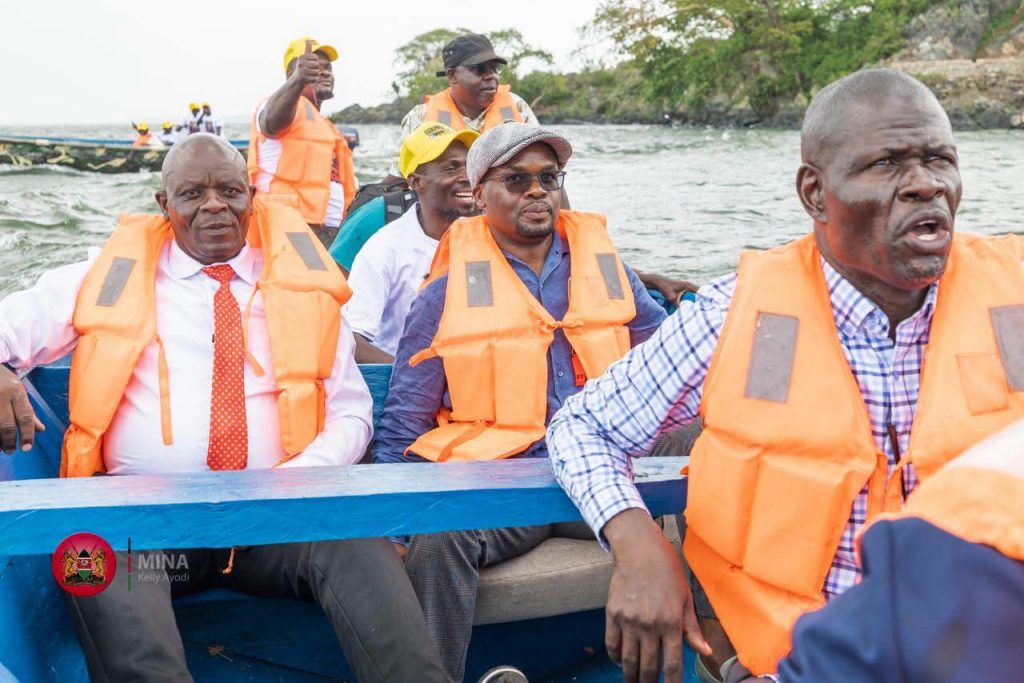
He disclosed that he had scheduled a meeting with the Director General of the Coast Guard Services the following week to deliberate on urgent operational gaps, including staffing, recruitment and the provision of additional equipment to strategic landing beaches.
“I have scheduled a meeting next week with the Director General of Coast Guard Services to identify areas requiring immediate attention, particularly recruitment to address staffing challenges and additional equipment for a number of beaches to beef up security,” he said.
Omollo emphasised that security interventions were inseparable from the government’s broader blue economy agenda, noting that infrastructure investments along Lake Victoria would only achieve their intended impact if fishermen could operate safely.
He said nine landing sites were under construction across the lake, with some nearing completion, alongside investments in modern fishing gear, fishermen’s training, life-support equipment, access roads and cold-storage facilities.
“These interventions must work together as one ecosystem. We cannot talk about improving fish production without addressing security, providing appropriate fishing equipment, training our fishermen and ensuring that fish reaches the market on time while maintaining its quality,” he observed.
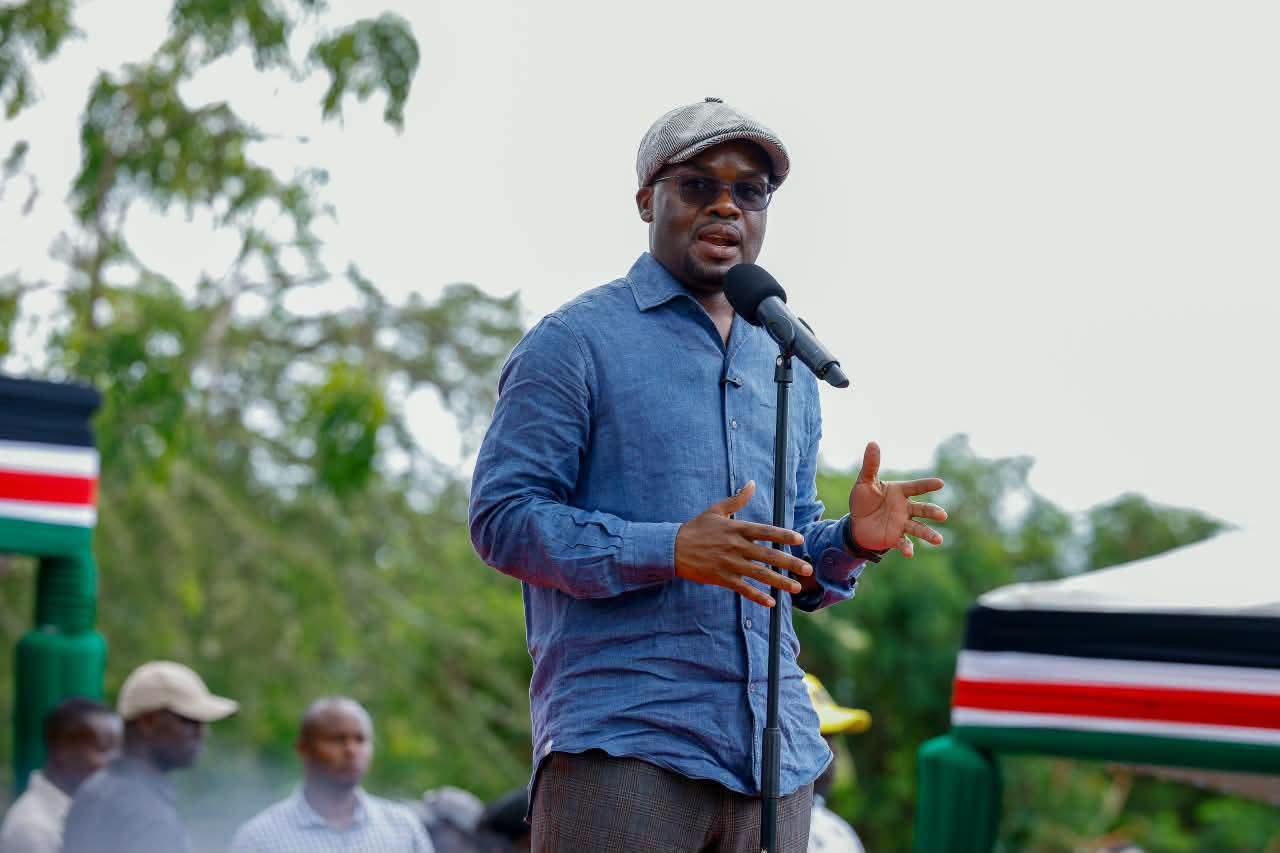
Omollo was speaking at Uhendo Beach in South Sakwa Ward, Bondo Constituency, during an engagement forum with Beach Management Unit (BMU) leaders and traders drawn from Bondo and Rarieda sub-counties.
He described the Bottom-Up Economic Transformation Agenda (BETA) as a deliberate framework for addressing the development priorities of the Lake Region, adding that President William Ruto’s commitments were being implemented systematically.
“Some of these landing sites are actually almost complete. This is not a promise being made today. The President’s plan started before the last election, and we have continued following it religiously,” he said.
Gem Constituency MP Elisha Odhiambo, who attended the engagement, welcomed the government’s interventions, declaring his support for Omollo on matters affecting the Luo community despite their different political affiliations.
“Raymond Omollo was not addressing an ODM meeting. He was addressing the Luo community. Because he is in UDA and I am in ODM, that does not mean we cannot agree on issues affecting our people. When he speaks about matters touching the Luo community, I am 100 per cent with him as his elder brother,” Odhiambo said.
The legislator also cautioned against making a written coalition agreement with President Ruto a condition for political cooperation, citing previous experiences with successive administrations.
“We did a document with Kibaki and Uhuru but it didn’t achieve much. What matters is whether our people benefit. We must give the President room to unite all communities because this country does not belong to Luos alone,” he remarked.

Odhiambo cited the recruitment of 100,000 teachers, the revival of the tea and dairy sectors and the Social Health Authority as examples of government initiatives deserving recognition.
He described the emerging relationship as one founded on mutual understanding and shared development interests.