The United Nations World Food Programme (WFP) has sounded an alarm that about 760,000 refugees in Kenya are staring at an increased risk of food insecurity.
This is attributed to critical funding shortages, forcing the agency to reduce food assistance to record low levels.
To restore full rations and cash assistance for all refugees through August, the global body urgently requires $44 million (Sh5,687,000,000).
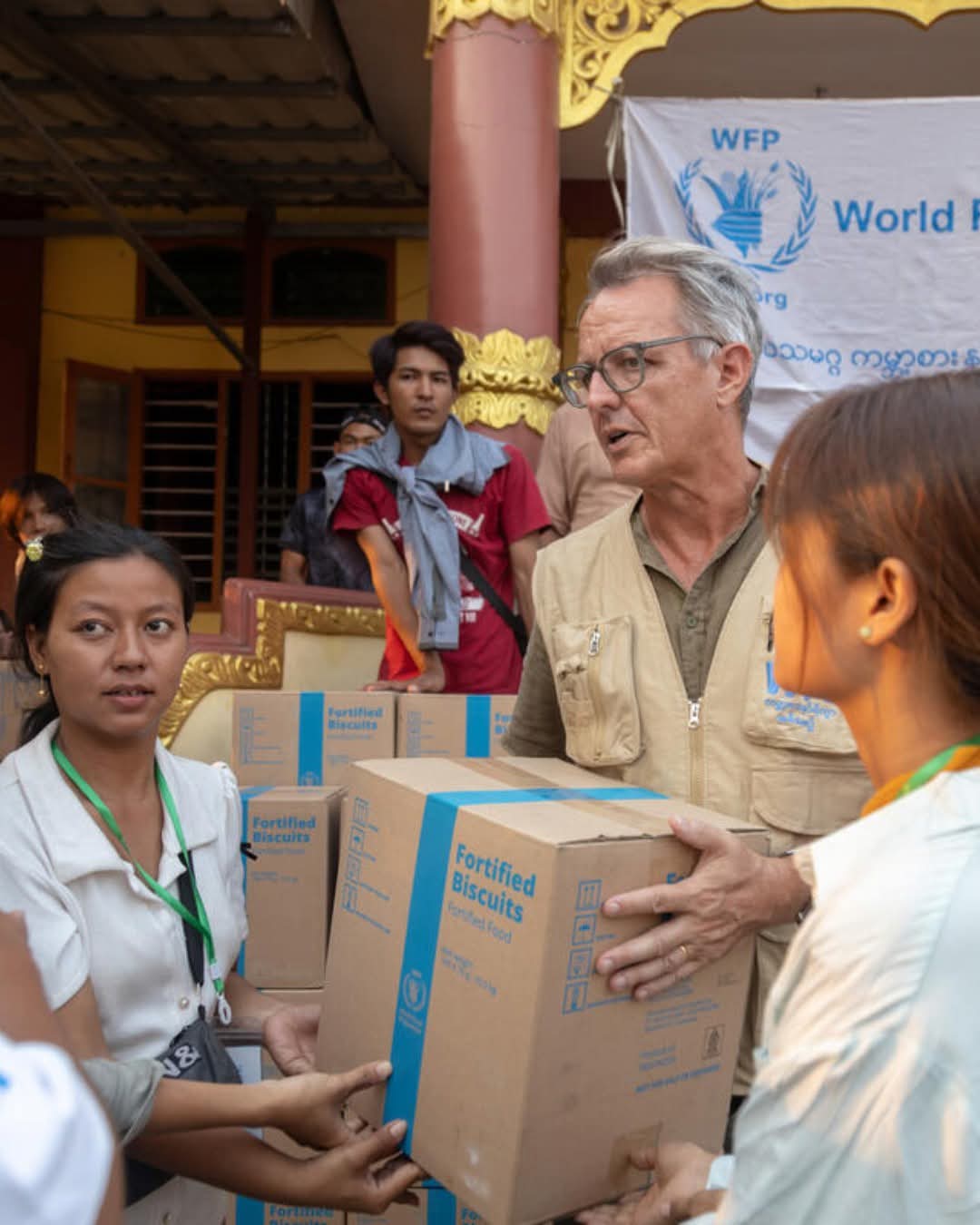
According to a press statement released Thursday, WFP warned that the supported refugees will only receive approximately 28 percent of the necessary in-kind food rations starting in June.
“All cash assistance programs will be halted unless additional funding is secured,” the statement partly reads.
However, statistics indicate that the number of refugees and asylum seekers in Kenya has increased by over 70 percent in the past five years.
“It rose from around 500,000 to 843,000 as people continue to flee conflict-prone and drought-stricken neighbouring countries like Somalia and South Sudan.”
Despite generous support from various donors, the growing needs of refugees have outpaced available funding.
WFP’s Deputy Country Director in Kenya, Baimankay Sankoh, stated that supporting refugees in Kenya is under immense strain.
“With available resources stretched to their limits, we have made the difficult decision to further reduce food assistance. This will significantly impact vulnerable refugees, increasing the risk of hunger and malnutrition,” he said.
Many refugee households in Kenya are already experiencing high levels of food insecurity.
The Global Acute Malnutrition (GAM) rate among refugee children, pregnant, or breastfeeding women is above 13 percent.
“This is classified as a nutrition emergency requiring urgent intervention to prevent life-threatening complications from malnutrition.”
Notably, WFP nutrition programs for children and mothers were cancelled in late 2024 due to a lack of resources.
Similarly, the WFP in collaboration with Kenya’s Department of Refugee Services (DRS) and UNHCR, provided monthly food assistance in 2024.
“It is mostly a mix of cash and the provisions of in-kind food to 720,000 refugees in Dadaab, Kakuma camps, and the Kalobeyei settlement.”
The WFP has had to adjust ration sizes to match available funding.
They recently reduced food rations to 40 percent of the recommended daily intake of 2,100 calories.
Additionally, WFP supports refugees and host communities through programs that promote self-reliance and integration.
These initiatives provide access to agricultural fields and build irrigation and livestock water infrastructure.
Furthermore, it creates food markets to help communities sell their produce. These programs are ongoing despite the stark challenges.
Sankoh cautioned that; “Reduced support will force refugees to make difficult choices such as selling essential belongings, withdrawing children from school, or even returning to their home countries despite the dangers.”
“Food assistance is a vital safety net, and we remain committed to doing everything possible to support refugees who are trying to rebuild their lives in safety.”