KISUMU, Kenya July 15 -In Kenya and across Africa, investigative journalism faces significant challenges that have led to a decline in reporting.
The primary issues affecting journalists and media professionals include inadequate resources and training, coupled with concerns regarding safety and security.
Additionally, a weak governance and transparency environment, along with highly restrictive legal and regulatory frameworks, further complicate the landscape.
Supporting Young Journalists
Currently, there exist scant statistics on the exact number of journalists actively participating in Investigative journalism in Kenya and the African region.
In response to these challenges, the Kenya Correspondents Association (KCA) has initiated a three-year program aimed at enhancing investigative journalism in the country.
Christened SAFIRI: Supporting African Future Investigative and Responsible Journalism, this initiative targets the empowerment of 60 young journalists aged 18-35, with 20 participants each selected from the Nyanza, Nairobi, and Coast regions.
The specialised training, conducted by experienced media experts, will equip these young journalists with the essential skills necessary for conducting impactful and transformative investigative journalism.
By prioritising youth empowerment and inclusivity, SAFIRI seeks to bolster democratic participation in Kenya.
The program is a collaborative effort with the ASPEN Leadership Program and Free Press Unlimited, receiving support from the European Union (EU).
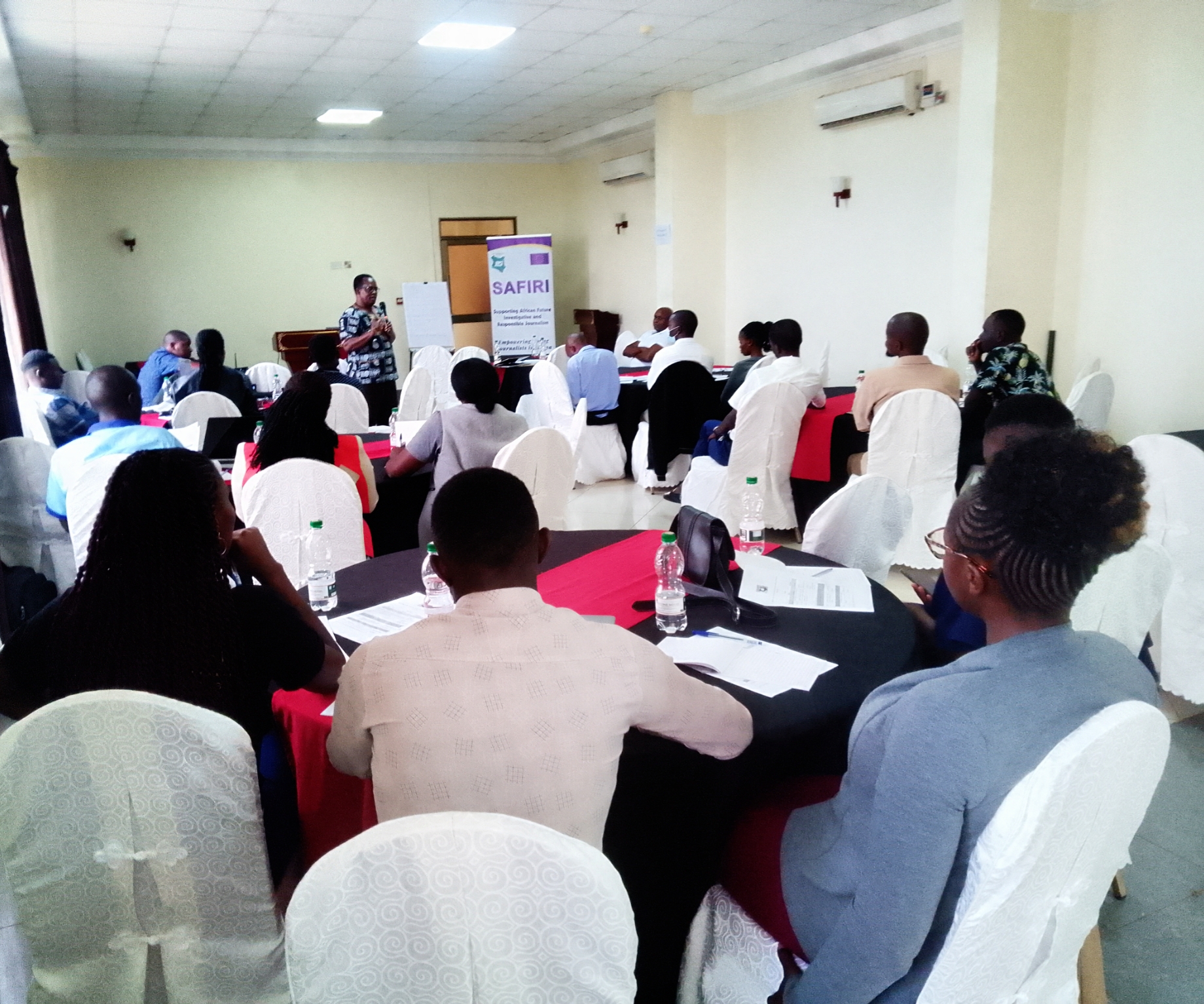
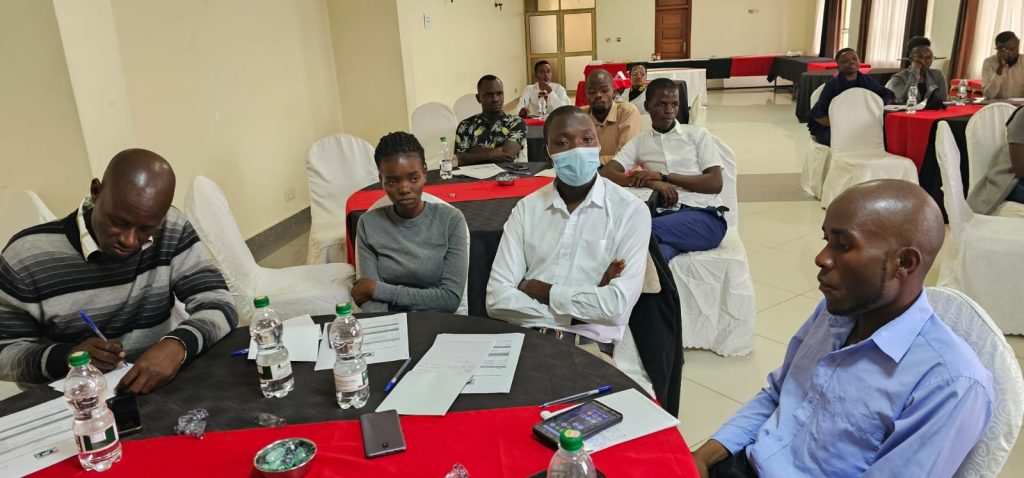
During the inaugural three-day training session held recently in Kisumu, KCA National Chairman Hudson Araka Matara acknowledged that many media organisations struggle with financial constraints that hinder their ability to support such initiatives.
“We are committed to filling this gap. Our trainees will gain invaluable knowledge in essential investigative techniques, ethical practices, and leadership skills,” he stated to attendees drawn from Nyanza, Western, and Rift Valley regions.
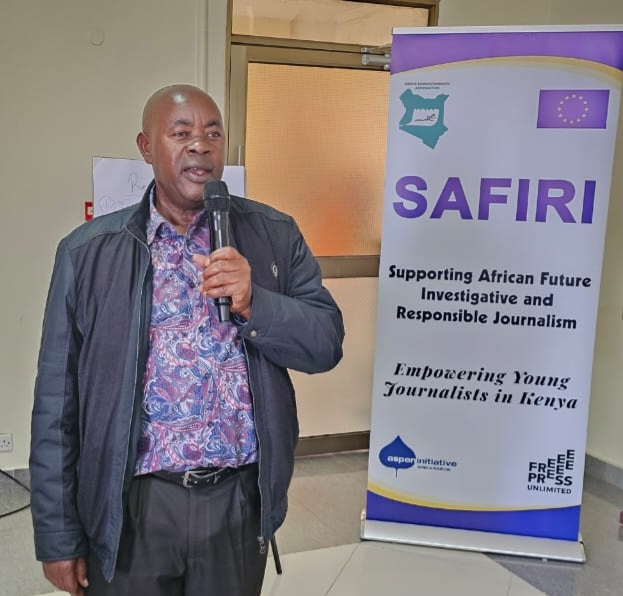
Echoing these sentiments, KCA’s Director of Programs William Oloo Janak pointed out that journalists investigating sensitive issues frequently encounter severe threats, harassment, and violence, often from state actors.
“The primary goal of this project is to strengthen independent, diverse, and investigative journalism in Kenya. We also aim to empower local media, enhance collaboration with civil society organisations (CSOs), and promote access to quality information,” Janak explained.
This approach encourages critical thinking, ethical decision-making, and effective communication.
Participants in the program, along with the broader media industry, will receive manuals and safety guidelines.
Influence Policymakers
Janak emphasised that the project’s foundation lies in the belief that improved training, funding, and support for journalists will enhance their capabilities to conduct unhindered investigative journalism.
“Well-trained journalists will be better equipped to report on issues of corruption, human rights abuses, and governance failures while combating fake news and misinformation. They will not only educate their audiences but also influence policy changes,” he noted.
Furthermore, during the program, KCA intends to award 15 investigative grants specifically aimed at addressing corruption, human rights, and governance issues.
An important aspect of the initiative is the provision of legal aid and psychosocial support to journalists in need, thereby addressing various mental health challenges they may face while on duty.
Media Dialogue Forums
In the coming months, KCA will also host three media dialogue forums for stakeholders in Nyanza, Nairobi, and the Coast, seeking to promote collaboration, media literacy, and appreciation for the media’s essential role in society.
“These forums will enhance community engagement, ensuring inclusive representation of women, youth, marginalised voices, and promote access to information and freedom of expression,” Janak reiterated.
Moreover, SAFIRI acknowledges the increasing influence of digital media and aims to connect traditional journalism with new media actors.
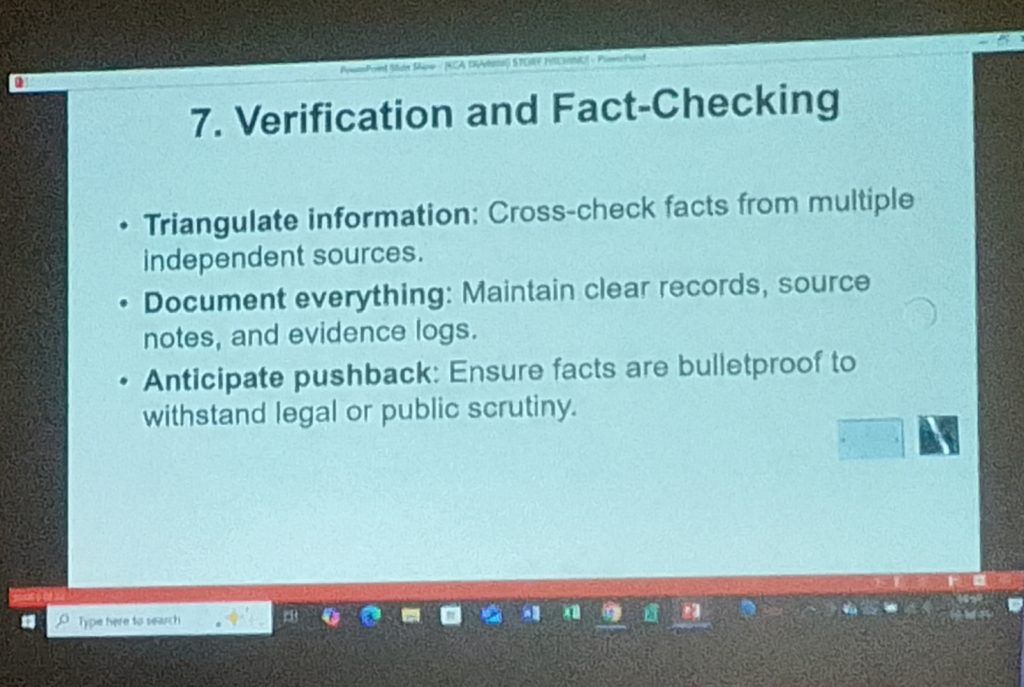
Some of the key topics highlighted during the training conducted by seasoned media trainers and mentors Caleb Atemi and Kevine Omollo included Solution Journalism, Journalist Safety and Security, and Tips for Writing a Story Grant Proposal.
Mr Atemi remarked, “The trainees are now in a prime position to hold society accountable and grow as individuals.”
Omollo concurred, explaining that many young journalists face daunting challenges when entering the field of investigative journalism.
“It requires significant time, resilience, and dedication. However, we have shared our experiences to help them generate compelling story ideas,” he stated.
Trainees Takeaways
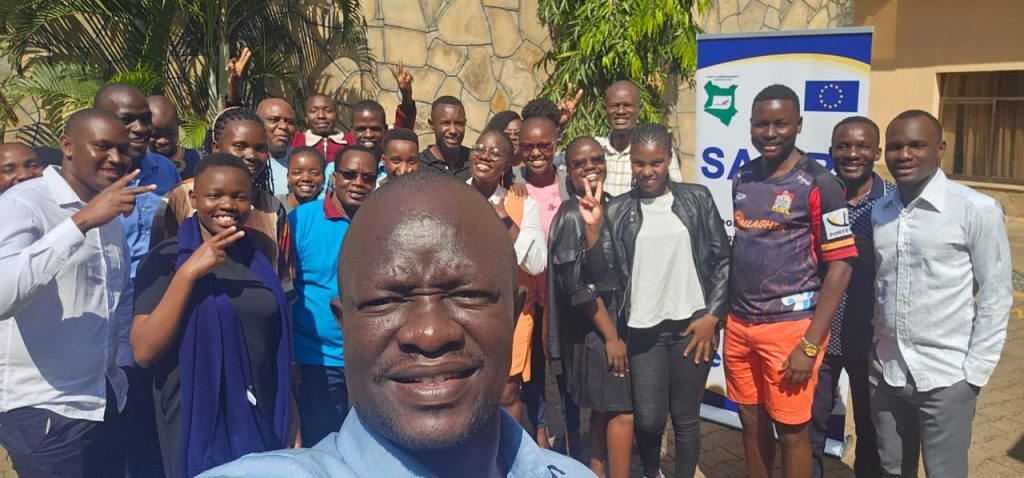
Tangible insights from participants such as Kisii-based Nyachae Brian (Radio Vuna) Mercy Achieng (Freelancer), Victoria Magar (KNA-Busia), and Henry Bitok of Kenyon Radio (North Rift), described the training as “an eye-opener with immense opportunities, particularly due to a lack of awareness at a higher level.”
They noted that they have learned valuable skills in pitching stories, news sourcing, research, and focusing on human interest stories.
Like their peers, both Nyachae and Magar are eager to apply the knowledge and skills they have gained to enhance their journalistic capabilities.