KISUMU, Kenya, July 24 –For decades, humanity has watched its skies dim or blurry and temperatures rise under the weight of our own pollution. The ozone layer, once a natural shield, has suffered pollution.
Our glaciers are shrinking, droughts are lengthening, and floods and storms are no longer seasonal. They are recurring phenomena or wonders that common aphorism holds shall never cease.
Carbon Output
They are constant reminders of our failure to act decisively on climate change and a wake-up call to respond to the whims of nature.
The global community has tried, in fits and starts, to reverse the tide. Global and regional climate pacts or agreements have been signed, promises made, and deadlines set.
This shift is to help cut down on paper consumption, printing emissions, and distribution-related carbon output.
By going digital, the publication aligns itself with global sustainability efforts-demonstrating that even traditional media can play a role in combating climate change.
Vulnerable Communities
But climate change continues to outpace our solutions at times.
And that is why the United Nations Climate Change Conference-COP30 is being held this November in Belem, Brazil, to continue to seek sustainable solutions.
It is more than just another global climate summit.
It is a chance to put substance behind the speeches, especially for the world’s most vulnerable communities prone to recurring effects of floods, droughts, among others.
The Belem Conference, cradled in the Amazon rainforest, dubbed as the lungs of the Earth, will welcome more than 60,000 people from 193 countries, as reported in the COP 30 web portal or the Brazilian government website.
Greenhouse Gas
For close to two weeks, the organisers reveal that the world leaders, scientists, civil society, and climate activists will gather in Brazil, not for siesta but for a serious global agenda.
They will travel to Brazil to discuss how to reduce global greenhouse gas emissions, ramp up adaptation strategies.
More concerns will be to debate and agree on climate finance resilience for countries that are already suffering the majority of developing nations like Kenya.
Over the years, there has been a running debate across the developing or industrialising countries where I come from about whether they emit less carbon.
Consequently, the fact that they contribute insignificant proportions to the pollution of the ozone layer means they deserve more financing to help clean the air.
But this COP 30 is not just a conference about the future of carbon accounting. It’s about climate justice.
Today, billions in climate financing are being mobilised globally to address both the causes and effects of climate change.
Global South
This is especially in the Global South or industrialising nations like Kenya, Uganda, Tanzania, Nigeria, South Africa and Malawi, et al.
Yet, much of this funding comes too slowly, tied up in bureaucracy or disbursed with strings that reportedly undermine sovereignty.
The poorest nations contribute the least to the crisis but suffer the most.
The rising sea levels, the ocean and Lakes, failed crops, and health impacts borne by children and the elderly should therefore be a concern for COP 30.
It is the reason why Brazil’s leadership and resolutions at COP30 matter to me.
Hosting the conference in the Amazon, Belem -Brazil, the most critical carbon sink left on Earth-sends a clear message to the rest of the World.
Brazil is stepping forward to offer not just hospitality but also vision.
Indigenous peoples, local communities, and youth activists must be given more than speaking slots—they must shape the COP 30 agenda.
Funding Gaps
They must push for Climate finance to be simplified and scaled up in Kenya, Uganda, Tanzania, Rwanda, Malawi, among others, to name a few.
Nature-based solutions must be funded, not just studied or debated and archived.
And the promises made in Paris, Glasgow, on climate actions, among others, must be honoured, not postponed again. We want to see real climate-resilient actions.
This is a global moment that must not be wasted. The world is coming there not for a ceremony, but for a reckoning
We cannot keep patching wounds while letting the climate injustices grow.
No. We must now pull our synergies together and share resources that aim at tackling climate challenges and the crisis equitably.
COP30 must be the turning point—not just in rhetoric, but in action. And as the Amazon breathes, so should the world.
In Kenya, we want to see real actions regarding afforestation promised by the Presidency actualised as we eye going the Belem’s Amazon route.
15 billion trees
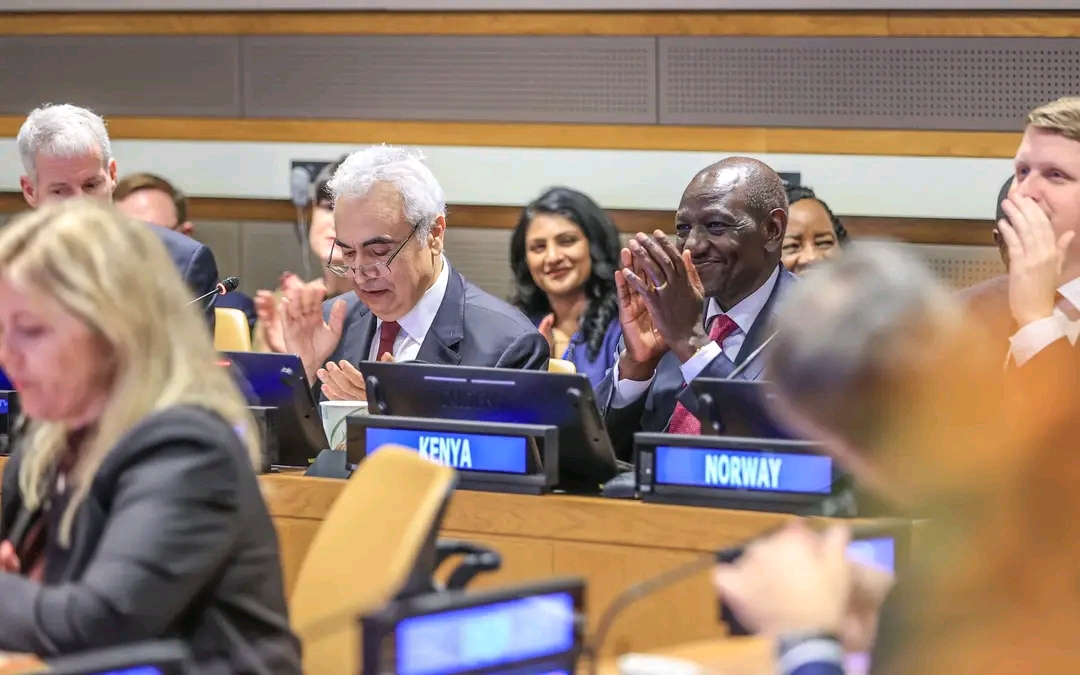
Good, that already, President William Ruto is on record announcing Kenya’s ambitious plan to plant 15 billion trees by 2032.
This initiative aims to triple the country’s forest cover, raising it from the current 12 to 30 per cent over the next decade. Good idea to bring to fruition.
The program is central to Kenya’s climate action strategy, tackling deforestation, restoring degraded lands, and building resilience against droughts and floods.
The campaign, launched in 2022, involves every arm of government—from ministries to local communities.
JazaMiti
With public tree-planting days and digital monitoring tools like JazaMiti to track individual contributions. This is an idea to explore.
Ruto’s administration remains committed to making Kenya a regional leader in reforestation and environmental stewardship.
While the goal remains objective, the progress has faced hurdles like funding gaps and logistical delays, which is why we turn to COP 30.
We want to see what countries like Kenya, will gain from COP 30.
The author is a senior writer, media consultant and an advocate of good governance and democracy in Africa. Kepherpeace@gmail.com