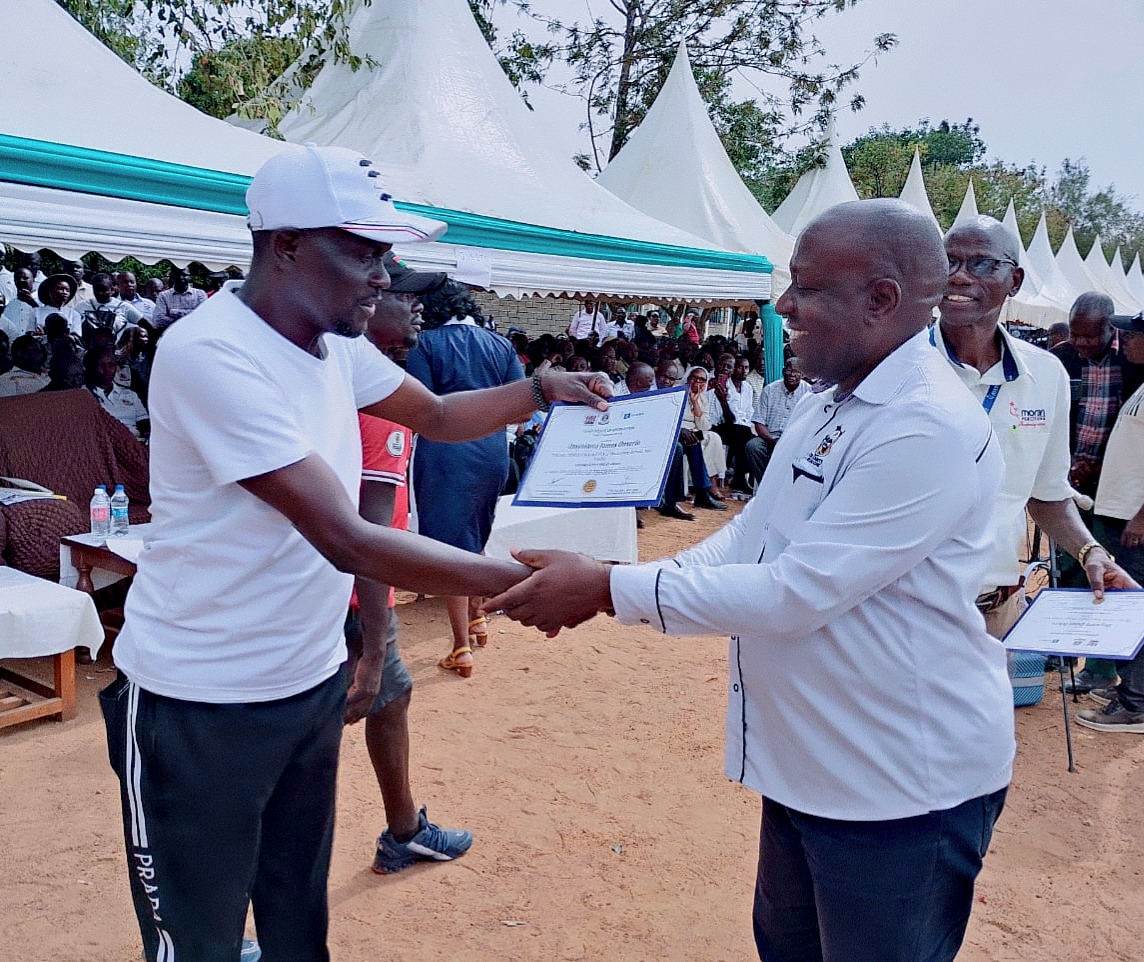
KISUMU, May 1, 2026 –In a move set to disrupt the traditional academic landscape, the African Talent University (TATU) has officially unveiled a bold educational model that prioritises innate talent over conventional grading systems.
The institution, which recently received its Letter of Interim Authority (LIA) from the Kenyan government, aims to bridge the gap between academic theory and real-world problem-solving.
According to the university’s founder and trustee, Prof. Humphrey Oborah, the interim charter validates a 20-year crusade to recognise the “extraordinary abilities” of young Africans that often go unnoticed by standard exams.
Prof. Oborah argues that the current education system often relies on “guesswork,” leading to wasted time and resources.
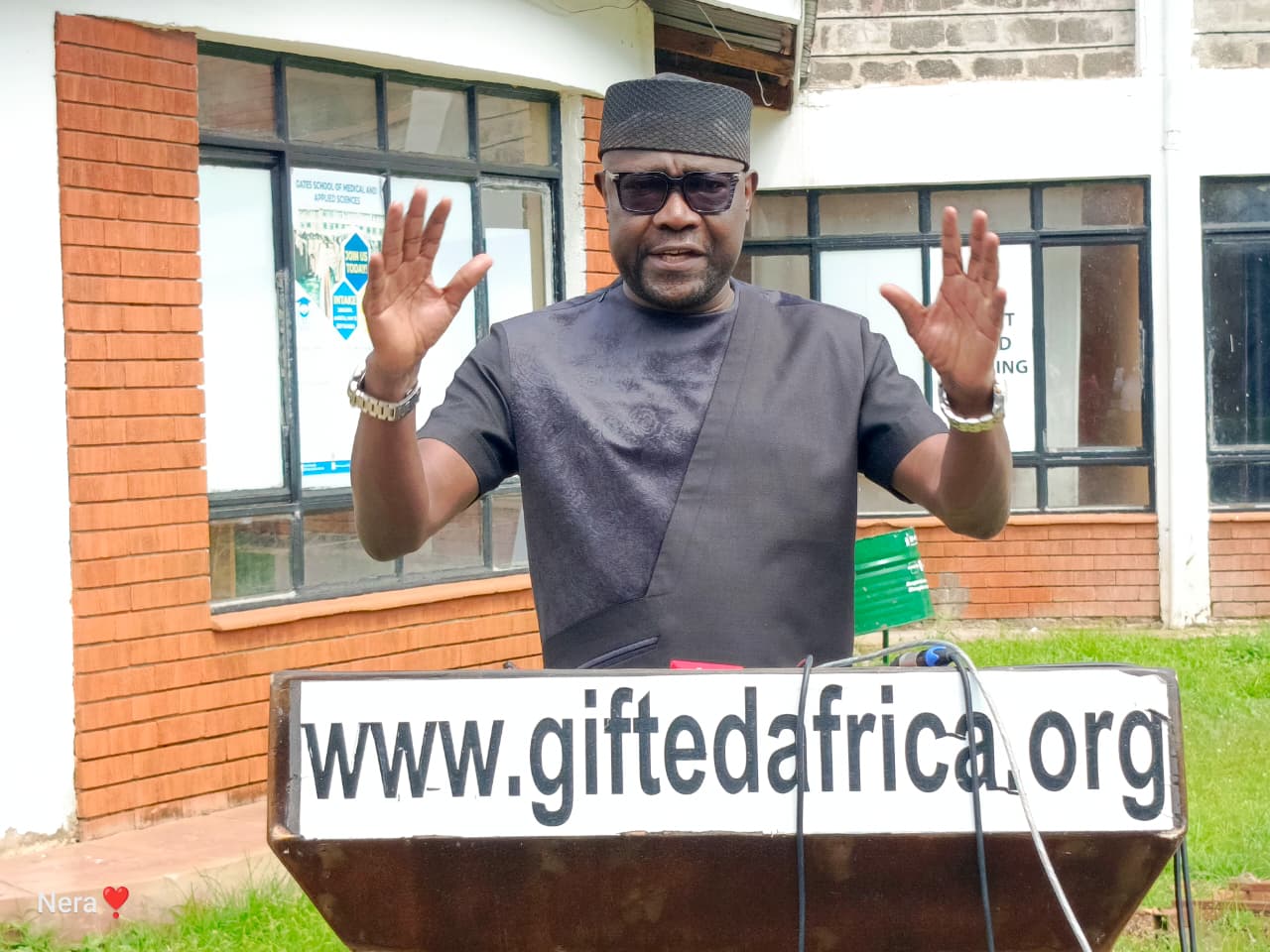
“Your child should never join any learning system without a diagnosis,” Oborah stated during a media briefing. “Just as a doctor performs a lab test before prescribing medication, TATU uses scientific tools to identify a student’s natural gifts before they begin their studies.”
To achieve this, the university employs advanced technologies such as Anthropobiometry, a method used to assess a child’s innate physical and cognitive predispositions, and the Matric Tool, a system designed to “excavate” life achievements and prior work experience, converting them into academic credits.
One of the university’s primary goals is to deconstruct the African misconception that talent is limited to the arts, such as music or sports.
“Talent exists in medicine, engineering, and everything,” Oborah explained. “It is your metric value given by God. Academics should be a byproduct of what you naturally are.”
By aligning “learning rubrics” to the individual rather than forcing the student to conform to a rigid curriculum, the university seeks to produce graduates who are natural experts in their fields. This approach allows even those who may have dropped out of formal schooling to have their prior knowledge recognised and credited toward degrees.
The university addresses a common parental frustration: the “paper-chasing” culture where students earn degrees in fields they have no interest in, only to “throw the papers” at their parents upon graduation.
Prof. Oborah noted that TATU’s model is supported by the Raila Odinga Foundation and was born from the Digital Advisory and Learning Centre (DALC) for focusing on “learning prescriptions.” These personalised plans ensure students only study what they are naturally gifted to do, significantly reducing the struggle often associated with higher education.
TATU allows students to fast-track their education by evaluating their existing business projects or technical experience, the university can assign credits that count toward diplomas or degrees, often culminating in a practical dissertation rather than years of repetitive lectures.
While the university was previously criticised and labelled “rogue” for suggesting that non-traditional students could access degree programs, the government’s issuance of the interim charter marks a turning point.
“The reality is here,” said Prof. Oborah. “This university is here to correct the problem of punishing children for what they are not. It is the beginning of an education revolution across the continent.”