
Mara River at Crossroads as 14th Mara Day Confronts Environmental Crisis
KISUMU, Kenya September 12th –As the 14th Mara Day celebrations commence on September 12 in Butiama, Tanzania, they arrive at a critical juncture for the Mara River Basin.
The festivities coincide with the annual wildebeest migration, one of the world’s most iconic natural spectacles — and a stark reminder of the fragile balance between ecological survival and environmental degradation in the region.
This year’s theme, “Protect Mara River, Preserve Life,” underscores growing alarm about the state of the Mara River and the threats it faces, from deforestation and pollution to climate change and land-use pressures.
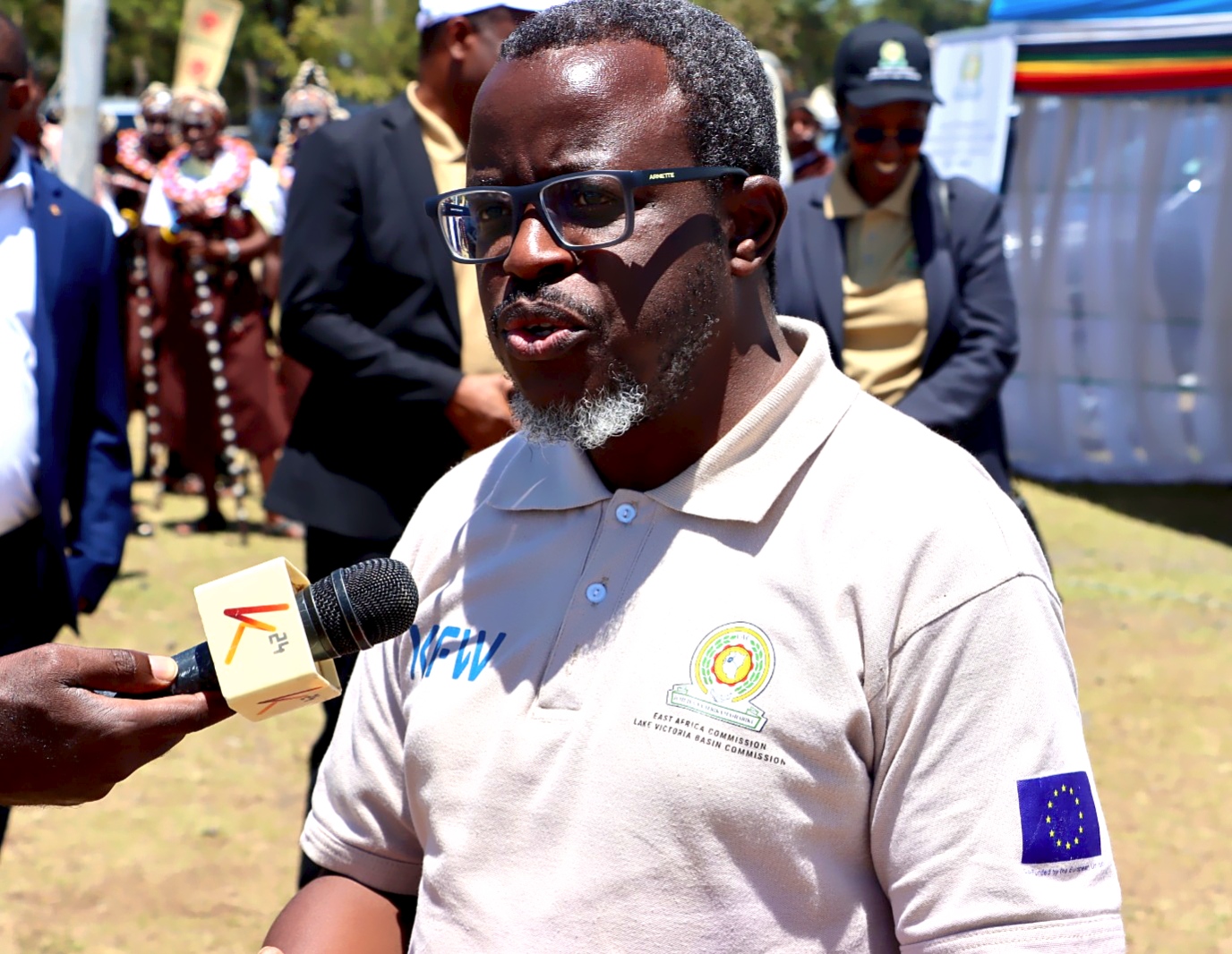
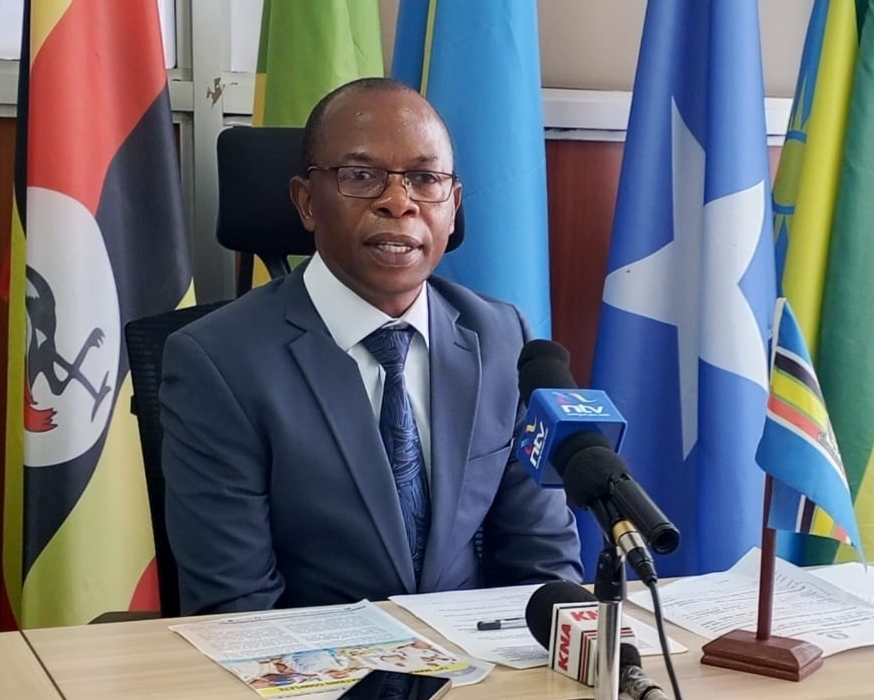
At the heart of these concerns is Dr Masinde Bwire, Executive Secretary of the Lake Victoria Basin Commission, who has issued a blunt warning.
“Without the Mara River ecosystem, there shall be no migrations of the wildebeest, nor shall we have the Masai Mara and Serengeti national parks.”
A River Under Siege
The Mara River is not just a lifeline for wildlife; it sustains millions of people through farming, tourism, livestock, and water supply. But its survival is now under threat.
Upstream deforestation, especially in the Mau Forest, is reducing water retention, leading to erratic flows that destabilise the river’s natural rhythms.
Agricultural runoff and untreated effluents are degrading water quality. Riverbank erosion is worsening, and mining activity in some parts of the basin is leaving lasting scars on riparian ecosystems.
These issues have cumulative effects. Degraded river flow disrupts wildlife migration patterns, affects food security, and weakens the long-term resilience of both people and nature.
Dr. Bwire has emphasised that the current path is unsustainable. “The Mara River is facing serious existential threats. If we don’t act now, the ecological and economic costs will be enormous.”
Celebration with purpose
Unlike in previous years, where Mara Day served largely as a symbolic observance, this year’s event aims to catalyse practical action.
A regional scientific conference is being held alongside the celebrations, with researchers and policy makers from across East Africa presenting findings and solutions.
Community events, including tree planting, sports, exhibitions, and school competitions, are also scheduled to reinforce awareness and participation.
For Dr. Bwire, it’s not about festivities — it’s about urgency. “Mara Day is not just about celebrating a river; it is a moment to reflect, to act, and to build partnerships that will protect this ecosystem for future generations.”
He has advocated for integrated approaches to water resource management, including trans boundary cooperation, enforcement of environmental regulations, and sustainable financing for conservation efforts.

The Mara River flows across national borders, from Kenya into Tanzania, linking not only ecosystems but also the destinies of two nations. Dr. Bwire has repeatedly stressed that this is a shared resource and, therefore, requires shared responsibility.
“What happens upstream affects everyone downstream. We need harmonised policies, regional frameworks, and joint enforcement to manage the Mara sustainably.”
This year’s celebrations offer a platform to reinforce bilateral cooperation and galvanise East African states into deeper commitment.
Yet while agreements and policies have been signed in recent years, implementation on the ground remains patchy. River pollution persists.
Illegal logging continues. And poor land-use planning threatens to reverse gains made in earlier conservation projects.
One of the Commission’s strategic priorities is to strengthen the data systems underpinning water governance.
Tools such as the Lake Victoria Basin Water Information System are being developed to monitor river flow, pollution levels, land cover change, and climate trends.
But as Dr. Bwire warns, data alone isn’t enough. “Science must guide our decisions — but political will, financing, and community engagement are what will determine success.”
He has also pushed for scaling up environmental education and creating incentives for local communities to adopt climate-smart agriculture and protect riparian forests.
The Bottom Line
The Mara River is more than a river. It is the spine of an entire ecosystem, a cultural treasure, and an economic engine. Mara Day 2025 presents a crucial opportunity to transition from words to action.
Dr. Bwire’s message is clear: “We must protect the Mara River if we are to preserve life. The time for rhetoric is over. The time for action is now.”
Whether the region listens — and acts — may well determine the fate of one of Africa’s most vital rivers and the communities and creatures it sustains.