Kisumu, 23rd June 2026 -Business owners and traders from Kenya have rejected the handling of Senate Bill No. 35 of 2024 –The Tobacco Control (Amendment) Bill, accusing Parliament of excluding key stakeholders from meaningful public participation.
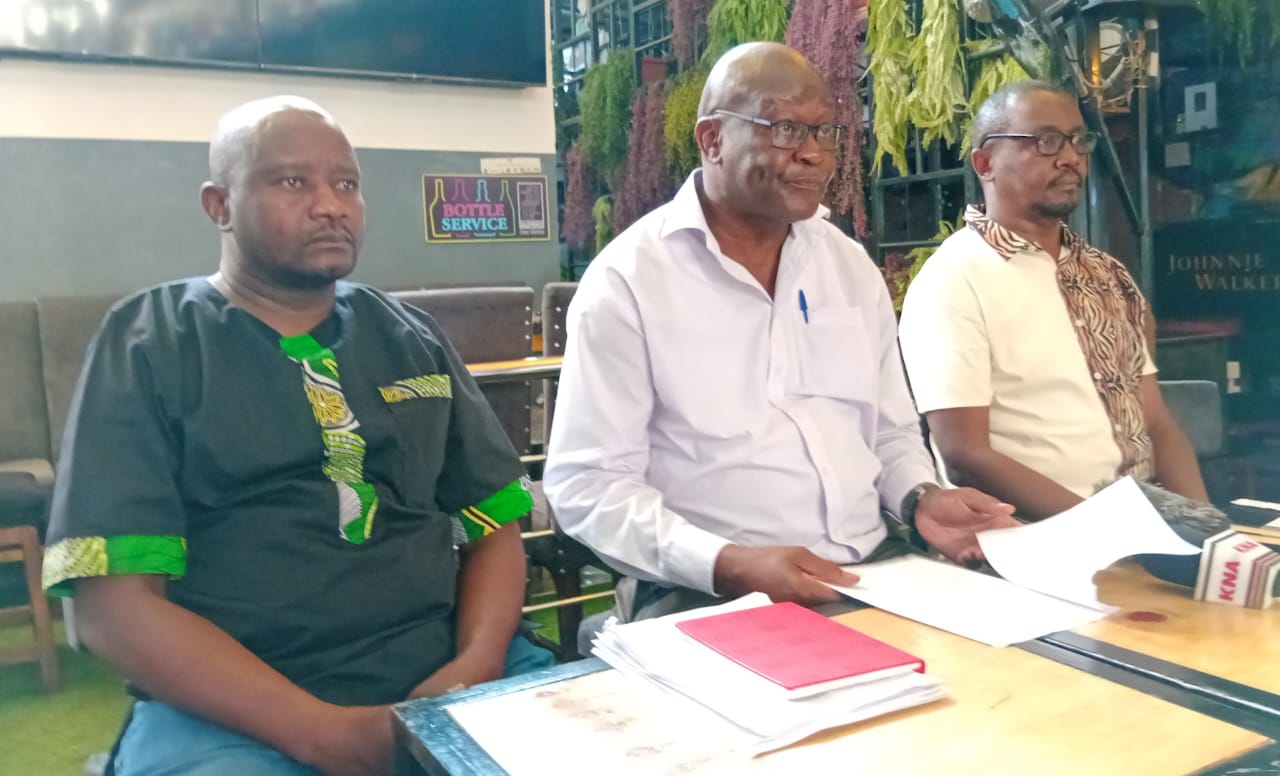
Reading the statement issued on Tuesday, Bar Owners Association Kisumu County Chairman Dan Ouma said consultations held over the last several weeks in Mombasa, Kisumu, Homa Bay, Kiambu, Siaya, Bungoma, Kirinyaga, Trans Nzoia, Nyeri and other counties revealed one common concern: the people who will be directly affected by this law have not been adequately involved in shaping it
“We, the business owners, traders, retailers, distributors, hospitality operators, and entrepreneurs from the lakeside region, wish to express our deep concern regarding the manner in which the Tobacco Control (Amendment) Bill is being handled and the exclusion of key stakeholders from the public participation process,” Ouma stated.
People’s Voices
Ouma said traders support laws that protect public health and promote responsible business practices. However, he rejected any process that makes decisions without listening to affected voices.
“As business owners and traders, we are not opposed to regulation. We support laws that protect public health and promote responsible business practices,” he said as they reject any process that seeks to make decisions on their own behalf without listening to their voices.
According to the traders, the Senate did not do sufficient public participation in listening to the views and opinion of hundreds of thousands of business owners and traders.
“They include millions of Kenyans who are going to be directly affected by this Bill and are within this sector. Something we are also seeing the National Assembly doing by the procedures and steps they have taken.”
The traders were particularly concerned by the National Assembly Health Committee’s decision to hold public hearings on the Bill in Nairobi only. Ouma argued that a national law with national implications cannot be debated in one city.
“We are particularly concerned by the decision by the National Assembly Health Committee to hold the public hearing on this Bill in Nairobi only. This is a national law with national implications. Restricting participation to Nairobi effectively locks out hundreds of thousands of traders and business owners plus millions of Kenyans from counties across the country who do not have the resources to travel and present their views,” Ouma said.
He added that the National Assembly now has a chance to correct shortcomings evident in the Senate process.
“Public participation cannot be called public participation when the majority of affected stakeholders are unable to access it,” he noted.
GenZ Demos
Ouma further faulted the scheduling of the hearing for 25 June, saying the date carries significant meaning for many Kenyans, especially the youth.
They are also equally concerned that the hearing has been scheduled for 25th June, a date that carries significant meaning for many Kenyans, especially our youth, the children of this nation. This is a day that has become associated with civic engagement, constitutional rights awareness, and the voices of our youth demanding justice and to be heard.
“Scheduling such an important hearing on this day risks limiting participation and ignores the significance that many Kenyans attach to it, especially our young people in memorial remembrance of their fellow youths who died during the Gen Z-led demonstrations in 2024,” he said.
“The Constitution,” Ouma declared: “Demands meaningful public participation, not a procedural exercise carried out to satisfy legal requirements. Our message is simple and clear: Nothing about us should be decided without us.”
‘Our Demands’
He listed the five group’s demands such as the immediate extension of the public participation period on the Tobacco Control (Amendment) Bill, Public hearings to be conducted across the country and not exclusively in Nairobi, and Virtual and county-based participation mechanisms to allow all affected stakeholders to be heard.
“We want direct involvement of traders, retailers, hospitality operators, distributors, and other affected business sectors in the legislative process, and full consideration of the economic impact that the proposed amendments will have on businesses, jobs, livelihoods, and government revenue,” the statement reads in part.
Ouma reminded policymakers that hundreds of thousands of businesses across Kenya are already struggling with high taxation, increased operational costs, multiple licensing requirements, insecurity, and declining consumer purchasing power.
“We further remind policymakers that hundreds of thousands of businesses across Kenya are already struggling with high taxation, increased operational costs, multiple licensing requirements, insecurity, and declining consumer purchasing power. Any legislation that affects businesses must be developed through genuine consultation and informed engagement with those who bear its consequences,” he said.
“Today, we stand united as traders and business owners from across Kenya. We stand for meaningful public participation, inclusive governance, and laws that are developed with the people and not imposed on the people,” Ouma emphasized.
He further called upon the National Assembly, especially the Health Committee and all relevant institutions, to listen to the voices of Kenyan traders and business owners before proceeding with the Tobacco Control (Amendment) Bill.
“Our voices matter. Our businesses matter. Our participation matters.”