ADDIS ABABA, Ethiopia –The Sustainable Energy for All (SEforAll) has issued a powerful call to action for doubling the global rate of improvement in energy efficiency by 2030 at the landmark Africa Energy Efficiency Conference (AFREC) being held at the African Union(AU), headquarters in Addis Ababa, Ethiopia, on 8th December 2025.
SEforAll emphasises that they will be focusing on Sustainable Development Goal (SDG) 7.3, as it underscores that energy efficiency is a cross-cutting imperative for all industries and sectors, with a critical emphasis on cooling across the African region.
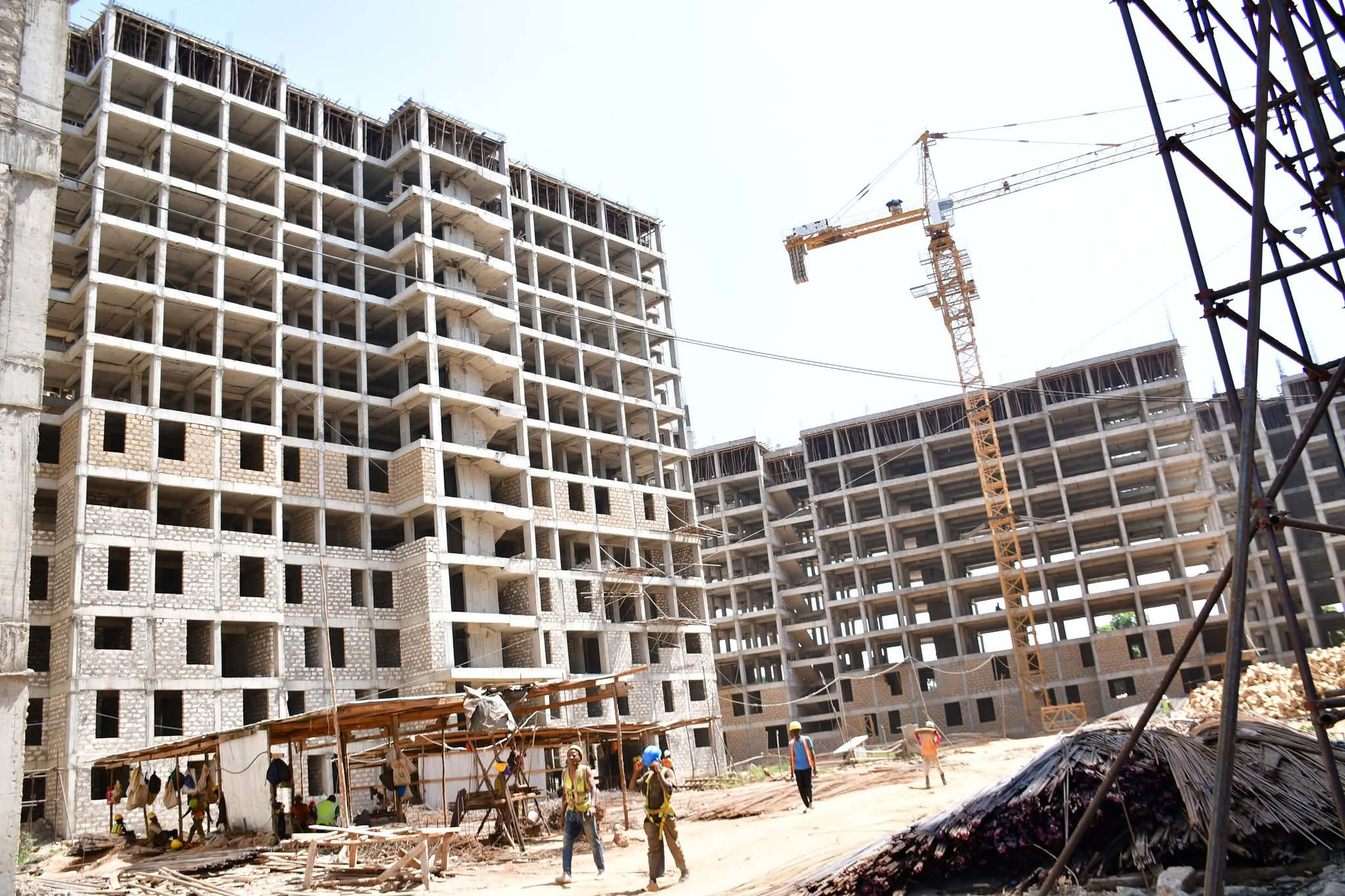
Marking remarks at the event, Ms Elizabeth Wangeci Chege, the Energy Efficiency and Cooling Officer at SEforAll, said that they will be placing a significant spotlight on buildings, given that Africans spend over 90% of their time in them.
“Within these structures, the equipment we use necessitates the urgent establishment and enforcement of minimum energy performance standards continent-wide,” Wangeci emphasised during a media briefing which kick-started with Pre-Conference Training sessions.
SEforAll, which is an initiative hosted by the United Nations Office of Project Services (UNOPS) and adopted by the AU, is encouraging member states on the parallel need for a concerted effort towards the harmonisation of these standards across African borders.
This focus, she elaborated, unveils substantial opportunity, not only for industrial growth but also for fostering south-to-south learning.
“This exchange allows countries to share best practices, refine national policies, enhance trade conditions, and improve border control mechanisms for buildings and equipment.”
On the policy front, Chege implored all participants of this inaugural capacity-building session at the AU to become national champions for energy efficiency. The expectation, she stated, is to see buildings truly designed for the people of Africa.
“This is the best time for us to actually look at how we’re building, how we’re designing our cities,” Wangeci asserted, “because sustainable, energy-efficient buildings are not a luxury; they’re actually a right for all Africans.”
Linking energy efficiency directly to climatic effects, she appealed to the financial community: financiers, financial institutions, donor partners, and all collaborators to critically examine how they prioritise investments in energy efficiency for buildings.
Wangeci emphasised that improving energy efficiency, particularly in buildings, represents the lowest-cost and most accessible strategy to combat climate change. This positions it as a singular opportunity, with every dollar invested potentially yielding three to five dollars in return.
“The majority of cities and buildings that will exist in Africa by 2060 have not yet been constructed,” she said in futuristic perspective.
This, she concluded, presents the continent with its greatest opportunity to build correctly from the ground up.
Organised by the African Energy Commission, the main energy conference will be graced by representation from more than 40 African Member States, with seven Energy Ministers confirmed, private sector innovators, ESG investors, project developers, and technical experts.
On Wednesday, December 10 will be a momentous occasion with the unveiling of the African Energy Efficiency Alliance, created to “transition from strategy to implementation by fortifying partnerships, facilitating technology transfer, and scaling proven EE solutions across sectors.”
“It is an opportunity that must be seized while integrating climate action, ensuring that Africa’s Nationally Determined Contributions (NDCs) comprehensively include ambitious energy efficiency targets across all sectors,” Wangeci urged.