ADDIS ABABA, Ethiopia, 9th December – The African Energy Commission (AFREC) aims to raise $3 billion to support African Member States in executing the African Energy Efficiency Strategic Plan (AFEES), which has been endorsed by all the continent’s Heads of State.
In the initial phase of its first five-year plans, the agency under the African Union (AU) emphasises that the fund’s primary objectives will include providing much-needed support to Pan-African institutions to assist their countries.
It will also help in fostering robust advocacy, research, and innovation, and attracting the private sector to implement energy efficiency (EE) projects.
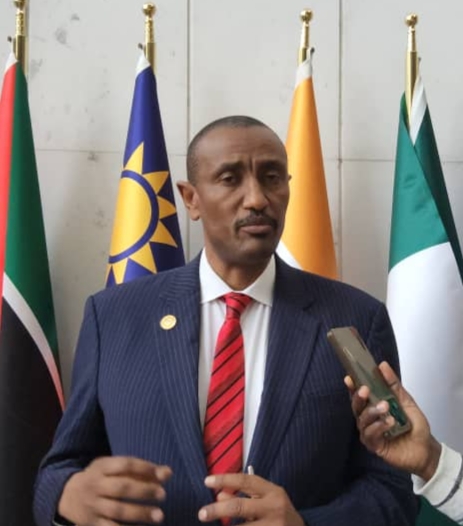
According to Rashid Abdallah, the Executive Director at AFREC, member states approved AFEES, which outlined 137 ambitious actions for energy efficiency.
For effective implementation, he advocates for two key elements grounded in strong partnerships and financing of projects among member states, Pan-African institutions, and local, regional, and international financial bodies.
Abdallah further remarked that this can also be achieved by creating a conducive environment for businesses to flourish and by empowering developers and supporting African Member States.
“These reasons led to the creation of the Africa Energy Efficiency Alliance aimed at bringing together all industry stakeholders and attracting all necessary funding,” he said during a media briefing on the sidelines of the Pre-Training sessions for delegates at the ongoing African Energy Efficiency (AFEEC) Conference held at the AU headquarters in Addis Ababa, Ethiopia on 9th December.
AFEEC is an inaugural gathering of energy sector leaders, policymakers, and financiers to shape the continent’s energy future.
With the constructive engagement among energy stakeholders observed so far at the sessions, AFREC remains optimistic that it will generate clear ideas on establishing an energy efficiency facility.
“First of all, we feel the demand is huge for energy efficiency and, therefore, we need to make a compelling business case as we are not just focusing on donations but on business,” he urged.
Abdallah expressed gratitude to the South African G20 Presidency for embracing the concept and making it one of the G20 Legacy Projects. “This means that it will continue beyond South Africa’s mandate.”
He shared that they are currently in the process of selecting the appropriate operational model for the energy facility, which will consider: “How to attract, spend and who will be in charge of the funds.”
Affirming this position, Luvayo Njorane, an official from the South African Department of Electricity and Energy, said that through the pivotal meetings, the Pan-African energy initiative, has solidified the pathway to tackle the continent’s energy access crisis.
In a press interview, he stated that today’s gathering of key stakeholders was “one of the most important meetings that has given them more confidence in the direction that they’re going to take.”
It brought together high-profile representatives from banks, governments, and Regional Economic Communities (RECs), and the Partnership for Energy Efficiency in Buildings (PEEBS).
The proposed facility targets what Njorane called a “very important and concerning” crisis: nearly 1 billion Africans lack access to clean cooking, and about 550 million lack electricity.
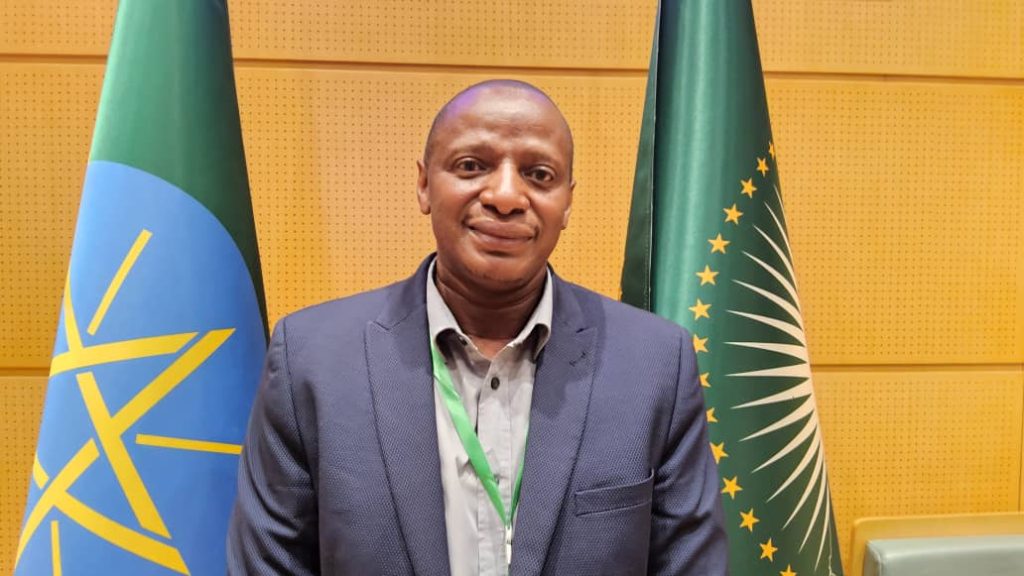
Some of the strategies as outlined by Njovane, follow a clear three-step plan: Secure High-Level Political Approval; Unlock Blended Finance; and Drive Implementation Through Regions.
The immediate next step, he advises, is seeking endorsement from African heads of state under the AU in February.
“We wish first to get approval from the African heads of state, that’s the initial step that we think we will be able to kick-start this particular program,” Njovane explained
He believes that this political will is crucial to unlock confidence and financing. With political backing, the facility aims to attract major investment.
“Financing will follow much more easily once we’ve got our leaders who bought into this idea and the goal is to blend government seed capital, existing national programs, climate finance, and private investment to build a funding pool targeting $3 billion by 2030,” he noted.
Njovane laid emphasis on the harmonisation of the AfEEF project’s execution by starting from the regional level as he pointed out at the RECs as ideal platforms for the implementation of the program.
“People-centric energy projects will be identified and aggregated there before accessing the central facility’s funds. This structure is designed to help even the least developed countries, which may prioritise other sectors, to tap into energy efficiency and electrification financing,” he clarified.
“Africa has become a strong powerhouse on its own with the unity of our leaders,” Njovane remarked as he expressed firm belief that they will endorse an appropriate funding model as advised by the energy sector players.
The facility, he concludes, will succeed in its ultimate goal of enabling Africans to: “Live comfortably like any other person in our world.”