KISUMU, Kenya, September,2025 –The necessity to enhance the media’s capacity for accurately reporting weather forecasts has intensified, as the Kenya Meteorological Department (KMD) demonstrates its ongoing commitment to collaborate closely with various stakeholders to achieve this goal.
With the rapid evolution of smart and advanced technologies, KMD highlighted that these innovations will assist journalists in easily accessing and interpreting weather information in this digital age.
As the sole credible source of weather predictions, the state agency urged journalists and the public to consistently engage with their official webpages for authentic and verifiable forecasts.
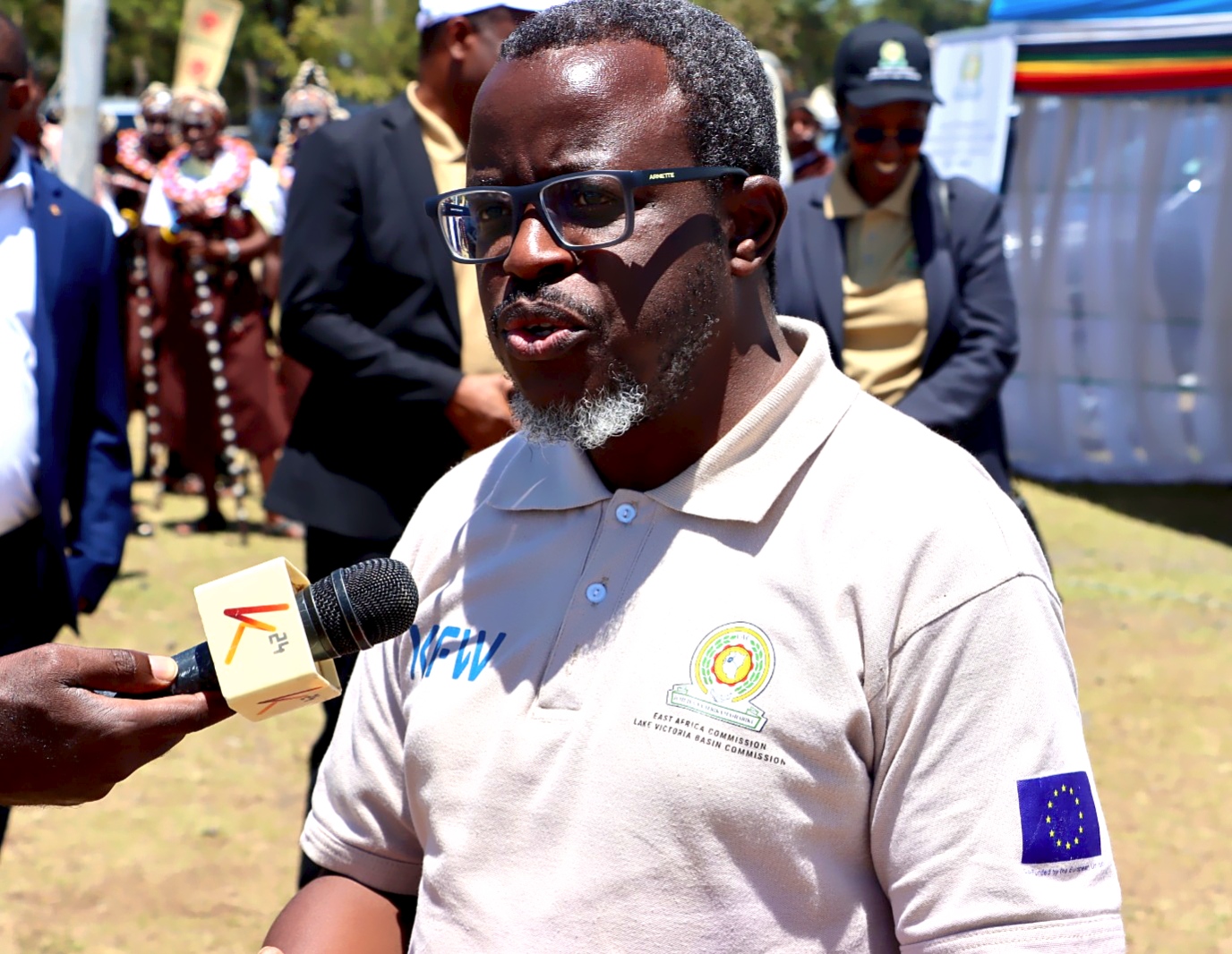
Making remarks at the International Day for Universal Access to Information (IDUAI) 2025 forum, held on Monday, September 29th, at the Kisumu Media Digital and Content Production Centre, Senior Meteorologist Chris Mutai emphasized that, in partnership with the Media Council of Kenya (MCK), they aim to ensure that each media house is equipped with at least one technician trained to corroborate and interpret weather predictions.
“Through comprehensive training for approximately a month, meteorologists employed by media houses will be better positioned to convey information in simple national and vernacular languages,” stated Mutai, who represented Mr Francis Wakachala, the County Director of Meteorological Services at KMD.

Held under the theme “Ensuring Access to Environmental Information in the Digital Age,” Mutai highlighted one of their key roles: providing timely forecast information in languages that can be easily understood by the public.
“We are the authentic source of both meteorological and climatological information. Avoid relying on ‘Shylock Digital Platforms,’ as the department does not take responsibility for any undesirable outcomes stemming from the information they provide,” Mutai cautioned.
He mentioned that they have established various stakeholder coordination platforms to enhance user accessibility.
This, Mutai said, will effectively address issues related to agriculture, human health, and water resources, which have experienced negative impacts.
Mutai delivered a presentation titled “Accessing and Interpreting Weather Information in the Digital Age: Enhancing Media Capacity for Accurate Forecast Reporting” to a diverse group of journalists from Kisumu County.
To reassure the public, he explained that KMD has been improving the accuracy of its weather forecasting by utilising various parameters.
“Previously, we only provided forecast information on a yearly, seasonal, and seven-day basis; however, we now offer vital information on a five-day and daily basis, which is significantly more accurate,” he assured.
Consequently, based on established indicators, KMD has been able to predict rainfall density, which is classified as light, moderate, or heavy.
MCK Western Region Coordinator Teddy Evans encouraged journalists to consistently access weather forecasting information for the benefit of the public.
“The decision to implement weather broadcasting programs ultimately depends on the will of media houses, television and radio stations, rather than the meteorological department,” he stated.

Additionally, Mr Mutai said that they are also collaborating with traditional rainmakers who have been part of the region’s culture before the establishment of KMD.
“Their methods are very accurate, and we regularly compare their accuracy with scientific techniques,” he confirmed, mentioning that two exist in the area (Luanda-Maseno, among others such as Kajiado and Marakwet).
According to Mutai’s explanation, these rainmakers observe a goat’s intestines and veins after slaughtering it to forecast the nature of anticipated rains: whether they will be destructive or conducive to bountiful harvests.

The Meteorological In-Charge at Kisumu International Airport noted that their focus extends to aviation, emphasising, “There’s no aeroplane that takes off, cruises, or lands without our approvals.”
Guided by values of authenticity, responsibility, and accountability, Mutai explained that they also enhance climate monitoring, early warning systems for floods and storms, and disaster management advisories tailored to identified risk areas.
“This has been facilitated through ongoing engagement with community leaders, such as area chiefs and village elders, allowing us to take proactive measures to mitigate disaster risks, including the construction of dykes.”
Through a multisectoral strategy, the state agency is actively involved in Meteorological Policy Development for both national and county governments, alongside regular public awareness initiatives through radio, TV, and digital platforms.
These efforts have led to the development of the Kisumu County Climate Risks Vulnerability Assessment (2023), recently updated in May 2025, and the Kisumu County Climate Change Policy (2021).