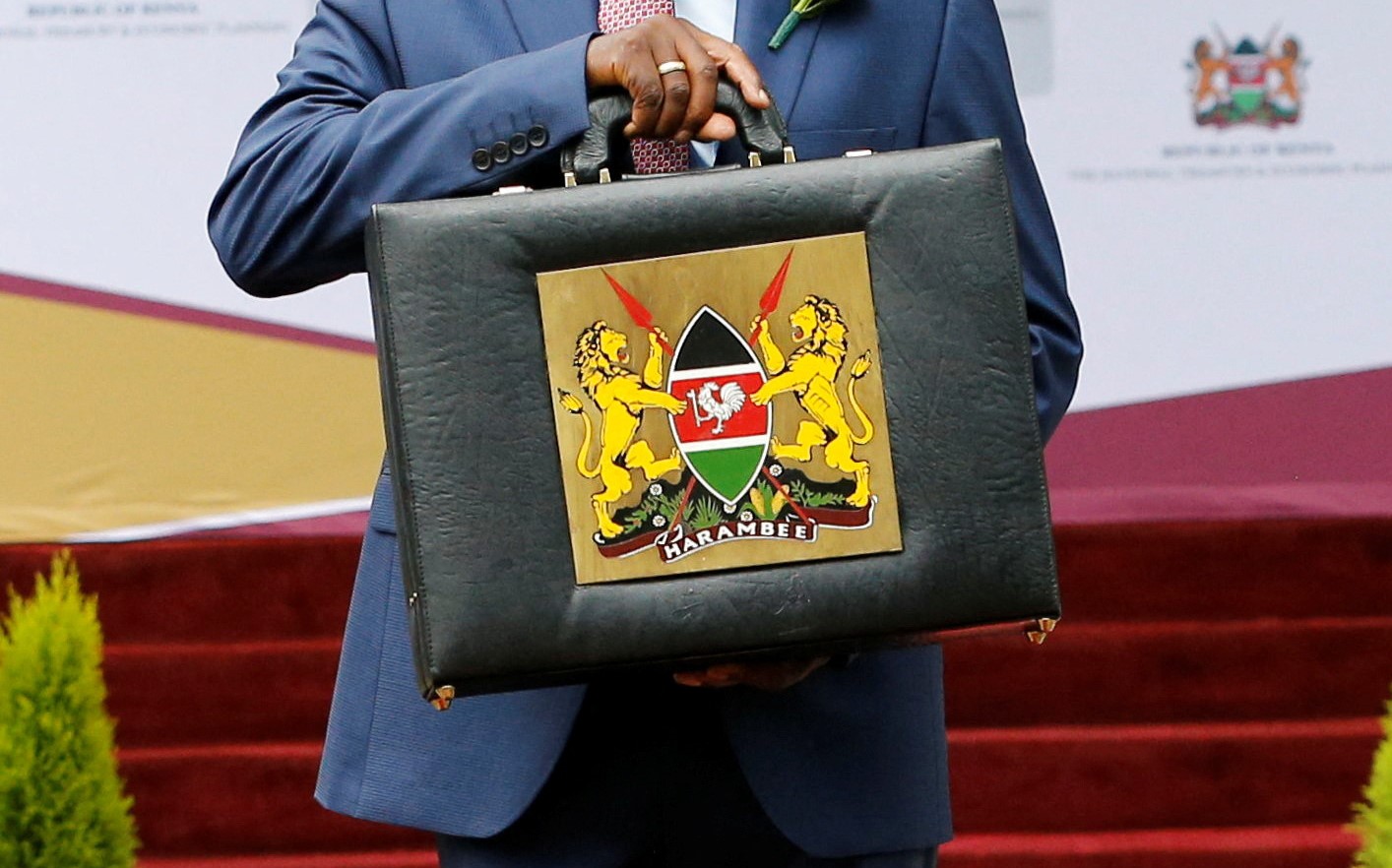
KISUMU, Kenya – As the clock ticks toward the unveiling of Kenya’s Sh4.3 trillion national budget for the 2025/2026 financial year, the eyes and hopes of the nation are fixed on what lies within its pages.
Across households, workplaces, and digital platforms, ordinary Kenyans are waiting—not for grandeur, but for practical relief.
Treasury Cabinet Secretary (CS) John Mbadi has hinted at a “common man’s budget,” a statement that has ignited a flicker of cautious optimism across the country.
“After years of economic turbulence, post-pandemic shocks, high inflation, and mounting public debt, Kenyans are no longer just seeking promises—they are demanding policies that reflect their lived realities.”
For millions of citizens, the issue is not the magnitude of the budget, but the impact it has on their everyday lives.
The true measure of any fiscal blueprint lies not in its numbers but in its ability to restore dignity, fairness, and a sense of economic breathing room.
The rising cost of living
The rising cost of living has become an unrelenting burden. From supermarket shelves to petrol stations, prices continue to rise while incomes remain stagnant.
Inflation has not only strained household budgets but also fueled frustration and a growing distrust in government policy.
The introduction of punitive tax measures in recent years has only compounded this hardship, prompting a national outcry that cut across generational and political lines.
In this context, the government’s pledge to reduce the cost of basic commodities is a welcome and much-needed step. It signals a shift, however modest, towards aligning national priorities with public needs.
“A budget that genuinely prioritises food security, energy affordability, and essential services would send a powerful message: that the government is finally listening.”
CS Mbadi, in his recent public remarks, appears attuned to this urgency.
His emphasis on crafting a budget that delivers economic stability, eases financial pressure on households, and stimulates sustainable growth is both timely and necessary.
Ballooning Public Debt
Kenya’s economy cannot afford another year of fiscal detachment. With public debt nearing unsustainable levels and inflation biting into disposable income, the 2025 budget must act as more than a balancing ledger—it must become a vehicle for economic recovery and inclusive development.
The working class, especially, has borne the brunt of inflation. From unga (maize flour) to fuel, basic necessities have become luxuries for many.
The price hikes have outpaced wage increases, shrinking household savings and feeding public anxiety.
To restore confidence, the government must not only keep inflation within the Central Bank’s target range but also adopt people-centred economic policies that prioritise affordability and access.
Critically, the government must draw lessons from the fierce backlash against the Finance Bills of 2023 and 2024
“The strong resistance, led by a vocal and mobilised youth movement, was a reflection of a wider societal frustration with policy decisions that seemed disconnected from everyday hardships.”
The eventual withdrawal of those proposals was a commendable move, one that helped ease tensions and opened the door for a more constructive national dialogue.
It is encouraging, therefore, that CS Mbadi has publicly committed to avoiding the introduction of new punitive taxes in the upcoming budget.

This assurance is vital, particularly at a time when public trust in government is fragile and fiscal fatigue is widespread.
Let it be clear: Kenyans are not opposed to taxation.
“They understand that taxes are the lifeblood of national development—essential for financing infrastructure, education, healthcare, and public services.”
Broaden the Tax Base
What they seek is tax justice: policies that are fair, transparent, and sensitive to their economic realities. They want a tax regime that supports, rather than suffocates, small businesses and low-income earners.
Instead of overburdening those already in the tax net, the government should focus on broadening it. The informal sector—which accounts for over 80 percent of employment in Kenya—remains largely untapped in terms of revenue collection.
This is where innovation is most needed. By formalising this sector, reducing tax evasion, leveraging digital tax tools, and educating citizens on compliance, the government can create a more inclusive and sustainable fiscal system.
The public also expects a more participatory and transparent budget process.
It is promising to see the Treasury open avenues for public input as part of the formulation phase.
But this participation must be substantive, not symbolic. Kenyans will be watching to see whether their voices, collected through forums, submissions, and surveys, translate into actual policy decisions.
Key concerns remain:
-Will there be increased allocations for agricultural subsidies to lower food prices?
– Will small and medium-sized enterprises receive tangible tax relief and easier access to credit?
-Will county governments be adequately resourced to deliver critical services?
Kenya needs a Practical Budget
These are not abstract questions—they are the everyday concerns of wananchi struggling to survive and build better futures.
As we approach June, the budget speech will be more than just an economic document. It will be a reflection of leadership priorities and national direction.
“Will it offer real hope, or simply recycle old rhetoric? Will it protect the most vulnerable, foster opportunity, and promote shared prosperity—or maintain the status quo?
This is CS Mbadi’s opportunity to chart a new course—one marked by empathy, fiscal responsibility, and bold reforms.
Kenya doesn’t need a flashy budget with lofty projections. It needs a practical one that delivers results: one that feeds the hungry, supports enterprise, funds healthcare and education, and offers a path to inclusive growth.
Ultimately, that is the kind of budget Kenyans want—and deserve.
The author is a media consultant, a senior writer at People Daily, and a regular commentator on governance and democracy.