KISUMU, 13th Nov. 2026 – Fishermen and fish traders in Kisumu have told the government to first fix long-standing problems bedevilling Lake Victoria before pumping more money into the blue economy.
Speaking during a public participation forum on the draft Maritime Investment Policy and Incentives Regime, the stakeholders said misplaced investments, industrial pollution, theft of fishing gear, lack of life jackets, and unclear Kenya-Uganda lake boundaries continue to kill their livelihoods.
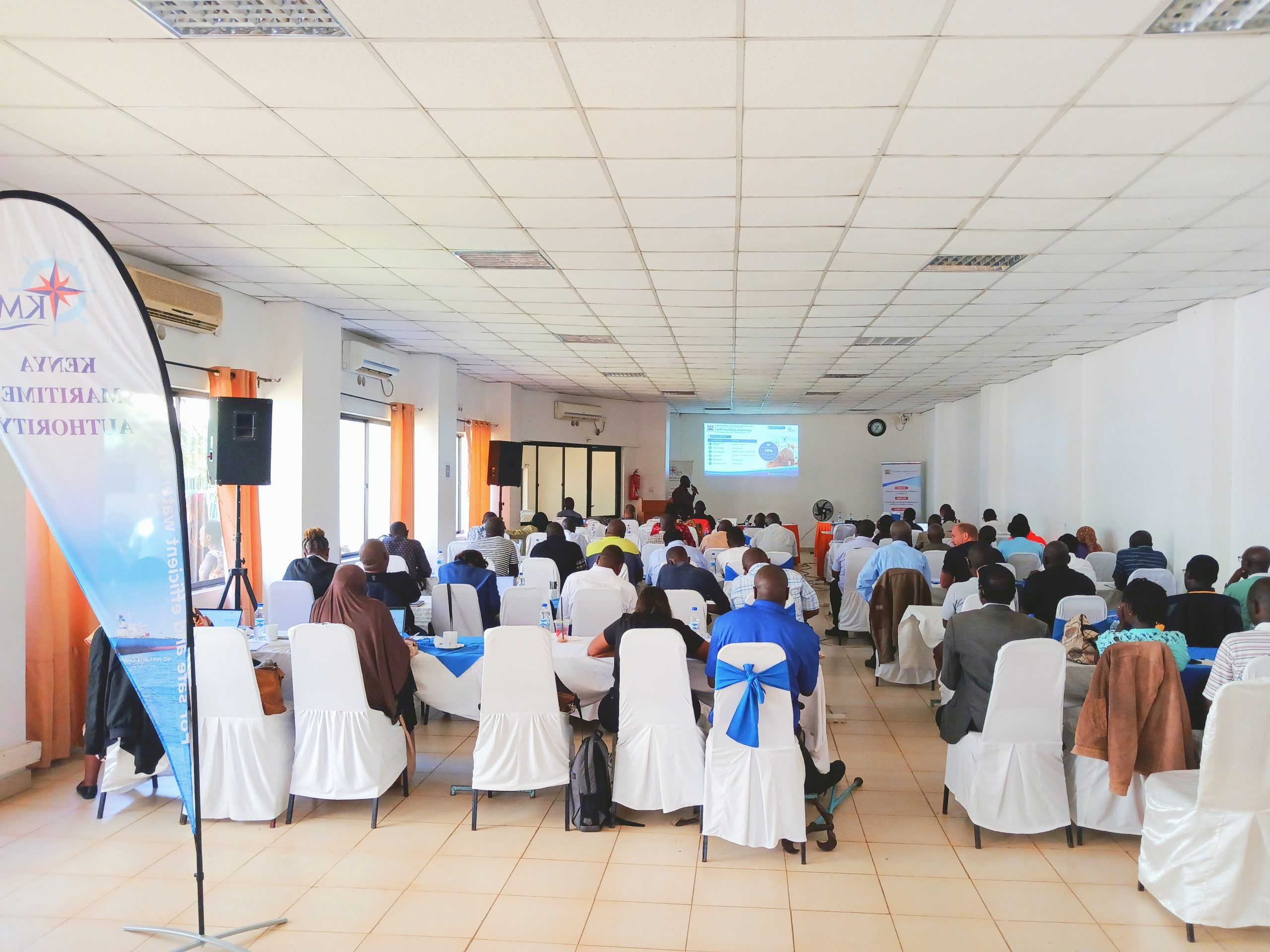
The forum, organised by the State Department for Shipping and Maritime Affairs in collaboration with the Kenya Maritime Authority (KMA), was held in Kisumu to collect views from lake region stakeholders. Similar forums have already been held in Lamu, Kwale, Mombasa, Kilifi, Nakuru and Naivasha, with Turkana set to be the last stop.
Fish stakeholders George Olewe and Romanus Odhoch, a resident of Dunga Beach who also has investments in the lake, said they had listened keenly to the government presentations on maritime transport, shipbuilding and repair, and maritime safety — but said those promises will mean nothing if basic problems are not addressed.
“First and foremost, we have had what we call misplaced investment,”they said.
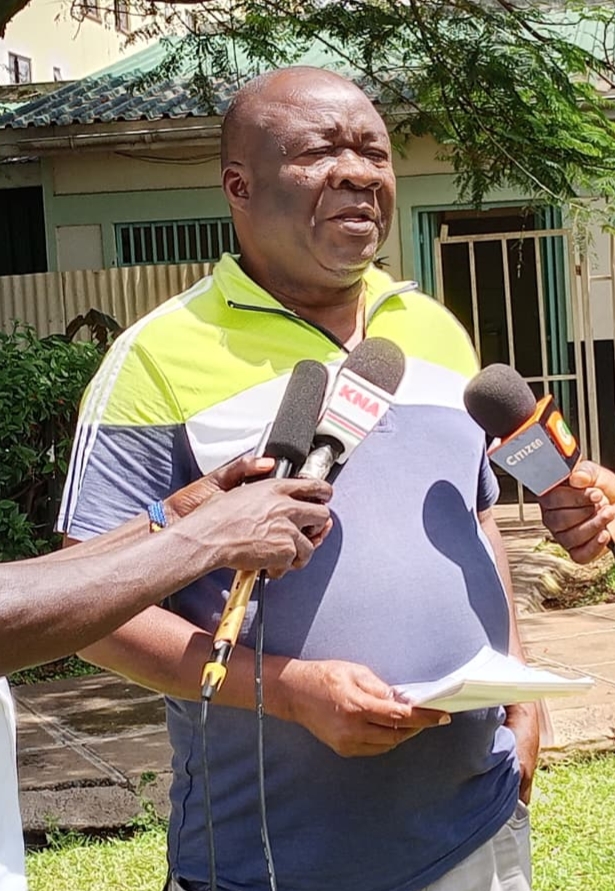
“What do I mean by misplaced investment? Fish is supposed to come from Lake Victoria, but you find the fish processing plant is built in Thika. Maybe whoever decided that, there was some politics involved at that particular time. This policy should address that, so that when we have a fish processing plant, it should be put near where the fish is coming from, around Lake Victoria.”
Odhoch noted that industrial waste and lake poisoning had become a matter of life and death for fisherfolk.
“Before we put a lot of money into the lake, industrial waste should be addressed. Recently we had a lot of fish dying in the lake, and part of the reason is because of industrial waste from Kibos Sugar,” he said.
He also raised theft of fishing gear and fish cages, a problem he said has left many families destitute.
“You put your net in the lake, somebody else comes and takes your fish. Tomorrow when you come, you find there are no fish. They even steal from our fish cages,” he lamented.
On safety, Odhoch said many fishermen continue to die in the lake simply because they lack life jackets.
“We have got so many of our fishermen dying in the lake simply because of lack of life jackets. I am glad the officials here have said they are going to do something about it. Life jackets are very important for fishermen,” he said.
He also flagged the unresolved Kenya-Uganda boundary on the lake, which he said exposes Kenyan fishermen to harassment and arrest.
“Fishermen do not know exactly where the boundary in the lake between Kenya and Uganda is, and as they say, fish have no boundary. You find some fishermen from Kenya fish until they pass the border. When they pass the border, they undergo a lot of problems. Before we put more money in the lake, surveyors should come and show us where we should fish and where we should end, so that we know our exact boundary,” he said.
Responding to the concerns, officials said the draft policy is designed to bring coherence, attract investment and make Kenya a competitive maritime destination.
Joseph Kapeku, Director of Maritime Trade and Development at the Kenya Maritime Authority, said the Constitution requires any policy to undergo public participation to obtain views and input from stakeholders so that it responds to their needs.
“The policy focuses on various sectors, including fisheries, maritime transport and logistics, shipbuilding and ship recycling, container manufacturing, repairs and cleaning, ship bunkering and ship chandling,” he said.
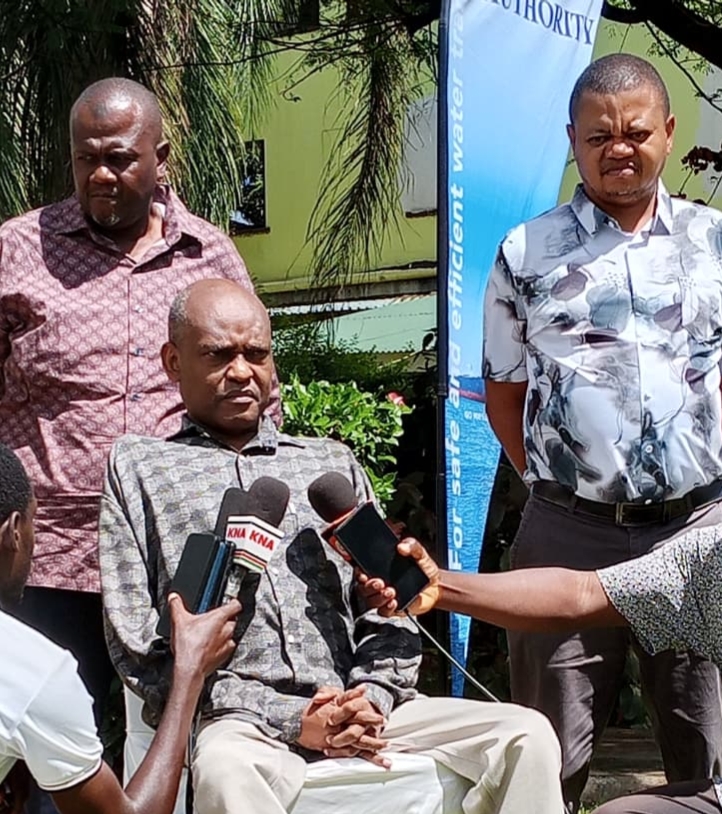
“It also has policy recommendations on maritime education and training, maritime safety and security, and green energy, among others.”
She said the policy will also guide investment in a structured manner, making registration easier for investors, and will encourage participation of communities, including women, youth and persons with disabilities.
On incentives, she said the policy proposes both fiscal and non-fiscal incentives.
“Fiscal includes capital allowances, VAT exemption, exemption from Railway Development Levy, exemption from Import Declaration Fees, and such taxation areas. Non-fiscal includes construction of infrastructure, improvement in documentation, improvement in operations and investment procedures,” she said.
Gideon Mwangi, Director of Planning at the State Department for Shipping and Maritime Affairs under the Ministry of Mining, Blue Economy and Maritime Affairs, said the maritime sector is under the blue economy, which was identified in the Third Medium Term Plan of Vision 2030 as the eighth sector under the economic pillar, and later as a key value chain under the Bottom-Up Economic Transformation Agenda (BETA).
“Look at our ocean. We have an ocean which is about 640 kilometres in length and an Exclusive Economic Zone. When you put it in totality, it is about half of Kenya. You would expect half of Kenya to have huge investment resources. These investment incentives have not been exploited,” Mwangi said.
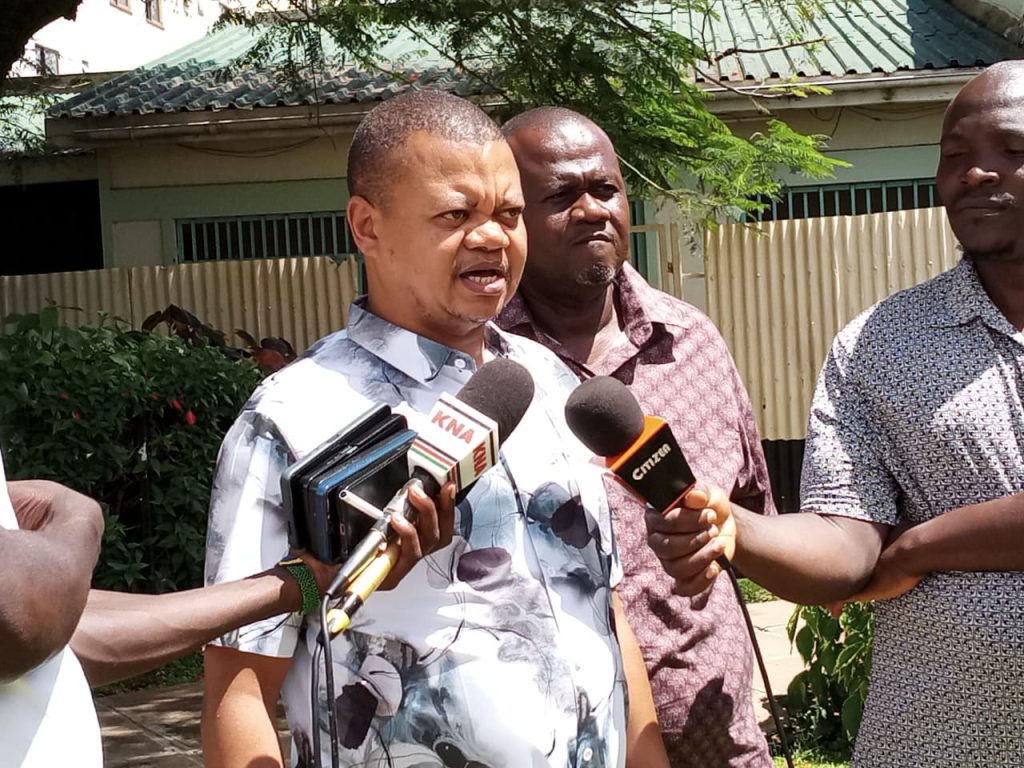
He said Kenya also has huge inland waters, including Lake Victoria, Lake Naivasha and Lake Baringo, totalling about 10,700 square kilometres, with fish, minerals and other resources that have not been fully exploited.
“The draft incentive regime has several incentives. We have fiscal incentives, where we have tax breaks and tax reliefs, which affect both big players and small players. Small players here, for example, the fish folks who are going to buy fishing nets, will have tax breaks in some of these areas. At the same time, this policy is supposed to bring in the issue of financing so that we have adequate finance to invest in this sector,” he said.
He added that Beach Management Units (BMUs) are major stakeholders whose input will be considered in the final draft.
Juma Ahmed, Deputy Director, Ports and Shipping Services, said the government has an ambitious target to become a global supplier of maritime human resources.
“There is a shortage in the global market, and shipping lines are looking to diversify their supply of labour. We are targeting at least 2,000 people being employed in the maritime sector on board ships every year. For us to achieve that, we have to support training institutions and also attract private universities to offer these courses. That is why the policy is advocating for tax relief or tax waiver on training aids used in the maritime sector,” Ahmed said.
He said Kenya currently receives about 1,800 ship calls at the Port of Mombasa every year, but only 260 take bunkers at Kenyan ports because it is not attractive enough.
“We need to build ships, and the current facilities cannot accommodate bigger ships. We want to attract more investment so that we can handle 400-metre vessels. Currently, we can only handle 150 metres within our yards,” he said.
On Lake Victoria safety, Mwangi said the government is setting up a Regional Coordination Centre in Kisumu and rescue centres in Busia, Siaya, Migori and Homa Bay to ensure quick response to accidents on the lake.
“We have a project we are undertaking under this lake to ensure maritime safety and security, so that everybody who goes to the lake is secure. In case of an accident, we can respond very quickly,” he said.
Officials said the draft documents are available on the websites of the State Department for Shipping and Maritime Affairs and the Kenya Maritime Authority.
Stakeholders can submit views through physical memoranda or via email addresses provided on the websites. The deadline for submission is the end of this month, to allow the documents to be finalised.