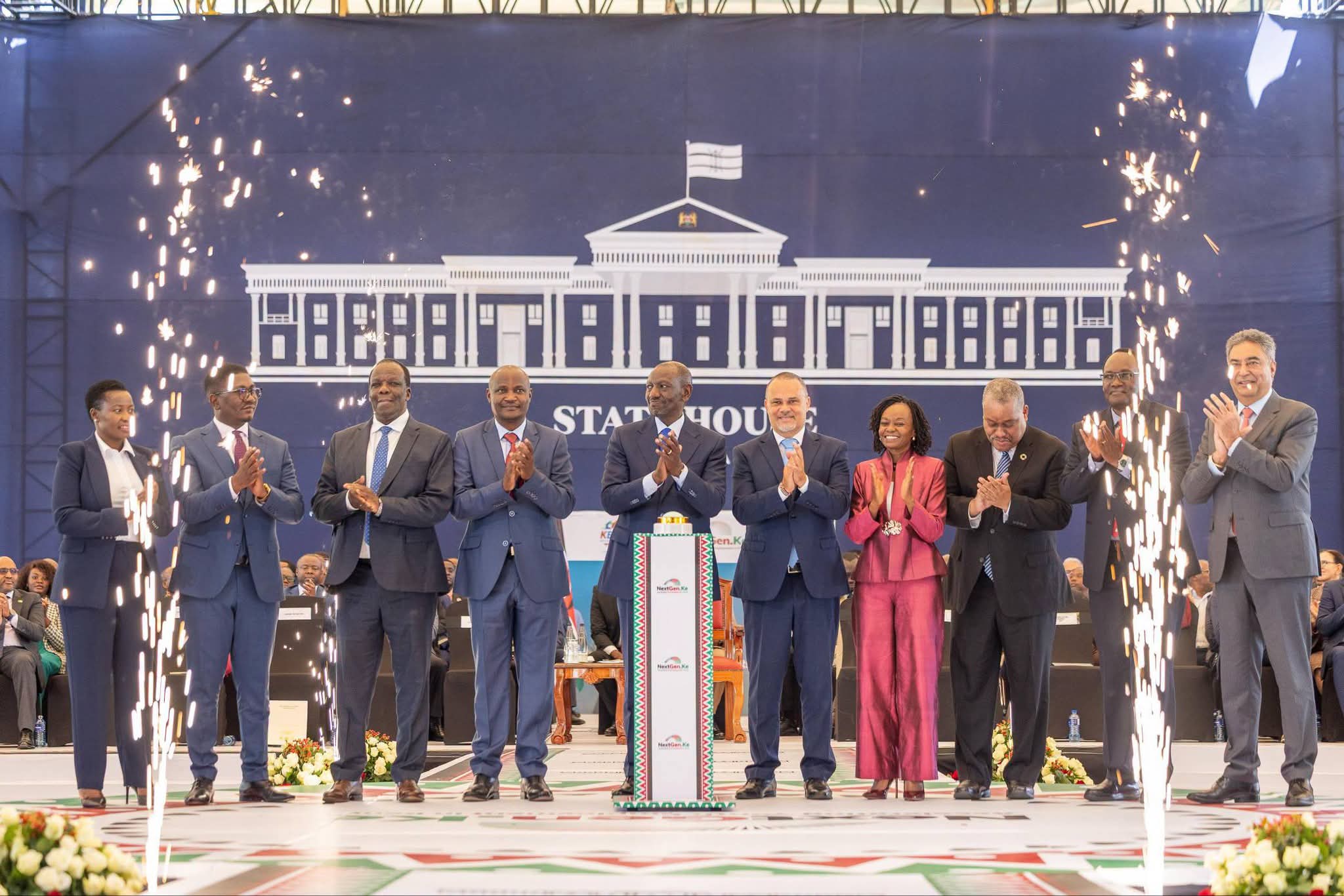
KISUMU, 10th Sept 2026 – Kisumu County Governor Prof Anyang’ Nyong’o has unveiled three transformative policies aimed at empowering informal traders, scaling up Micro, Small and Medium Enterprises (MSMEs) and modernizing the local economy from the ground up.
Developed with support from Investing in Young Businesses in Africa – Supporting Entrepreneurial Ecosystem Development (IYBA-SEED), the Kisumu County Trade and Markets Policy, Kisumu County Cooperative Development Policy and the Kisumu County Markets Bill provide a comprehensive roadmap for unlocking inclusive economic growth.
Speaking during the launch ceremony at a Kisumu hotel, Prof. Nyong’o said the policies are not mere documents to gather dust, but actionable blueprints to create a conducive environment for business prosperity.
“Under the Trade and Markets Policy, markets are the beating hearts of Kisumu’s economy. From Kibuye to Obunga and from Pap Onditi to Muhoroni, thousands of families earn their daily livelihood through commerce,” he said.
He explained that the policy establishes a modern governance structure for all retail and wholesale trading spaces across the county.
They will tackle long-standing bottlenecks through the upgrading of physical market infrastructure for dignity, safety and accessibility, reducing post-harvest losses for perishable produce, institutionalizing structured waste management systems, and ensuring fair, transparent and equitable allocation of trading spaces.
“Through this policy, we guarantee that trading spaces in Kisumu will be safe, organized, resilient and fully responsive to the evolving needs of both traders and consumers,” Nyong’o said.
The second pillar, the “Buy Kisumu, Build Kisumu” initiative, is an intentional commitment to prioritize local production and consumption.
“Our economic sovereignty depends on our willingness to support our own producers. The ‘Buy Kisumu, Build Kisumu’ policy ensures that money spent in Kisumu stays in Kisumu to create sustainable local jobs,” the Governor said.
He noted that whether it is agricultural produce, value-added food products, textiles or technical consultancy, the policy will create direct market access for local SMEs and give home-grown industries a competitive platform at regional and national levels.
Nyong’o further directed all county departments to immediately align their procurement, planning and development strategies with the policy.
The county boss added that the cooperatives have historically been the engine for economic aggregation, allowing people to pool resources, build savings and access credit.
He recalled that Nyanza was one of the first regions in Kenya to have a locally organized cooperative movement in the 1940s with stores in Maseno, Bondo and beyond that imported goods previously only found in Asian shops.
The new Cooperative Development Policy modernizes governance across productive, artisanal and financial cooperatives through three interventions such as robust compliance mechanisms to protect members’ hard-earned savings; capacity-building frameworks to professionalize cooperative management; and value chain integration to link smallholder producers directly to wider markets.
“By strengthening our SACCOs and cooperatives, we guarantee that our traders, farmers and young entrepreneurs gain reliable access to affordable credit and collective bargaining power,” he said.
Prof Nyong’o thanked IYBA-SEED, Expertise France, EU Global Gateway, GIZ, SlovakAid and SNV Netherlands for their technical and financial support throughout the formulation process. He also lauded the Department of Trade under CECM Farida Salim, technical experts, stakeholder groups and market leaders for their participation in public forums.
SNV Netherlands Project Lead Nduta Ndirangu said they found a vibrant SME ecosystem in Kisumu but identified barriers limiting growth, including fragmented market governance, inadequate financing, weak cooperatives and unfair competition from imported goods.
“We decided that supporting entrepreneurs is not enough; we must urgently strengthen the business ecosystem around them. We therefore engaged with the county government, cooperatives, SMEs, traders, women and the private sector,” said Nduta whose organization focuses on Agri-food Systems, Sustainable Energy and Water Security across Africa and Asia.
Deputy Governor Dr Mathew Owili reiterated that Kisumu’s economy is SME-driven and must be anchored on homegrown capital.
“For Kisumu to grow, the SMEs must grow, there are no two ways about it. That is the path we must follow. The Governor is earnestly working to rope in big investors,” Dr. Owili said.
He further highlighted the full operationalization of Kisumu Port, the ongoing extension of the Standard Gauge Railway (SGR) to link Kisumu to the Port of Mombasa, and the upcoming Special Economic Zones (SEZ) hub as game changers.
On her part, CECM for Trade, Tourism, Industry and Marketing Farida Salim said the department is committed to providing an ecosystem that supports all businesses to thrive.
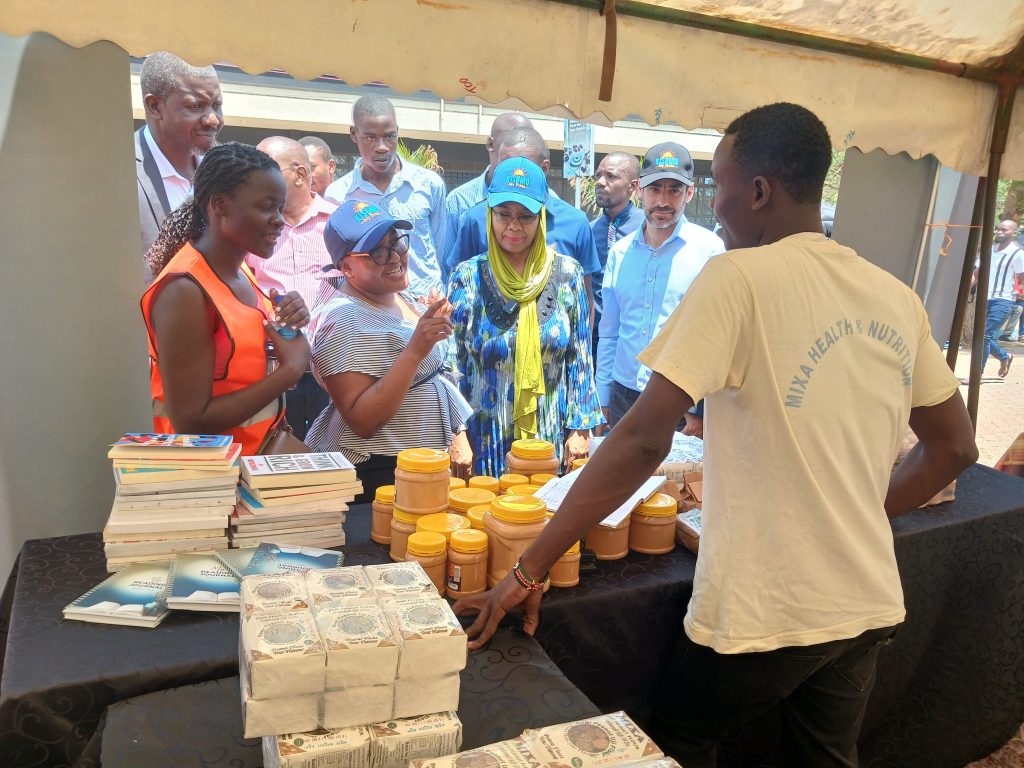
The policies launch also runs concurrently with a two-day Street Trade Fair along the busy Jomo Kenyatta Highway within the Central Business District.
“The launch of a policy is the beginning, not the finish line. Our ultimate success now depends entirely on seamless execution,” Nyong’o stated.
“To our business leaders, market committees and SACCO boards, I call upon you to fully embrace these guidelines and work hand in hand with our administration. Together, we are laying the bedrock for a competitive, inclusive and self-sustaining Kisumu.”