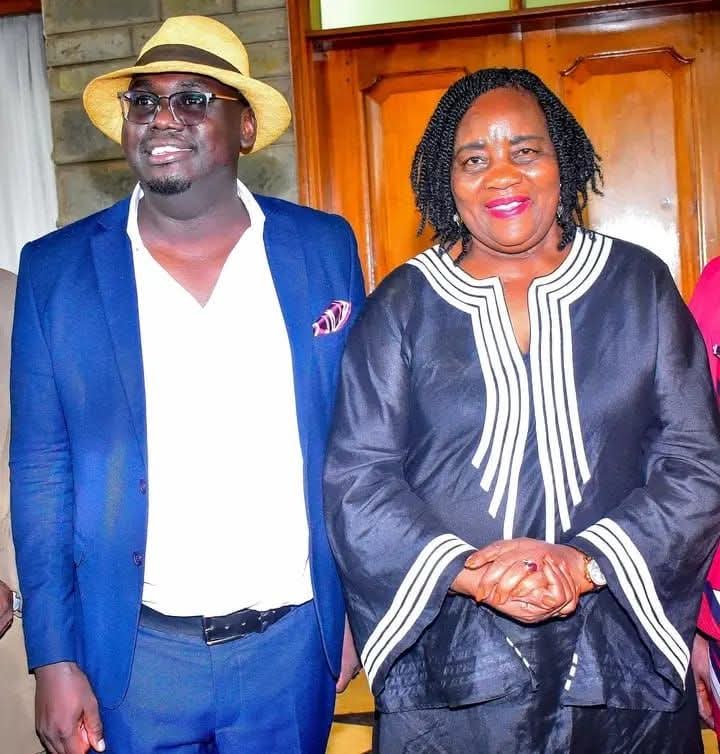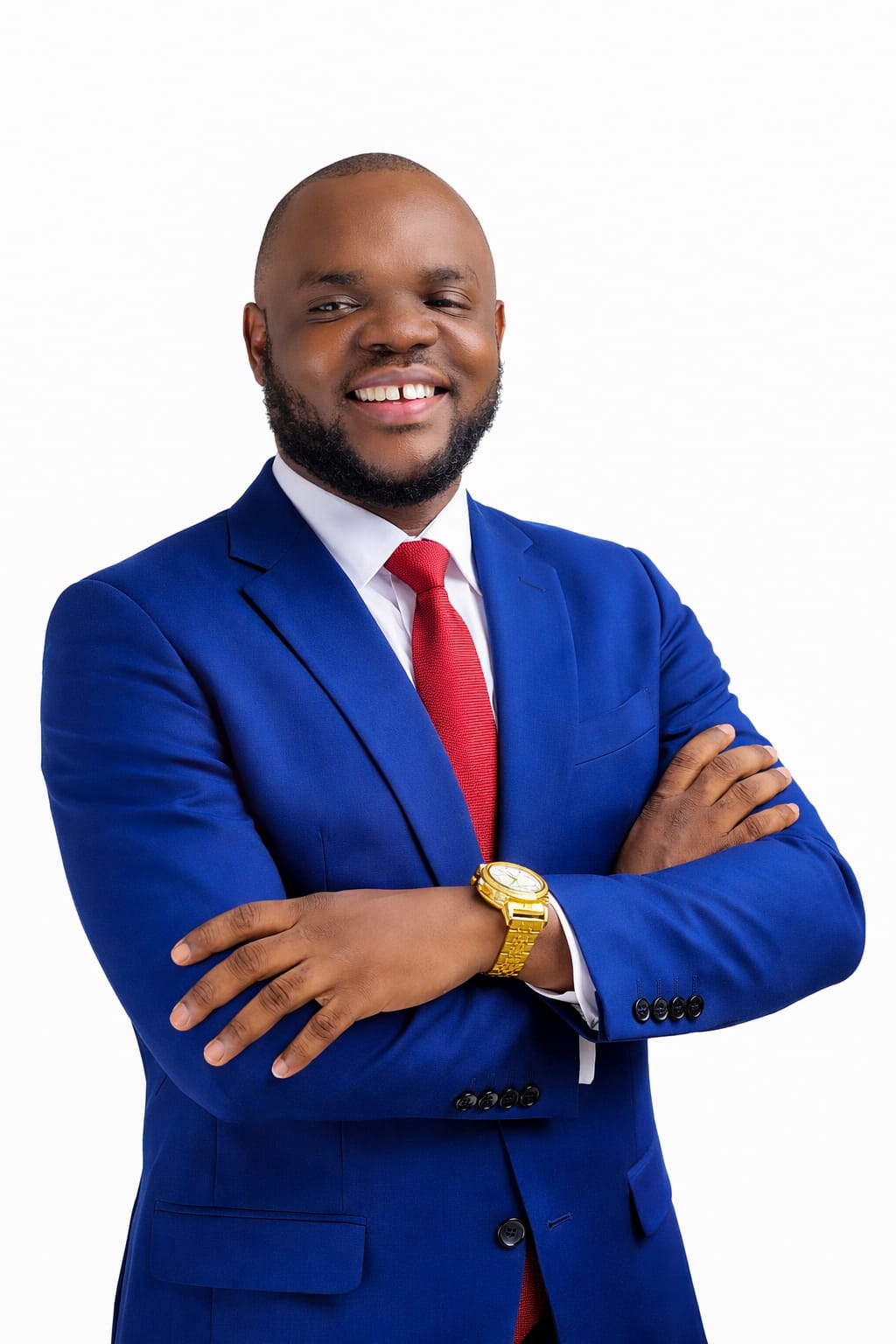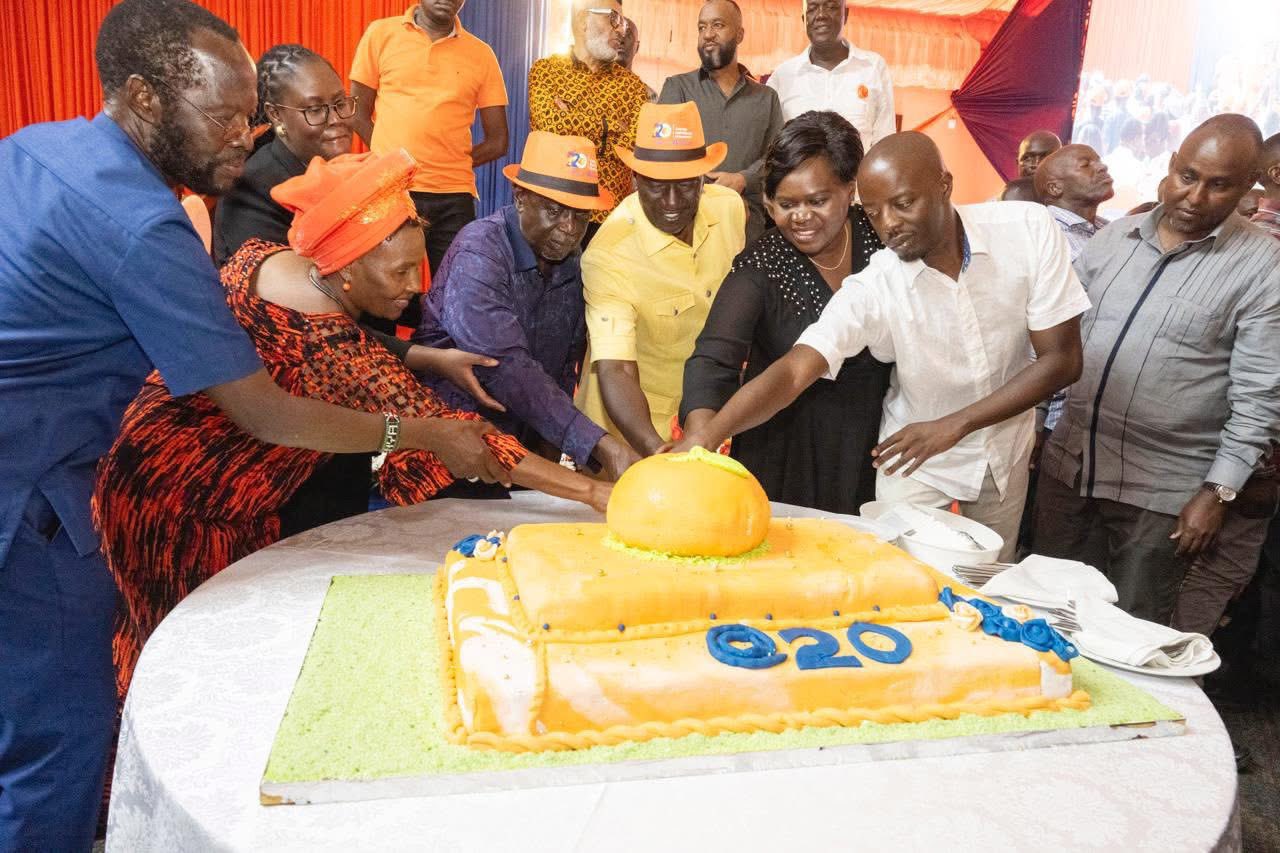
Dr Joannes Atella advises on the following strategic directions to be considered
KISUMU, Kenya, 18th February -I have been following the debate on the future of the ODM Party and its role in the current Kenyan political landscape closely. There are arguments in some corners that ODM is dead following the death of its founder, Hon Raila Odinga. I beg to disagree. Far from it!
Renowned for his resilience, political acumen, and determination, the late Raila Odinga guided ODM to become one of Kenya’s leading parties, influencing the nation’s leadership trajectory. In the 2007 elections, ODM achieved a historic outcome by challenging the incumbent government in an intensely disputed election, which led to significant post-election unrest.
Political Dominance
The movement secured a majority in seven out of eight provinces and obtained the highest number of parliamentary seats at that time, further establishing its political dominance. Notably, ODM won three of five by-elections in early 2008, making subsequent electoral results difficult to interpret.
Fast-forward to the 2022 elections, ODM formed Kenya’s largest coalition alongside Wiper Democratic Movement and, with outgoing presidential support, was widely anticipated to secure the presidency. Nonetheless, the coalition narrowly lost by approximately 200,000 votes to the current President William Ruto.
In October 2025, ODM experienced an unprecedented setback with the passing of its founder and leader, Hon Raila Odinga, following medical treatment in India. This event created a leadership vacuum and exposed the party to both internal and external challenges.
Facing transitional uncertainties, the appointment of Dr Oburu Odinga as interim leader represented a strategic decision, providing stability during a critical period.
Concurrently, Party Chair Hon Gladys Wanga’s efforts have invigorated ODM, helping maintain its active status.

Presently, ODM plays a central role in pre-election negotiations with the ruling United Democratic Alliance (UDA), following initiatives such as the broad-based government arrangements and the Kilifi Declaration.
Nevertheless, the party faces notable internal tensions – some members favour established leadership structures led by Dr Oburu, while others, seek greater influence within the party. These developments highlight ongoing discussions regarding future direction and inclusivity.
Internal Rift
Despite internal challenges, ODM remains the most dynamic national party, retaining considerable capacity to negotiate for key government positions, notably the deputy presidency and other positions. However, these opportunities are also sought by other regional parties and stakeholders. Under current circumstances, there is potential for the state to maintain ODM voting support while diminishing ODM’s bargaining. Political dynamics in Central Kenya, shaped by Rigathi Gachagua’s influence, suggest limited prospects for straightforward negotiations between the President and this central region.
While Gachagua may not be universally supported, his actions have created some relief between the central Kenya voters and the president.
This means the president has to scope for new opportunities from the western belt (Nyanza, Western, Kisii) and minority groups such as the Somali community. This arrangement elevates ODM’s strategic value in pre-election coalition talks with the President.
However, to achieve the most outcome out of this, ODM must now navigate a complex and evolving political landscape, balancing diverse interests and managing power relations in the absence of its visionary founder- BABA RAILA AMOLO ODINGA.
Some of the possible strategic directions for the ODM party include:
Assess Current Status and Opportunities
One, ODM should conduct a comprehensive review of its support bases, numerical strengths, and prevailing challenges through an internal team and targeted forum discussions.
Expand Membership Nationwide
Two, buildings on county consultative forums initiated by the Party Leadership, ODM should transition these engagements into robust membership drives to consolidate its base.
Develop Inclusive Frameworks
Three, ODM must revise governance structures to accommodate both established and emergent leaders, ensuring inclusive participation across all stakeholder groups, including the Gen Z movement.

Target Voter Registration in Strongholds
Four, Effective negotiation depends on a strong electoral mandate. ODM should intensify voter mobilisation efforts in traditional strongholds such as Nyanza, Western, Kisii, and the Coast region to counter competition from emerging local parties.
Negotiations beyond elective offices
Finally, the party must view negotiation with the government as not only about elective positions. It’s a holistic package including several government positions including the Ministers, Permanent Secretaries, Departmental Directors, Ambassadors, Parastatal Heads among others. The ODM must build its ecosystem of best bet candidates to bargain for these positions not only politically but also in terms of merit.
After all the president, if elected for the second term, will be more interested in legacy, delivery than theatrics. ODM’s value in the government itself as the saviour in this regard.
With the above actions, I am convinced that ODM is relevant and provides a beacon for the future. It is my hope that we will lessen the noise and focus on a trajectory of reconciliation, growth and good governance in line with the values of the Party’s founding Father Raila Amolo Odinga.
The writer Dr Joannes Odiwuor Atella is currently the President of Climate Change Africa, and a parliamentary aspirant for Nyakach Constituency.