
KISUMU, Sept 2026 – Traders, bar owners, tobacco farmers, and residents in Kisumu have rejected the Tobacco Control (Amendment) Bill 2024, claiming its proposals are punitive and will harm livelihoods.
During a public participation forum at Tom Mboya Labour College organised by the National Assembly Departmental Committee on Health, chaired by Dr James Nyikal (Seme MP), stakeholders expressed their preference for enforcing the existing law, the Tobacco Control Act 2007.
Bar owners criticised the practicality of raising the legal smoking age from 18 to 21, with Kisumu County Bar Owners Association Chairman Dan Ouma questioning how age verification would be managed without new IDs, stating that retailers would bear the burden.
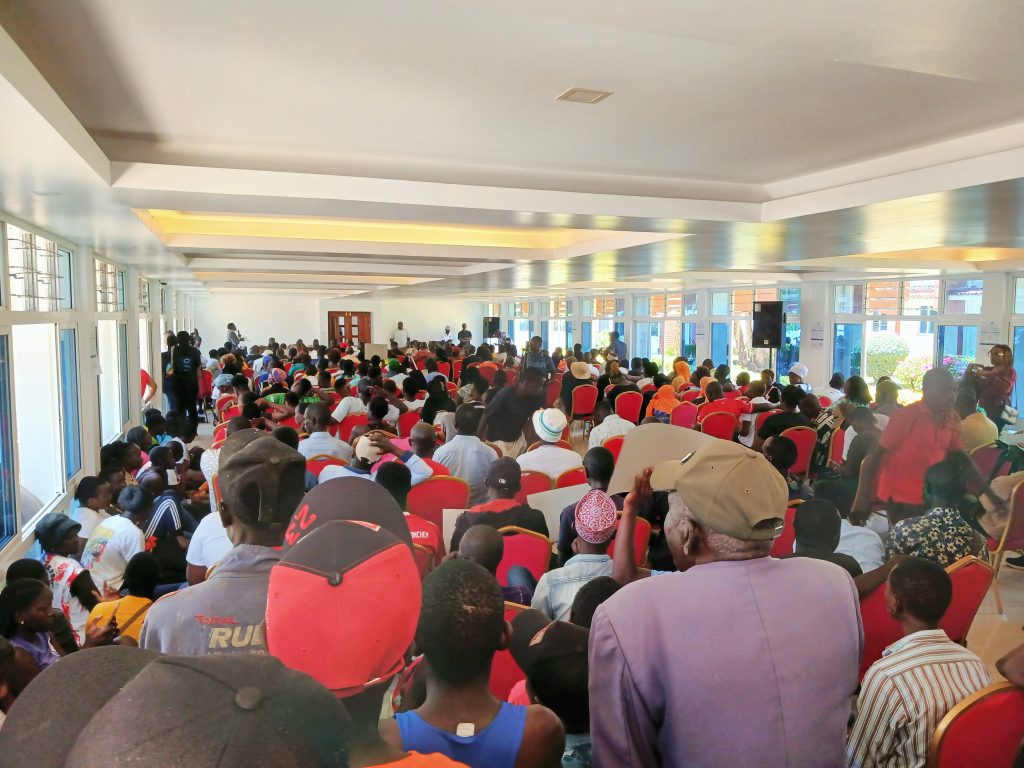
Stakeholders noted that designated smoking areas already exist in clubs and hotels. The Bill proposes issuing a new licence from the Ministry of Health to operate a smoking zone, which they regarded as an extra cost. The Western and Vihiga Bar Owners associations pointed out that bars already pay up to 30 county and national licences, and an additional tobacco licence could lead to closures and job losses.
The proposal to prohibit tobacco sales within 100 metres of schools, churches, hospitals, and homes was deemed unfeasible. Traders argued that Kisumu’s central business district and estates are densely populated with schools and churches, making compliance impossible.
Traders and the Retail Association remarked that a new tobacco fund and extra taxes would duplicate existing levies, such as the alcoholic drinks fund. Supermarkets explained that they already require up to 39 licences to operate, and adding tobacco-specific fees would worsen the business environment.
Hospitality operators and retailers opposed a blanket ban on flavoured tobacco and emerging nicotine products, including shisha, arguing that flavours are used in food and preferred by some adult consumers. They warned that a ban would not eliminate demand but would instead steer consumers towards the black market with more dangerous, unregulated products.

Tobacco farmers from Migori, Bungoma, and neighbouring regions, through their representatives, urged the committee to consult farmers in cultivating zones, not just urban centres. They stated that tobacco helps pay school fees and loans, and that strict laws could drive companies out and leave farmers in poverty. Shisha and bar operators claimed that the sector employs over 200 youths per establishment.
Stakeholders requested that the Bill differentiate between combustible tobacco and emerging nicotine products, asserting that their risk profiles differ and should not be subject to uniform regulation, licensing, and taxation.
Some youth and children’s rights advocates at the forum supported enhanced controls to prevent minors from accessing tobacco but called for clear, practical rules that businesses can enforce at the point of sale. They also highlighted the lack of affordable rehabilitation centres for addicts.
In its summary of the Kisumu leg of public participation, the House Committee noted that the primary concern raised was licensing clarity, with businesses worried about duplication between national and county requirements and the potential for higher costs without improved enforcement.
It also acknowledged that, while there was broad support for restricting minors’ access to products, retailers asked for workable age-check procedures that can be reliably applied, particularly in Kisumu’s transit hub environment where porous borders complicate enforcement. The team further observed concerns that tobacco sales remain a significant income source for small traders and that sudden changes could drive trade underground, impacting household earnings and county revenue.

Regarding flavours, the committee heard that adult consumer preferences should be taken into account and that removing flavoured products from the legal market could promote illicit trade, a concern intensified by Kisumu’s proximity to Uganda and Tanzania.
Stakeholders also pressed for a clear legal distinction between combustible tobacco and newer nicotine alternatives, noting that uniform treatment may cause confusion and be counterproductive for harm reduction.
PERAK National Officer Julius Thuo, present at the forum, called for a balanced approach that protects public health while ensuring practicality for legitimate businesses and safeguarding livelihoods. The committee stated that the views gathered from Kisumu will be integrated with those from other counties as it finalises its report on the Bill.