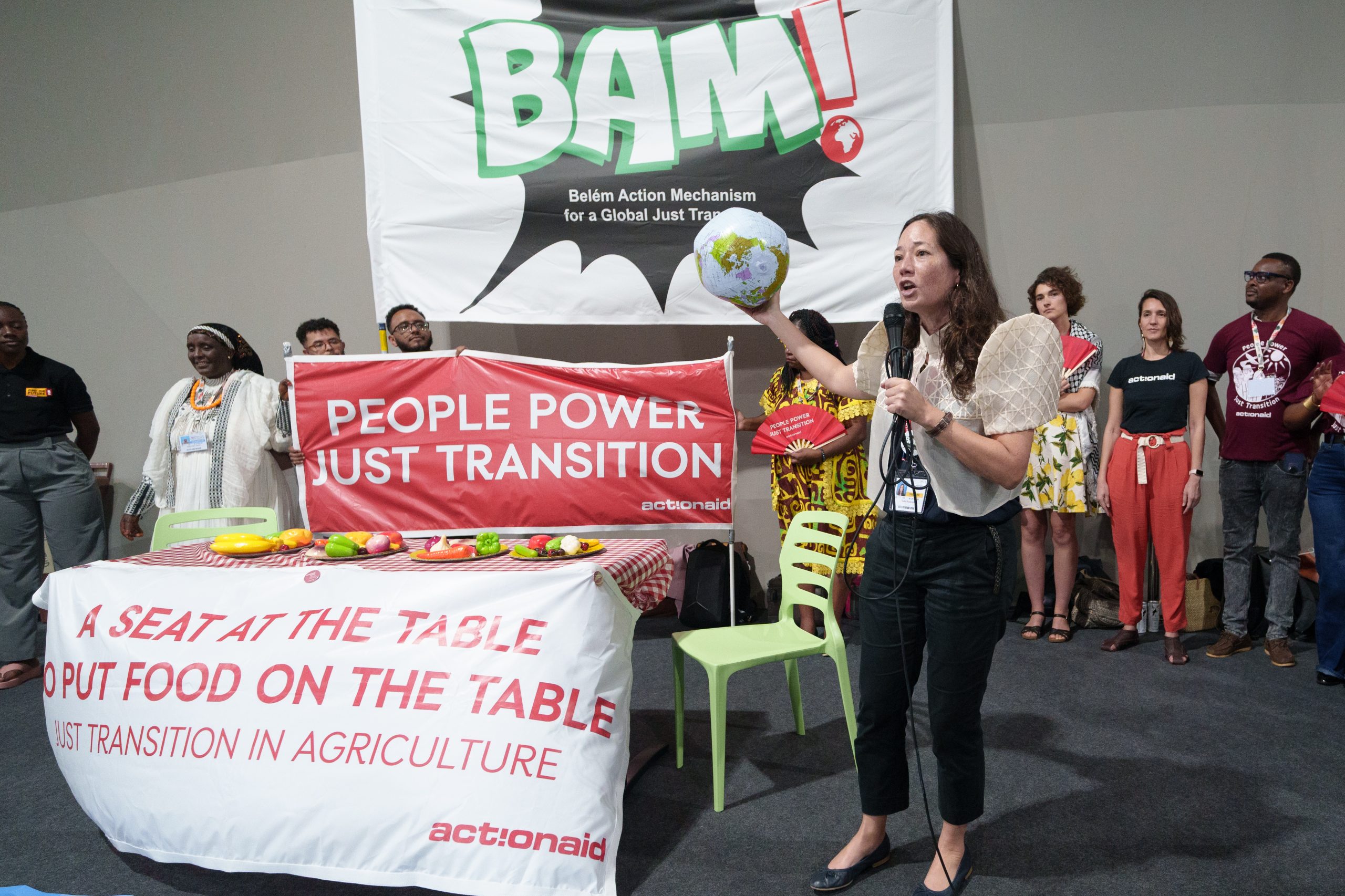
In the high-level plenaries of global climate summits, diplomatic pledges for multi-million-dollar adaptation funds are routinely made with fanfare. Panelists pronounce terms like “climate resilience,” “just transition,” and “loss and damage funding pathways.”
Yet, thousands of miles away in the dusty, sun baked landscape of Homa Bay County, Kenya, the operational reality of rural healthcare presents a stark contrast. Behind the macroeconomic metrics of climate finance lie the daily, personal costs borne by vulnerable community members.
In Kabunde Village, located in the Homa Bay Town constituency, residents face the direct consequences of local health facilities lacking climate-resilient infrastructure.
Roseline Ojuko, a mother of four resident of Kabunde, experienced the systemic gaps firsthand during a recent flash flooding and prolonged power disruptions that hit the area.
“Last year, when the heavy rains flooded the lower roads, my youngest child developed a severe fever in the middle of the night,” Ojuko recalled. “We waded through mud to reach the nearest local health center, only to find the facility in pitch darkness because the power grid had failed during the storm. The clinical officers were forced to treat patients using simple mobile phone flashlights.”
In the circumstance, running even basic laboratory tests is out of question. Critical medicines that required cold storage go to waste.
For Ojuko and her neighbors, the failure of adaptation funds to reach local clinics directly impacts their physical and mental well-being.
“We are forced to travel all the way to larger referral centers, spending money that we can ill afford on transport as the local dispensary often runs out of clean water and electricity during climate emergency,” said Ojuko.
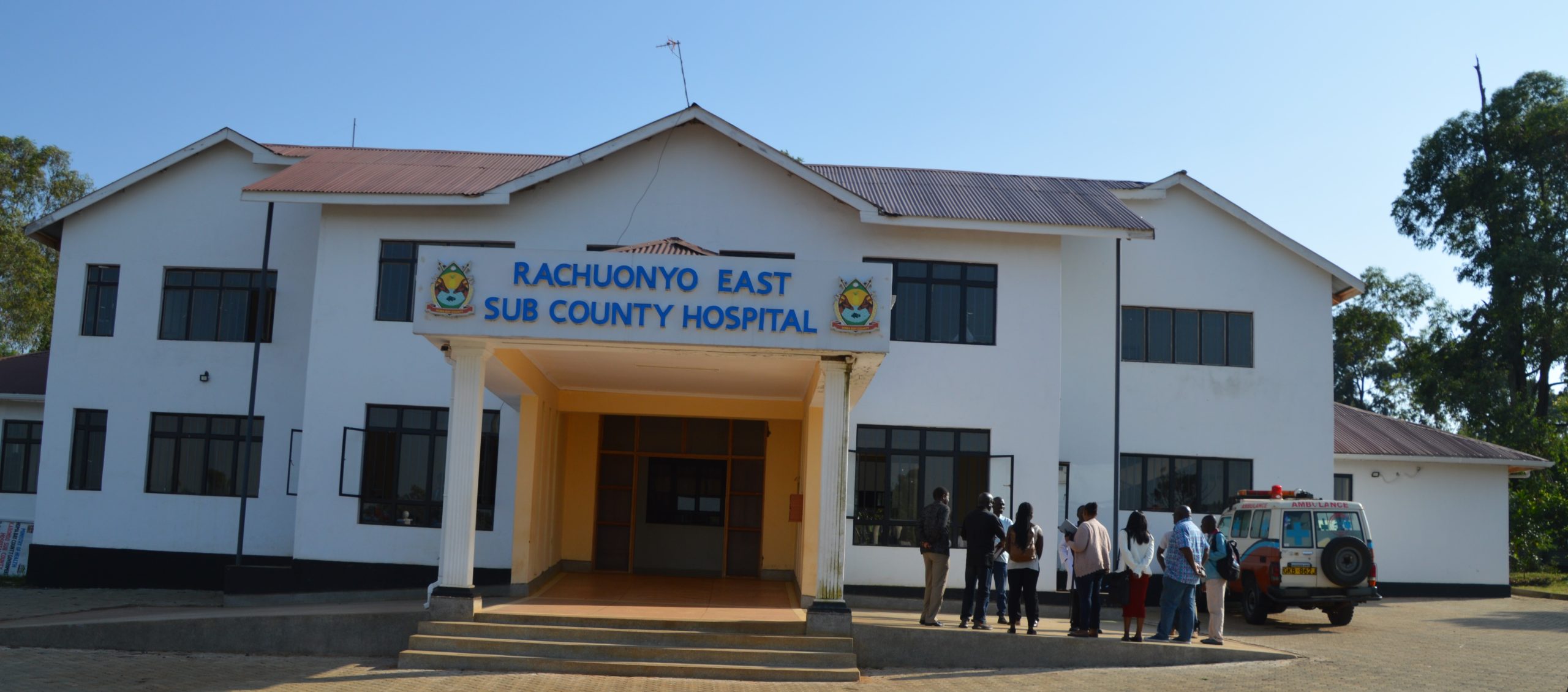
At Rangwe Sub-County Hospital, medical personnel navigate the immediate human consequences of changing rainfall patterns, shifting disease vectors, and prolonged heat waves. While international frameworks position public health at the center of the climate crisis, medical workers on the ground are at a loss as to when the promised climate financing will translate into tangible support for their wards.
The gap between global adaptation promises and frontline service delivery forms the core of Africa’s climate-health challenge. As health systems across the continent grapple with recurring climate shocks from cholera outbreaks during flood cycles to severe water shortages during droughts, the demand for climate-resilient primary healthcare has reached a critical point.
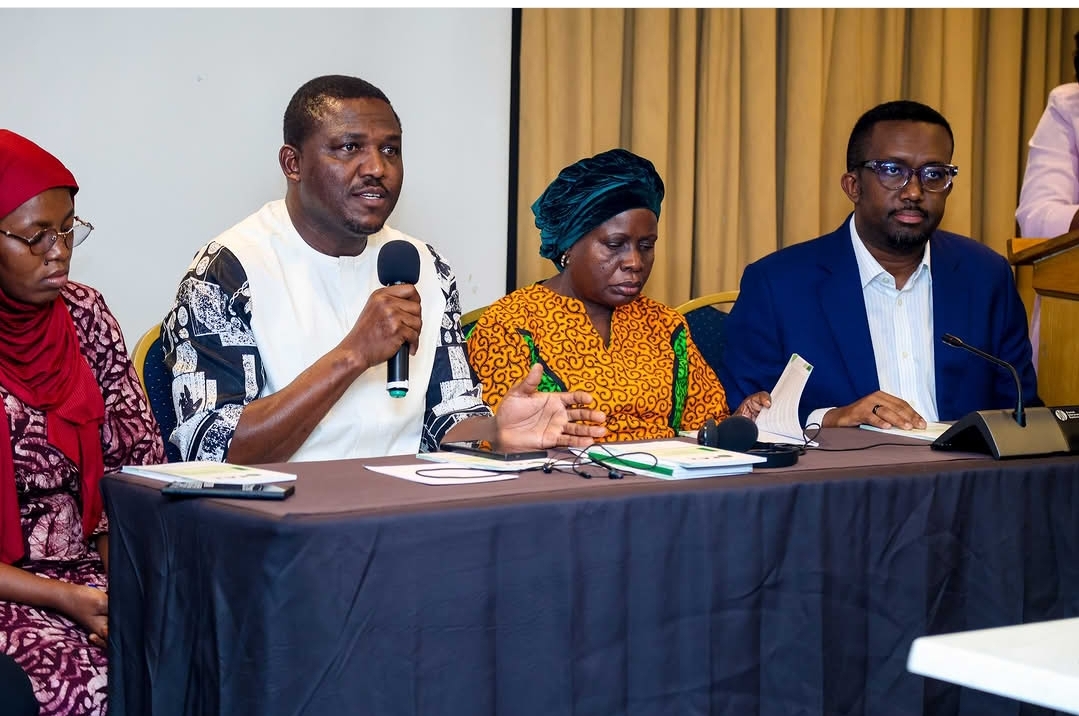
Speaking at the MESHA Journalists’ Café, Friday Phiri, of AMREF Health Africa, emphasized the need for a shift in the fundamental narrative surrounding climate change.
“Climate action is health action,” said Phiri, adding that climate crisis is already a health crisis, manifested through extreme heat, floods, drought, air pollution, and disease outbreaks.
For a long time health has been treated as a secondary consequence of climate change. Not anymore. Phiri says that health must become the ultimate measure of whether climate action is actually protecting people.”
Phiri emphasized that while high-level policy frameworks such as the Africa Climate and Health Roadmap and the revised Africa Common Position endorsed at SB64 are crucial for continental alignment, their true value depends entirely on implementation.
“Good ideas need investable pathways,” Phiri asserted. “We must ensure that climate financing moves beyond theoretical commitments into structured, trackable pipelines that support resilient infrastructure, clean energy for health centers, early warning disease surveillance, and community health networks.”
For medical personnel working in health facilities in rural areas where climate effects are most pronounced, the high level discussions of global climate funds offer little immediate relief when basic utilities fail during extreme weather events.
Dr. Omondi Ayieko, a medical officer at the Rangwe Sub-County Hospital, told Sayansi that while climate-induced health crises are accelerating, rural dispensaries and sub-county facilities remain too under-resourced to handle the changing burden.
“When people talk about global climate financing in workshops, it sounds promising,” said Dr. Ayieko. “But if you walk into a rural dispensary in Rangwe or the neighboring sub-counties today, you will find healthcare providers struggling with basic operational needs during severe weather events.
Dr Ayieko said the facilities are witnessing shifting patterns of malaria transmission, increased cases of waterborne diseases like cholera and dysentery after sudden flash floods, and severe upper respiratory infections during prolonged dry spells. Yet, he says, financial resources directly earmarked for climate adaptation in rural facilities are non-existent.
Dr. Ayieko says that, for the rural communities, climate finance means having continuous and off-grid solar power so that vaccines do not get spoilt in refrigerated cold chains when grid electricity drops during heavy storms.
“It means having solar-powered water purification systems so that a maternity ward do not run out of clean water during a three-month drought. It means equipping community health promoters with early warning tools to track disease signals before an outbreak spreads through an entire village,” says Dr. Ayieko.
Community leaders in the region have been vocal about the lack of financial accountability regarding climate adaptation allocations. John Otieno, a civic activist in Rangwe Sub-County, laments that local communities are completely excluded from decisions regarding how climate finance is spent.
“The media is awash with reports of billions of shillings disbursed to Kenya for climate resilience and environmental health programs. As community leaders in Rangwe, we ask a simple question: Where is that money going? If you visit our village dispensaries, there is no evidence of these funds. The structures are dilapidated, water harvesting systems are broken, and our community health promoters work without proper diagnostic kits or transport,” said Otieno.
He says that there is need to cut financial leakage and top-heavy administration which prevent adaptation resources from benefiting frontline populations.
“We need transparency at local and national leadership levels. Until climate finance is subjected to public audit at the grassroots level, rural communities will continue to suffer from climate shocks with little recourse,” he said.
Dr. Ayieko concurs, emphasizing that to bridge the gap, the both national and county governments must build clear, direct ring-fencing mechanisms for health-related climate adaptation.
“If the national treasury and county governments are serious about finalizing and distributing these funds, they must decentralize climate budgets directly to public health facility management committees.
This story first appeared in Sayansi Magazine ©MESHA Features