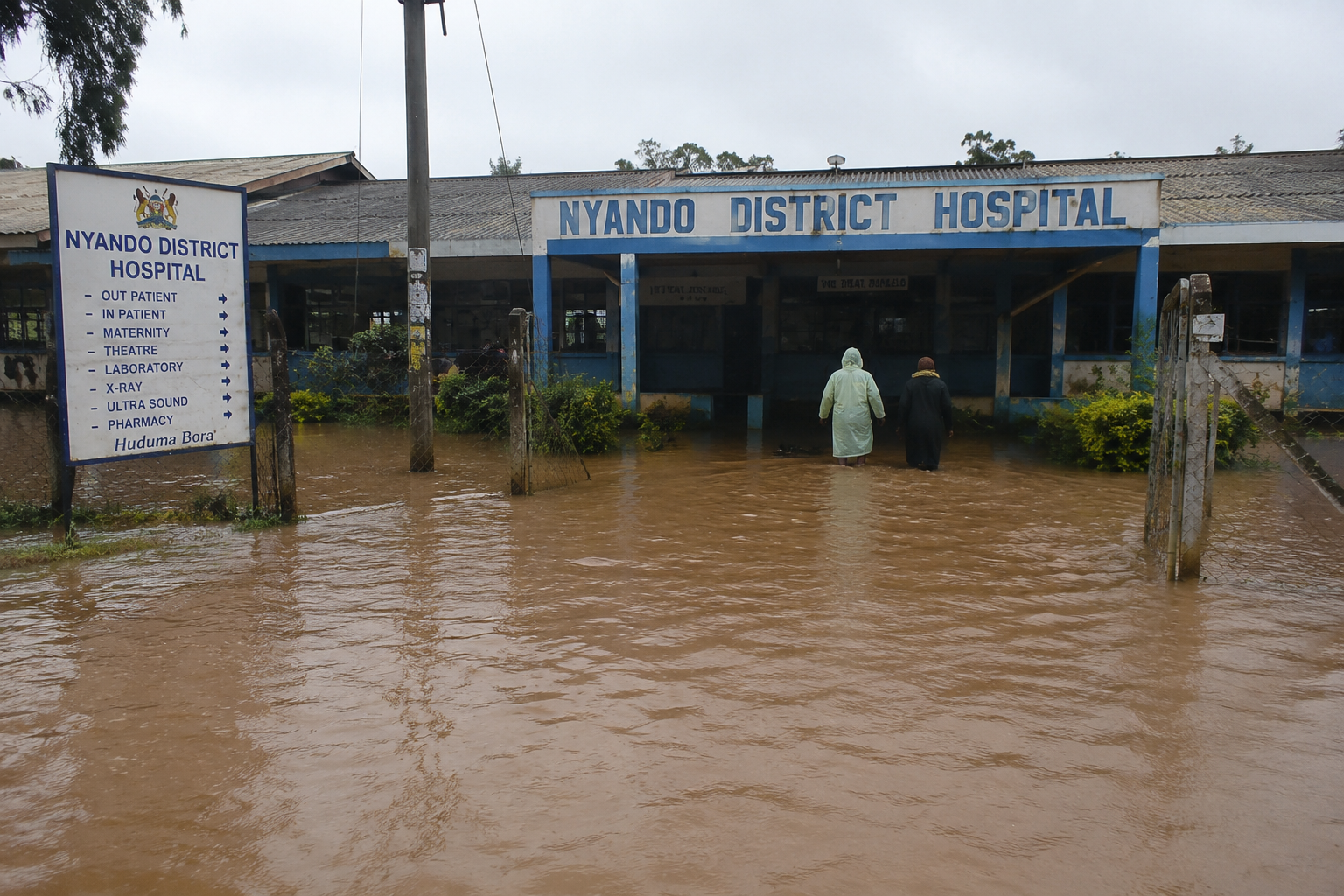
Climate change is increasingly taking a toll on the health of Kenyans, with malaria emerging in places where it was once uncommon, floods disrupting health facilities, prolonged drought worsening malnutrition, and extreme heat exposing communities to new health risks.
The growing health burden of a changing climate was highlighted during a virtual Media Science Café on the nexus between climate change and health hosted by Media for Environment, Science, Health and Agriculture (MESHA).
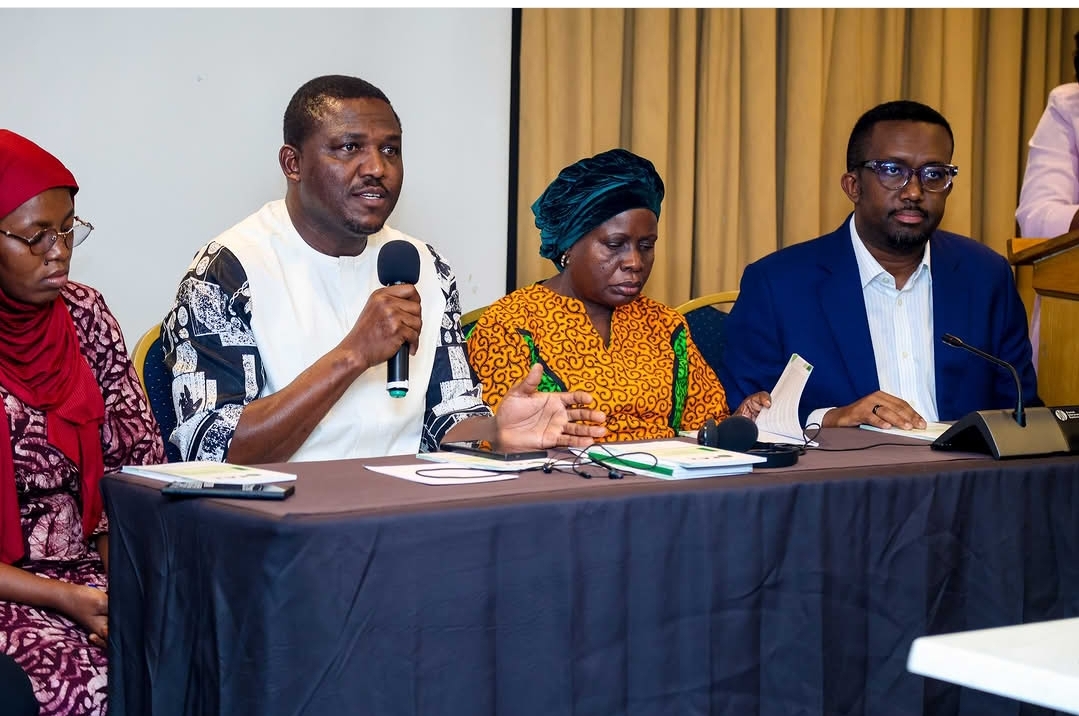
“Climate change is no longer just an environmental crisis; it is a health crisis. That is why there is a need for stronger preparedness and a shift in how climate-health risks are communicated to the public,” said Rose Mokaya, Assistant Director, Public Health, Ministry of Health, Kenya.
The session brought together journalists and experts to examine how a changing climate is affecting health in Kenya and across Africa and what the media can do to help communities understand and respond to the growing threat.
Speaking at the meeting, Mokaya said that climate change is already contributing to a range of health challenges, including malaria, cholera, heat-related illnesses, respiratory diseases and mental-health problems.
“A healthy population cannot exist on a sick planet. Partner with MOH to make climate-health a daily story, not just a crisis story. Together we can build a healthier, climate-resilient Kenya,” said Mokaya.
She also urged journalists to move beyond reporting climate disasters after they occur and instead investigate how changing weather patterns are affecting people’s health and livelihoods, as well as the solutions being developed to protect communities.
The health impacts, she noted, extend beyond disease outbreaks. Climate change is also affecting the basic conditions people need to remain healthy, including access to clean air, safe drinking water, adequate food and secure shelter.
Speaking at the same event, Friday Phiri, Climate Change and Health Advocacy Lead at AMREF Health Africa, said that the challenge extends beyond Kenya’s borders. Across Africa, extreme heat, floods, droughts, air pollution, disease outbreaks and displacement are already putting millions of lives at risk.
The solutions, he emphasized, must therefore be built into the health system itself. Among the priorities highlighted were climate-resilient primary healthcare, empowered community health workers, disease-surveillance systems and safe water, sanitation and hygiene.
He also stressed that no country or organisation can tackle the climate-health crisis alone, calling for stronger collaboration across institutions and borders. “When we are more, we have more leverage, and we have more negotiation power than you can have as a single entity or as a single country,” said Phiri.
Kenya is already responding to the climate crisis through the Kenya Climate Change and Health Strategy (2024–2029), which aims to strengthen climate-resilient and sustainable health systems and protect communities from growing climate risks.
Jack Otieno, Business Daily Chief Sub-Editor, challenged journalists to look beyond the obvious climate-disaster narrative and find the human and public-health consequences hidden underneath.
“One could pick a story on ramping up the climate defense. This is how Kenya or the government is preparing its response to climate change,” Otieno highlighted.
This story first appeared in Sayansi Magazine ©MESHA Features