When devastating floods sweep through villages and drought leaves livestock and families hungry or dead, journalists with their cameras troop to the scenes, capturing submerged homes, interviewing displaced families, televisions screens and newspaper pages begin to fill with images of cracked earth and overflowing rivers.
But as the floodwaters recede and the drought eases, so too does the media attention dissipates.
What often disappears with the headlines are the health consequences that linger long past the events. These include the cholera outbreaks triggered by contaminated water, rising malaria cases as stagnant pools become mosquito breeding grounds, respiratory illnesses linked to poor air quality, heat related illnesses, malnutrition, and the psychological toll on communities that rarely receive the same sustained coverage.
Friday Phiri, a climate change communication and advocacy expert at the AMREF Health Africa, says climate change is Africa’s leading public health challenge, and one of the continent’s most pressing public health threats, yet newsroom priorities have not always evolved at the same pace.
Phiri, who was speaking at an online media science café, organised by the Media for Environment, Science, Health and Agriculture (MESHA, underscored journalists’ role in helping audiences understand that climate change issue is first and foremost a health story
“It is not just an environmental story, every climate disaster has a public health implication,” said Phiri.
He explained: “Climate change is no longer confined to weather reports or environmental pages. It affects what people eat, the diseases they contract, the air they breathe, the water they drink and the resilience of health systems.”
He decried the prevailing trend in many newsrooms in Africa, where climate reporting “still follows a familiar cycle with coverage intensifying during floods, droughts or international climate conferences before fading from the editorial agenda.” According to him health is the greatest blind spot in climate reporting.
“Floods will be reported because they destroy homes and infrastructure. Less visible are the outbreaks of waterborne diseases that emerge days later. Heat waves make headlines because temperatures break records. Far less attention is paid to heat exhaustion among outdoor workers, increased hospital admissions, or the growing burden on healthcare facilities,” he said.
Similarly, prolonged droughts are often framed as agricultural or humanitarian crises, yet they also fuel malnutrition, mental health challenges, maternal health complications and increased vulnerability to infectious diseases.
By separating environmental reporting from health reporting, newsrooms risk overlooking the interconnected nature of today’s climate crisis.
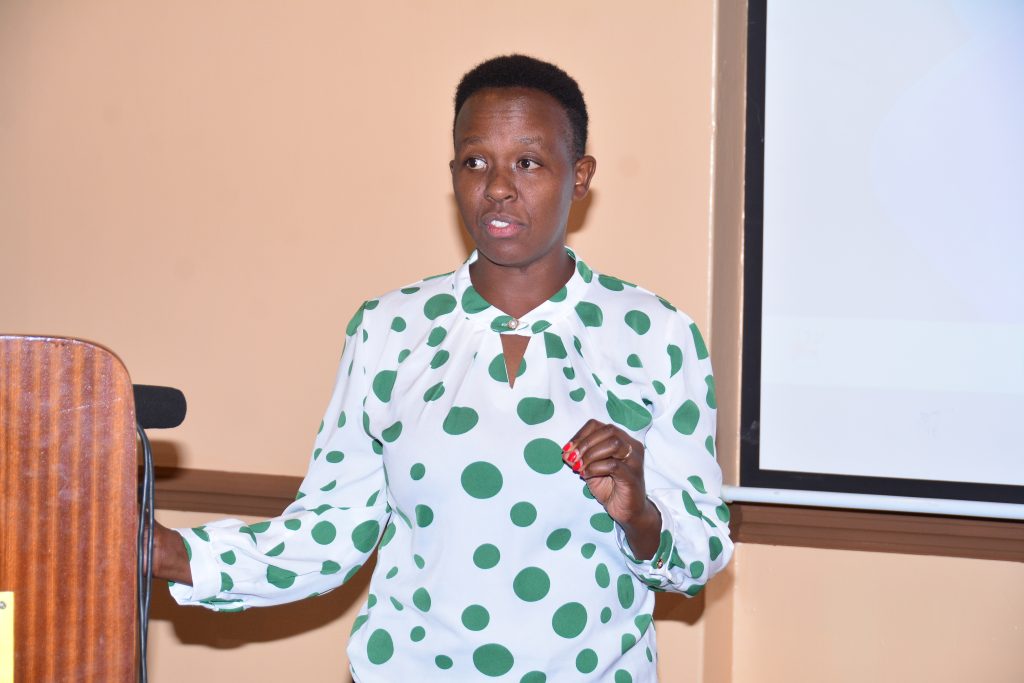
Citizen TV science reporter, Emily Chebet, observed that climate reporting in Kenya often receives attention only after extreme weather events, despite the reality that climate impacts are experienced every day.
“Shrinking newsroom budgets, digital audience pressures and the perception that climate stories attract fewer readers have pushed such reporting down the editorial priority list,” said Chebet.
Her observations mirror a wider challenge across African media houses, where limited resources frequently favour breaking news over long-term public interest reporting.
Globally, newsrooms are being encouraged to embed climate change story across every beats rather than treating it as a niche subject reserved for environmental correspondents.
The Oxford Climate Journalism Network has consistently advocated the identification of overlooked climate stories and integrating climate reporting into business, politics, health and other news sectors.
This story first appeared in Sayansi Magazine ©MESHA Features