KISUMU, 15th Nov. 2026 — If anyone can passionately speak with a tinge of pain, hope, and joy about caregiving, it is Okong’o Eunice.
Four years ago, while in a blissful marriage, Eunice and her husband welcomed Marvellous Victory into their family. Her arrival added more spark to the adoring parents and her two older siblings, and the future looked bright.
Alas, their happiness was short-lived. Marvellous was soon diagnosed with Cerebral Palsy (CP), a debilitating neurological condition.
When Eyes Watch Health visited her rented house in the sprawling Manyatta informal settlement in Kisumu City recently, Eunice recounted that shortly after giving birth, she noticed her baby was not showing the usual signs of growth and development compared to other infants.
“At two months, her head was unstable, and she couldn’t hold on to anything, forcing my curiosity to heighten, and I sought guidance,” she narrated.
One doctor assured her that the baby would be fine. Unfortunately, Marvellous began convulsing at four months.
“I didn’t know she was convulsing, as she was terribly shaking. I thought only people with epilepsy normally convulse, and not young kids,” Eunice recalled.
She was only enlightened after doctors watched a pre-recorded video of the baby. A week later, brain scans delivered devastating news: “Her left brain had already been damaged. I still didn’t understand the outcome because her outward health condition didn’t look bad.”
According to the World Cerebral Palsy Day Organisation (Rosenbaum, 2007), CP is an umbrella term for permanent movement and posture disorders caused by non-progressive damage to the developing brain, often triggered by birth complications, prematurity, or early childhood brain infections.
While the brain damage itself is irreversible, consistent rehabilitation significantly improves a child’s quality of life.
Abandoned
Eunice was introduced to four expensive medications, leaving her wondering how she would manage given her financial constraints.
“I took the medical report to her father, and he bought the drugs. To our shock, we were advised that the medication was to be administered daily for the entire period of her life,” she said.
Suddenly, she had to figure out how to raise Sh7,000 every month for drugs alone, alongside other household expenditures. When she shared this reality with her husband, he grew shell-shocked, confided in his immediate family, and developed cold feet. Three months later—when Marvellous was just nine months old—he disappeared into thin air.
After frantic searches in Kisumu and filing a report with the local police, someone tipped Eunice off that her husband was hiding at his rural home.
“When I reached out, my mother-in-law categorically told me that her son didn’t want induced stress related to Marvellous’ condition. I tried to reason with her that the Almighty God can perform miracles and her condition could change, to no avail,” Eunice said.
The following day, her sister-in-law called with a gut-chilling directive: move on with your life, because my brother is not coming back.
She confidently told me, ‘Whatever you can do, just start afresh. I have checked carefully, and your daughter’s condition doesn’t exist in our family lineage or village, or even where I am married. I have never seen such!'” Eunice recounted. “I was unhappy and told her, ‘You are a woman, and I am a woman; one day someone will tell your daughter such kind of words.'”
True to her sister-in-law’s words, “Bwana yangu alishauriwa na familia yake akuwe mteja” (My husband was advised by his family to switch off his phone—no calls or SMSes). “I have never set eyes on him again. With the pain and struggle I have gone through, I don’t want to reach out to him even if someone gives me his number.”
Suicide Attempt
Abandoned and traumatised, Eunice leaned on her pastor, church members, and her own siblings for spiritual and emotional support.
Her resilience had already been tested early in life; orphaned alongside her six siblings, they were raised by a Good Samaritan after their relatives abandoned them upon burying their father. In a cruel twist of fate, that guardian angel also passed away the very year Eunice’s marriage collapsed.
Meanwhile, Marvellous’ health deteriorated. Frequent convulsions caused her body to thin, her limbs to stiffen, and her head to swell. Feeling like her world had ended, Eunice attempted suicide after her guardian’s burial, only to be rescued by her siblings.
Despite Marvellous requiring three therapy sessions a week and bimonthly paediatrician visits, Eunice stopped attending—even when given fare.
“In Marvellous, I was seeing ‘something’ that should die tomorrow. I fervently petitioned God: ‘If you aren’t going to kill this baby by this week, I am going to kill myself.’ That was the only prayer I could tell God,” she painfully reminisced.
“I was not asking God for money or wealth, but to take away ‘this baby,’ as her sickness was the root cause of my failed 15-year marriage.”
To drown her heartbreak, Eunice turned to binge drinking. “I would drink like nonsense. When I didn’t have money to buy alcohol, I would take one of Marvellous’ drugs known as Phenobarbital. One pill made me sleep for 24 hours; you can’t talk or hear anything; it’s like you’re dead, and when you wake up, you stagger around like an alcoholic.”
The Turning Point
Relief came in 2023 when she met Judith Momanyi, founder of the Million Reasons to Smile organisation. Tipped off about Eunice’s plight by a mutual acquaintance, Judith facilitated Eunice’s transport from Ugunja back to Kisumu and counselled her for eight hours.
Still struggling for closure, Eunice’s perspective shifted completely two days later when she visited Judith’s home.
“Judith’s situation totally humbled me. When I saw her two children—aged 12 and 14—both living with severe cerebral palsy, I saw myself as an idiot,” Eunice admitted.
“Sometimes when someone tries to counsel you, you think they haven’t undergone a similar experience. I started wondering how this single mother, thrown out of her marriage and jobless, was handling two children while Marvellous’ condition was much milder.”
Like the biblical Saul turned Paul, Eunice experienced an instant awakening. She resolved to accept Marvellous, ignore naysayers, and become a peer counsellor for fellow caregivers.
Though her brothers were initially sceptical of her sudden transformation and insisted on continuing to sponsor her older children’s education, Eunice forged ahead.
She stopped hiding Marvellous and began sharing their journey on social media. Today, through Million Reasons to Smile, caregivers meet every Thursday for mental health and Gender-Based Violence (GBV) sessions, receive diapers and medication, and learn first aid and home therapy techniques from volunteer doctors.
Eunice also serves as Secretary General of Make Us Great Again, a registered welfare group of 26 mostly single mothers who practice table banking—saving Sh50 to Sh200 weekly so members can borrow to buy urgent medication.
Daily Battles, Stigma
Even with newfound hope, caring for Marvellous remains an uphill task. Recurrent convulsions damaged her nervous system, leaving her completely blind—as confirmed by Sabatia Eye Hospital—and slow to respond when called. She has endured a hernia and spent nine weeks in plaster for a club foot, requiring special orthopaedic shoes to sleep.
Every morning, Eunice massages Marvellous’ jaw to reduce excessive drooling and strengthen her muscles. Because she cannot chew, all solid foods like rice, ugali, mboga, potatoes, and fish must be blended, leaving only water, milk, yoghurt, and porridge in their natural state. Foods like red meat and sugar trigger severe convulsions and excruciating bone pain all night.
Jobless and playing both mother and father, buying a blender was a tall order. Despite hating the omba omba (begging) tag, Eunice appealed on her Baby Marvellous TikTok page: “If anyone has two blenders, kindly help me with one.”
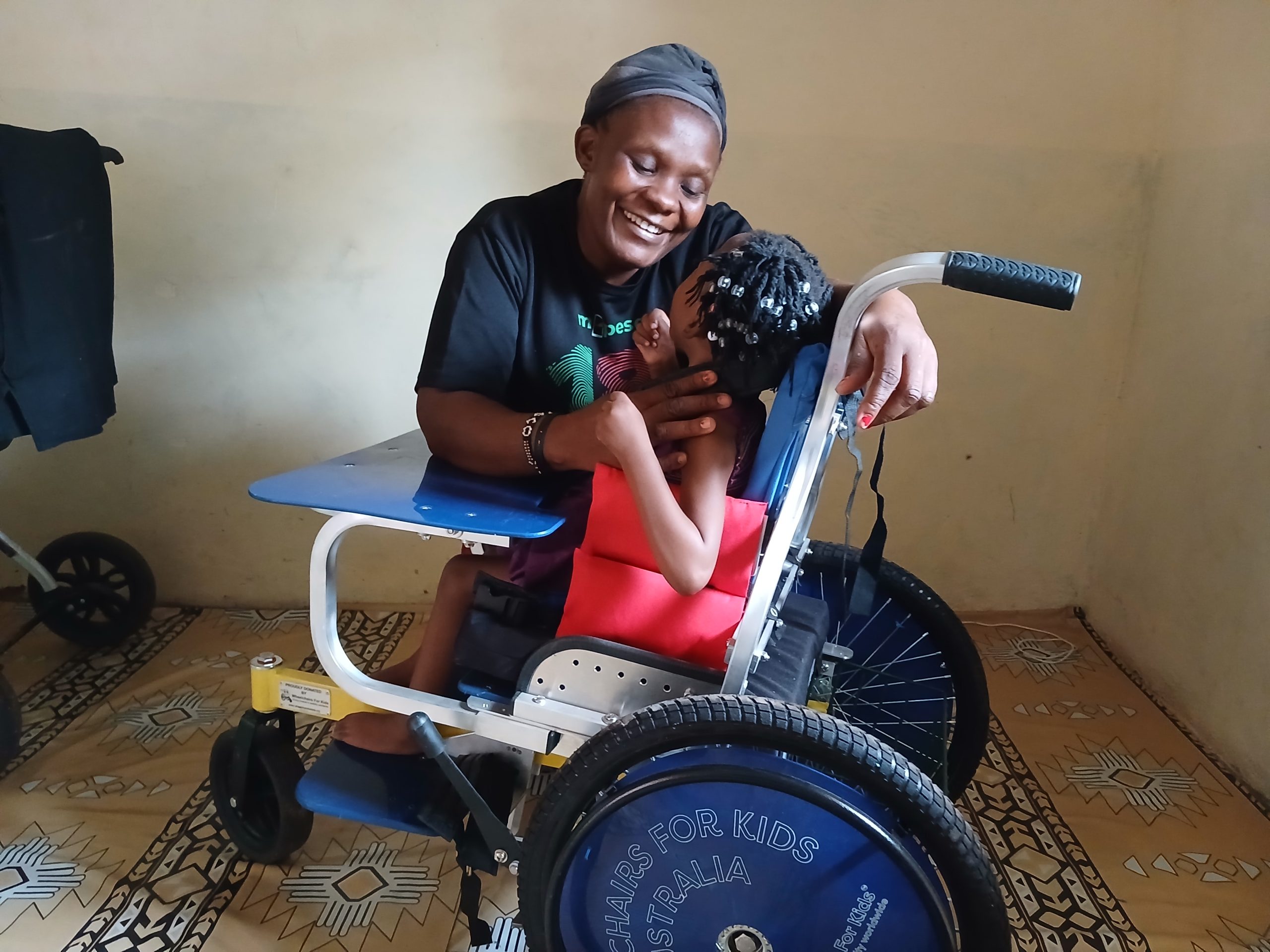
Well-wishers answered, including a Nairobi donor and an Australian organisation that gifted the two wheelchairs now sitting side by side in her living room.
To avoid being a burden, Eunice does casual laundry work (Mama Fua). Holding a Diploma in Food and Beverage from St. Francis Asumbi College, she previously lost a marketing job after spending three months in hospital wards with Marvellous.
“Mwajiri gani atakukubalia uende therapy na ward kila wakati?” (Which employer will allow you to constantly miss work for therapy and hospital admissions?), she posed.
Stigma has been equally ruthless. Relatives urged her to dump the child at her father’s homestead, with some viewing Marvellous as a curse that in bygone eras would have been buried alive.
“Alikuwa ‘anaringa’ sasa hiyo masomo,kazi na ndoa iko wapi” (Neighbours in her rural village mocked her education and failed marriage), blaming Marvellous’ condition on family planning injectables or alleged promiscuity while ignoring medical realities like prolonged labour, cerebral malaria, or meningitis. Even an urban daycare in Kisumu turned Marvellous away.
Eunice now appeals to both national and county governments to reserve employment slots for CP caregivers at Huduma Centres and disability offices, and to disburse grants to caregiver self-help groups.
She laments that support from the National Council for Persons with Disabilities (NCPWD) is erratic due to funding constraints, with diapers and drugs arriving every six months and covering barely a month’s need.
Furthermore, because Marvellous’ anti-convulsants (such as Tegretol) require frequent dosage adjustments, they are costly and cannot be shared.
“The Social Health Authority (SHA) insurance doesn’t cover outpatient drugs, not even Phenobarbital worth Sh50, for Persons with Disabilities,” Eunice pointed out.
“It only covers inpatient bed and food, while we still pay Sh600 out-of-pocket per therapy session at Jaramogi Oginga Odinga Teaching and Referral Hospital (JOOTRH).”
The Medical Reality
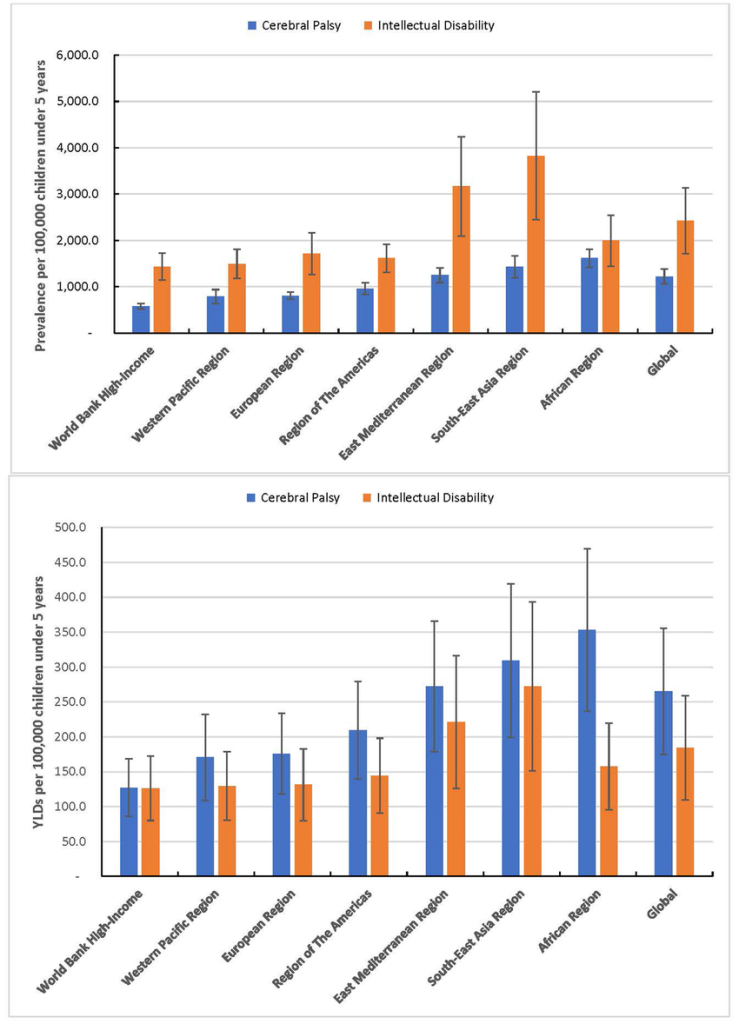
Globally, an estimated 50 million people live with cerebral palsy, directly impacting 350 million caregivers (Cieza, 2021).
While Kenya lacks a dedicated national CP registry, the World Health Organisation (WHthey O) and local public health estimates indicate that 1 to 3 out of every 100 Kenyan children live with the condition.
Dr Katherine Oyieke, a Consultant Paediatric Neurologist at Aga Khan University Hospital (AKUH), Nairobi, notes that CP manifests in spastic, dyskinetic, or ataxic forms, often accompanied by epilepsy, speech delays, vision or hearing loss, and feeding difficulties.
Across major Kenyan referral centres, specialists rely on five core clinical interventions such as Early Rehabilitation.
“It involves physical, occupational, and speech therapy to build muscle strength and prevent joint contractures, and Targeted Medication for muscle relaxants (like baclofen), botulinum toxin injections for painful spasticity, and anti-seizure drugs.”
In Orthopaedic Support, surgeries are conducted to lengthen tight tendons or correct dislocated hips, and need to use Assistive Devices such as custom splints, braces, standing frames, and supportive wheelchairs.
Caregiver Empowerment helps by training parents in daily home stretching and safe feeding to bridge financial gaps.
Dr Samson Gwer, a prominent paediatric neurologist at Gertrude’s Children’s Hospital and Ubuntu Neurology, also stresses accurate diagnosis to rule out treatable metabolic or genetic “CP mimics,” while urging parents to watch for silent dangers like aspiration pneumonia caused by swallowing difficulties.
Meanwhile, Kenyan specialists strongly caution desperate families against spending fortunes on unproven “miracle cures” like overseas stem cell therapies, which cannot regenerate damaged brain tissue.
Prof Pauline Samia, Chair of the Eastern Africa Academy for Childhood Disability (AKUH) Nairobi, emphasises that CP management must extend beyond hospital walls to fix systemic gaps in inclusive schooling and assistive devices, advocating for decentralised care and telemedicine so rural families are not left behind.
Advocacy
Caregivers are increasingly demanding policy action. In May 2026, Eunice joined caregivers from across Kenya to submit a petition to the Ministry of Health in Nairobi demanding subsidised medication and caregiver stipends.
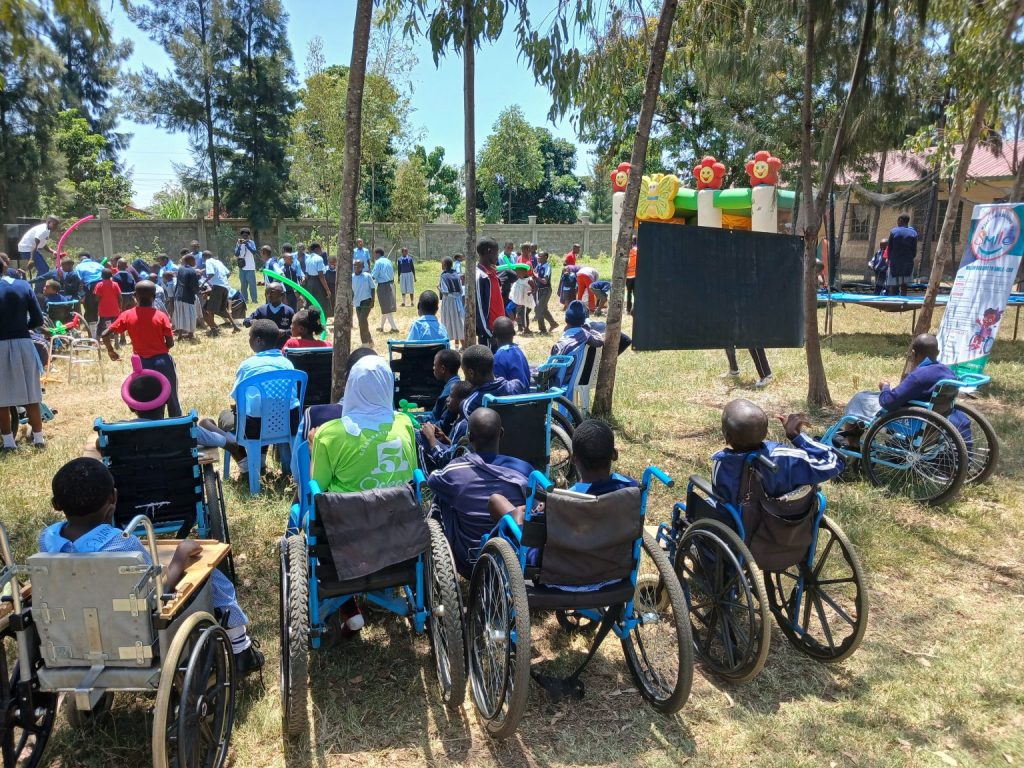
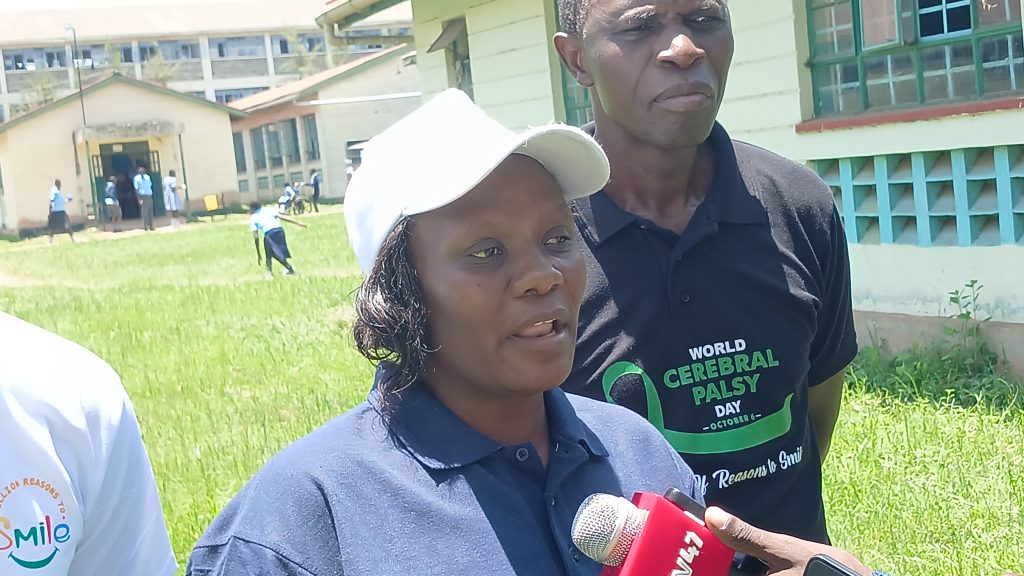
Similar calls echoed during World Cerebral Palsy Day commemorations at Joyland Special Junior School in Kisumu in October 2026, where stakeholders highlighted severe shortages of occupational therapists, assistive technology, and special-needs funding.
NCPWD Kisumu County Officer George Odhiambo reiterated the council’s commitment to paying school fees and providing assistive devices through partnerships.
At Joyland School, Sam Owino noted that their Competency-Based Education (CBE) Stage-Based Pathway equips learners with CP, spina bifida, and Down syndrome with practical vocational skills for self-reliance, though teacher Susan Auma appealed for more computers and staffing—urging parents to stop hiding disabled children indoors.
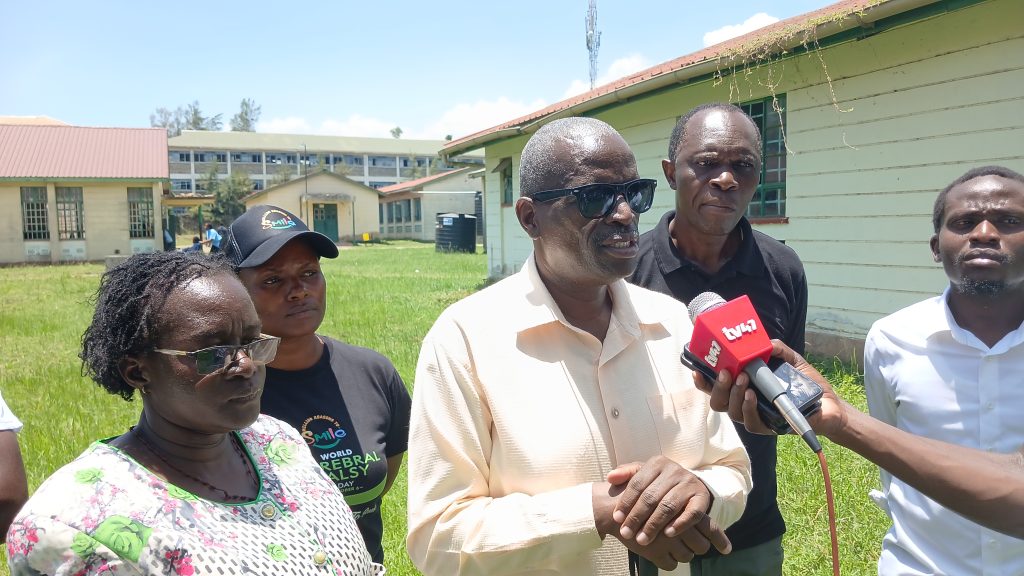
Kisumu County Health Department’s Disability Mainstreaming and Rehabilitation Officer, George Omamo, affirmed Governor Prof. Anyang’ Nyong’o’s commitment to implementing the Persons with Disabilities Act 2024.
He noted that the county employs 21 physiotherapists across sub-county facilities, alongside 21 occupational therapists and 19 physiotherapists stationed at JOOTRH to provide multidisciplinary care.
The Mortality Gap
While CP is not degenerative, global research (Peterson, 2022; Blair, 2019) shows that individuals with severe motor impairments face reduced life expectancy.
In low- and middle-income countries (LMICs), mortality is disproportionately driven by preventable complications such as respiratory infections, malnutrition, and delayed rehabilitation, while over two-thirds of children with CP miss out on formal education altogether (Jahan, 2021).
Improved maternal and perinatal care remains critical to preventing avoidable birth injuries (Badawi et al., 2020).
For Eunice, however, survival begins at home with resilience and mutual support.
In her parting shot, she urges women whose husbands stand by them to cherish their partners’ emotional strength, while challenging both spouses not to flee when disability strikes.
“Out here, single mothers make up roughly 70 percent of CP caregivers,” Eunice observes. “Women shouldn’t abandon their marriages when faced with such situations, and men shouldn’t run away either.”