The rapid growth of two- and three-wheelers (2/3Ws) in Sub-Saharan Africa (SSA) is driven by rising incomes, urbanisation, and unmet demand for affordable mobility, according to Shane McDonagh, an Energy Efficiency Analyst at the International Energy Agency (IEA).
Mr McDonagh spoke during a joint AFREC-IEA webinar recently held under the Thematic Study on E-mobility titled “Towards Efficient and Sustainable Urban Mobility in Sub-Saharan Africa: Electric Two/Three-Wheelers.”
McDonagh explained that transport energy demand in SSA is rising faster than overall energy demand, surpassing industry as the second-largest energy consumer around 2015 and now representing about 20% of total final consumption.
He pointed out that nearly 99% of transport relies on fossil fuels, with gasoline and diesel accounting for around 45% of all non-renewable energy consumed.
He mentioned IMF projections indicating that 8 of the 20 fastest-growing economies are in SSA. As incomes increase, household spending on transport is growing nearly twice as fast, signalling strong unmet demand due to affordability and access issues. Since 2000, the share of disposable income spent on transport has approximately doubled, while incomes have increased 2.5 times, leading to more than a fourfold rise in household transport expenditure.
According to McDonagh, urbanisation and electricity access go hand in hand to benefit 2/3Ws. City dwellers in areas with populations over one million are far more likely to have electricity, higher incomes, and requirements for short trips and last-mile services where 2/3Ws are well suited to congested settings. Urban density also makes charging infrastructure more cost-effective and allows utilities to integrate low-power 2/3W charging easily through overnight or depot charging.
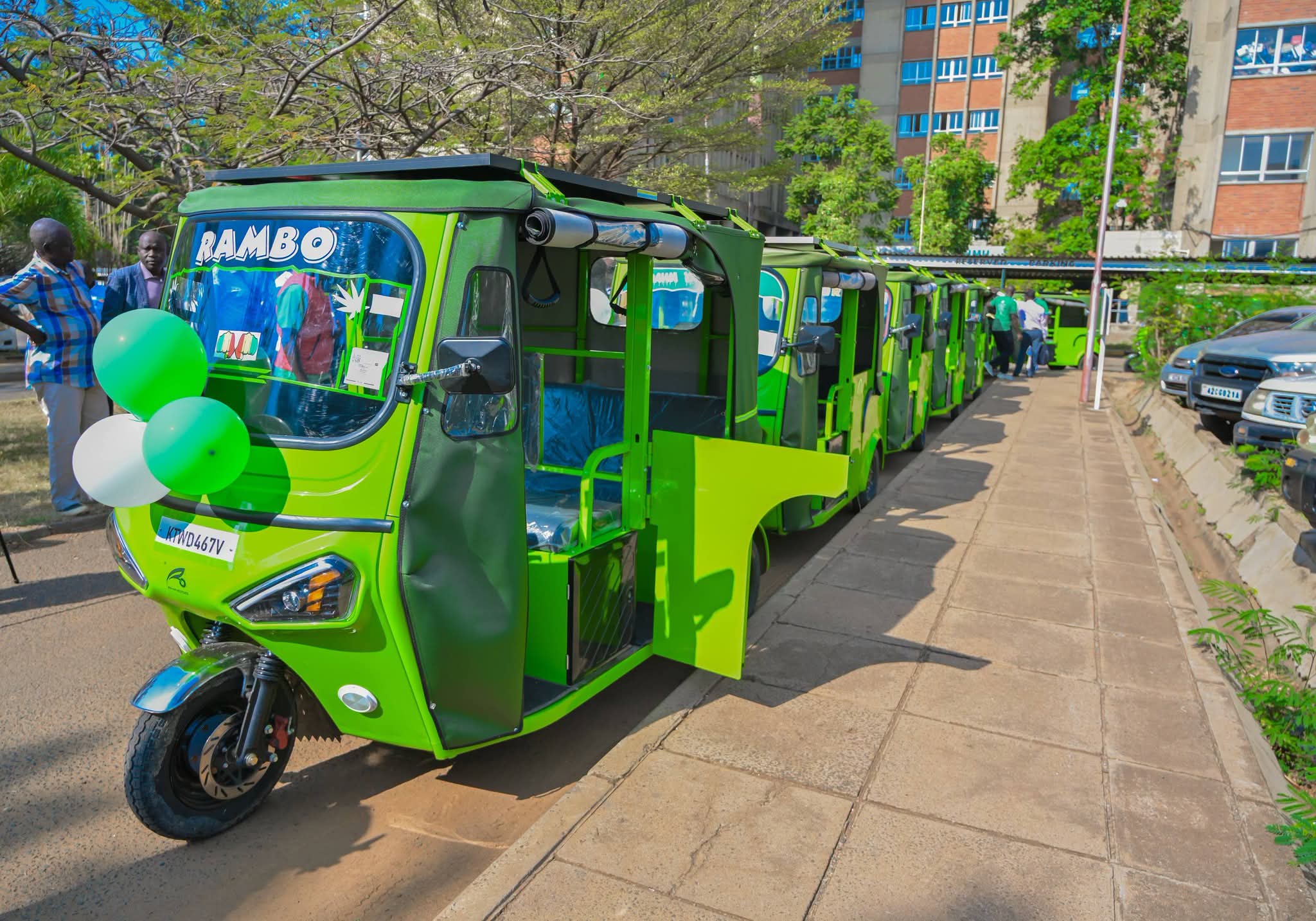
He noted that the fleet is expanding rapidly, from less than 5 million motorcycles in SSA in 2010 to over 27 million in 2022, with 80-90% used for commercial boda boda services. Sales of all 2/3Ws could reach 3.4 million annually by 2030. Electric 2/3Ws are growing from a modest base, from 1,400 units sold in 2021 to nearly 10,000 in 2024, with about 25,000 now on African roads.

McDonagh identified upfront cost as the primary barrier. Despite battery prices dropping over 35% since 2022, an electric 2/3W remains 35-55% more expensive than a petrol equivalent on average, or 10-25% more when excluding the battery. In 2024, a small petrol bike costs about GBP 1,000–1,200, while a fixed-battery electric model costs approximately GBP 1,600–1,900.
However, he highlighted that the total cost of ownership (TCO) over five years presents a different picture. An E2/3W consumes 8-9 times less energy. With average fuel prices at USD 1.21 per litre and electricity at USD 0.16 per kWh, privately owned E2/3Ws are 10-30% cheaper over five years. For commercial operators with 25,000 km annual mileage, savings range from 40–55%, with payback in less than a year. Drivers exceeding 3,500 km annually already benefit from savings.
He added that E2/3Ws remain cost-effective even if electricity prices rise sharply. For private owners, the breakeven electricity price is roughly six times the current rate, and for commercial operators, about 7.5 times, leaving room for charging businesses to profit while still beating petrol costs.
McDonagh stated that the goal of the study is to establish the cost advantage, clarify risks, and lower upfront barriers.
He explained that if adoption remains slow despite potential savings, it is due to lack of access to finance, limited awareness of TCO benefits, unreliable electricity, availability of cheap used imports, and limited model options.
He proposed battery swapping as a key solution. By leasing batteries, small electric models can reach near-price parity with petrol bikes upfront, reducing down payments. Using swap electricity at 2.5 times the grid rate still results in lower lifetime costs, especially for low-mileage private users and in high battery risk scenarios. It offers a quick refuelling experience and alleviates grid pressure.
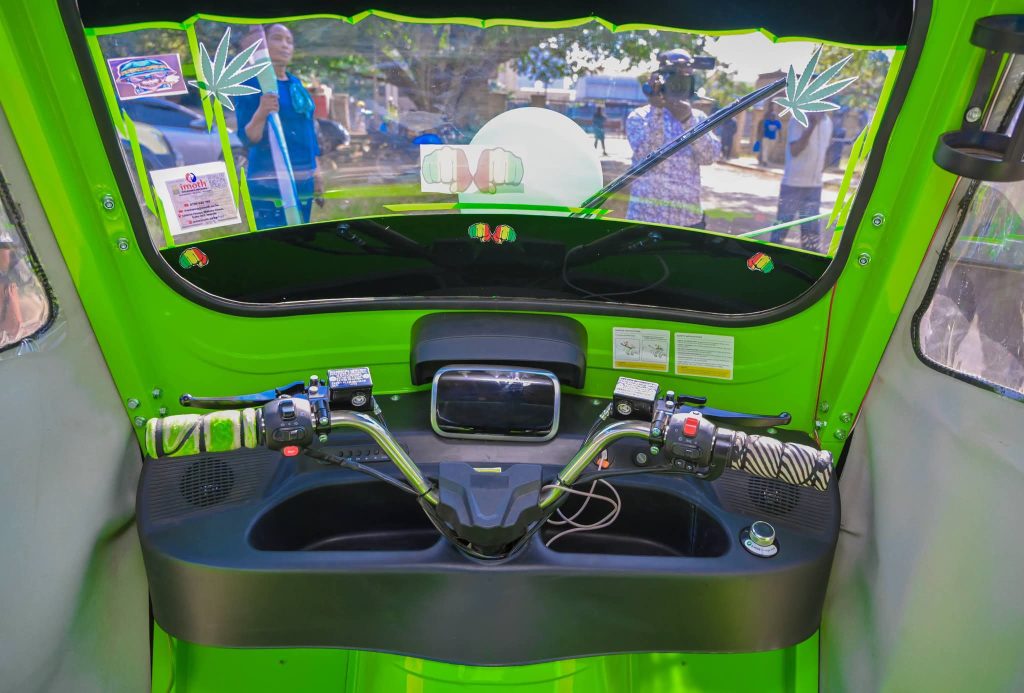
He highlighted companies like Ampersand in Rwanda and Kenya, Zembo in Uganda, Spiro across ten countries, ARC Ride, Roam, and Kofa in Kenya and Ghana, many employing low down payment Battery-as-a-Service and per-swap or subscription models targeting commercial fleets.
For policymakers, McDonagh recommended that direct incentives might not be necessary. Instead, they should focus on expanding electricity access and grid coverage for swap stations, disseminating TCO information as a low-cost, high-impact strategy and addressing financing gaps for both fleet operators and individuals.
“Supporting competition, streamlining regulations, providing import tax reductions, and encouraging local assembly, noting emerging demand for local manufacturing.”
He concluded that promoting E2/3Ws could enable SSA to leapfrog into clean, affordable transport, enhancing energy security, reducing emissions, improving air quality, creating jobs, and facilitating greater grid investments by shifting demand from liquid fuels to electricity.