Electric mobility is crucial for advancing Africa’s energy efficiency, reducing its hefty petroleum import bill, and aligning industrial growth with climate resilience, according to Eng Nickson Bukachi Ongeri, Senior Policy Officer at the African Energy Commission (AFREC).
Eng Ongeri spoke during the AFREC-IEA Webinar held recently, titled “Towards Efficient and Sustainable Mobility in Africa: The Role of E-mobility in Advancing Africa’s Energy Productivity.”
He highlighted that access to modern energy remains a significant challenge, with about four in five households relying on polluting fuels for cooking, and approximately 600 million people without electricity. With 40% of Total Primary Energy Supply derived from biofuels and waste, 75% of electricity generated from fossil fuels, and 26% of Total Final Consumption made up of oil products, energy efficiency is a readily achievable goal to promote equity, security, and sustainability.
Eng Ongeri mentioned that the African Energy Efficiency Programme, through the African Energy Efficiency Strategy and Action Plan (AfEES), aims for a 50% increase in energy productivity by 2050 and 70% by 2063 – meaning more economic output from each unit of primary energy.
He emphasised the importance of the transport sector, noting that the vehicle fleet is expected to double by 2050, from about 73 vehicles per 1,000 people to roughly 150 per 1,000. Despite having only 3% of the world’s vehicle fleet, Africa accounts for 24% of global road traffic fatalities. Meanwhile, about 1 billion people walk or cycle daily, and 80% of goods and 90% of passenger travel are road-based.
He described the transport sector as costly, with Africa spending USD 15.3 billion on oil imports in 2022 alone. Transport accounts for 70% of oil consumption, growing at over 5% annually, and contributes 31% of CO2 emissions, with more than 70% of refined fuel demand still met through imports.
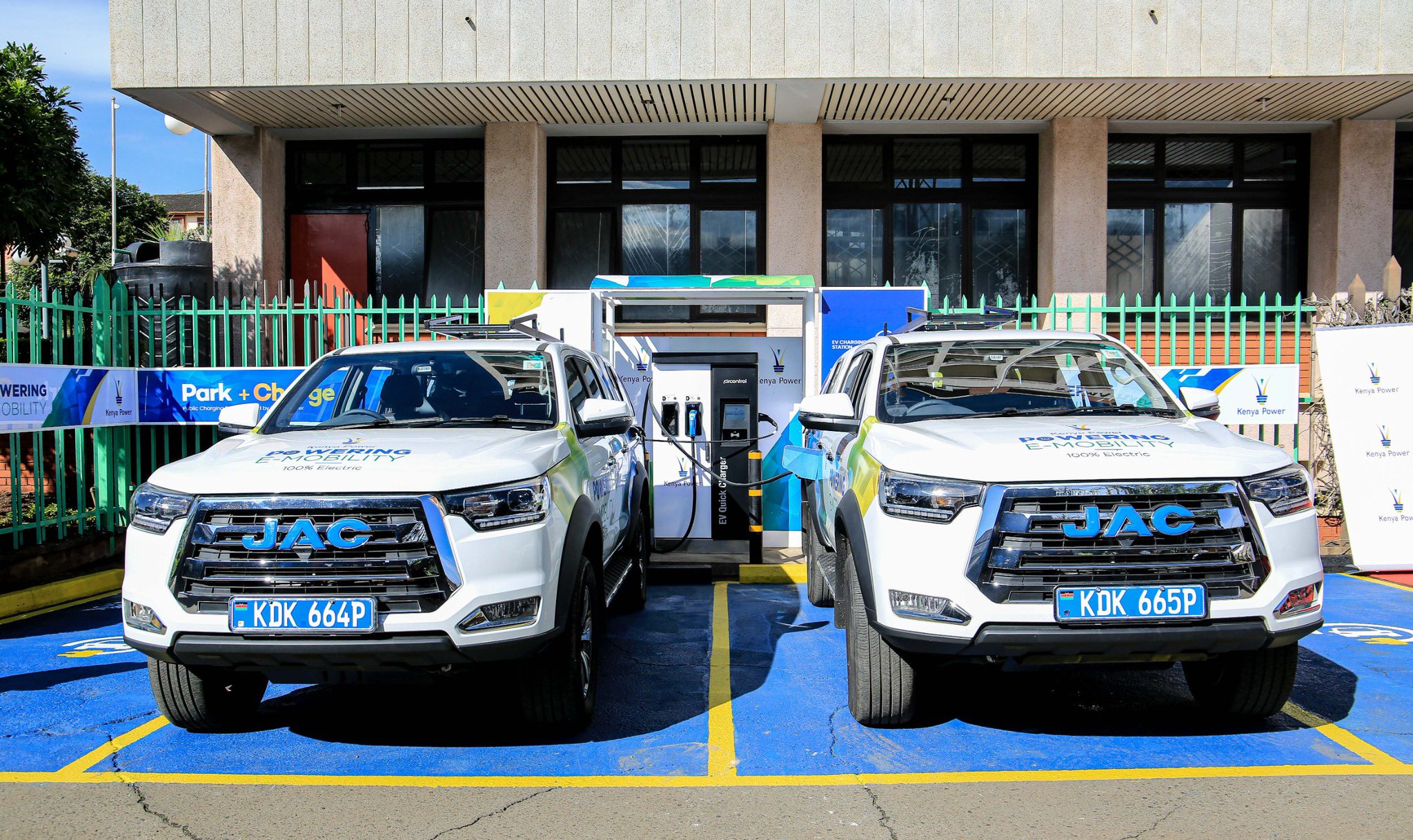
Eng Ongeri observed that e-mobility is gaining policy support, with 31 AU Member States including it in their Nationally Determined Contributions (NDCs), and about half of them are involved in the assembly or manufacture of EVs and charging infrastructure.
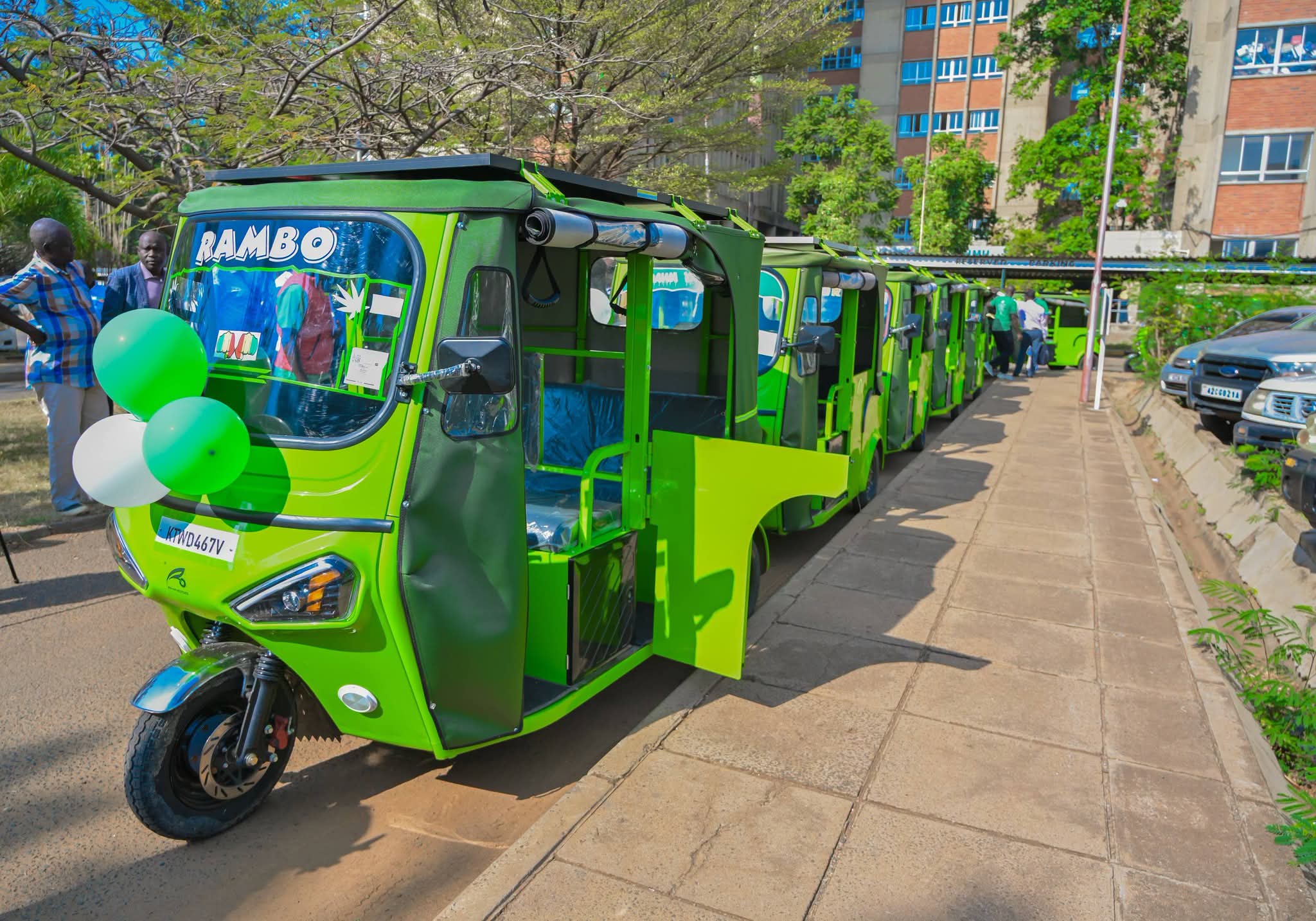
Growth is particularly rapid among two- and three-wheelers, with E2/3Ws growing at 38% annually, E4Ws at 28%, and e-buses at 44%.
He highlighted the Continental Framework on Electric Mobility in Africa, adopted during the 5th Ordinary STC meeting, which underscores the urgency of transitioning while protecting the billion people who walk or cycle.
Examples of progress include Rwanda, where comprehensive fiscal incentives such as zero-rated VAT, duty exemptions, a carbon tax on polluting vehicles, and a ban on new combustion-engine motorcycle licences are in place.
Senegal has Africa’s first fully electric Bus Rapid Transit system operational, with over 140 electric articulated buses running on an 18km corridor. Kenya has an Electric Mobility Policy, with over 24,000 two- and three-wheelers currently operational, while Ethiopia leads with 132,000 EVs in use. Morocco is localising lithium-ion battery manufacturing and electrifying BRT and high-speed rail lines like Al Boraq. Egypt has an Active Mobility Strategy Framework.
Eng Ongeri indicated that AfEES stipulates 34 actions for transport, including targets for an efficient fleet of 4L/100km, intermodal planning, mass transit, and e-mobility. He pointed out that Africa is rich in critical minerals: 53% of cobalt, 91% of platinum, 46% of manganese, 21% of graphite, 25% of bauxite, and 6% of copper, all needing beneficiation to support the transition.
Presenting AFREC-EU modelling for Senegal and Madagascar, he explained that improving conventional efficiency alone could raise passenger-kilometres per tonne of oil equivalent by 53% in Senegal and 49% in Madagascar by 2050. Including e-mobility—defined as 10% EV usage for cars, buses, and minivans by 2050 and 20% by 2065, with faster adoption among two-wheelers (30% and 60%) and slower among goods vehicles—could boost productivity by 86% and 84%, respectively.
A scenario with 50% electric two-wheelers in 2050 and 100% in 2065 could push gains further to 92% in Senegal and 90% in Madagascar, illustrating that while car electrification has the greatest impact, two-wheelers are also highly significant.
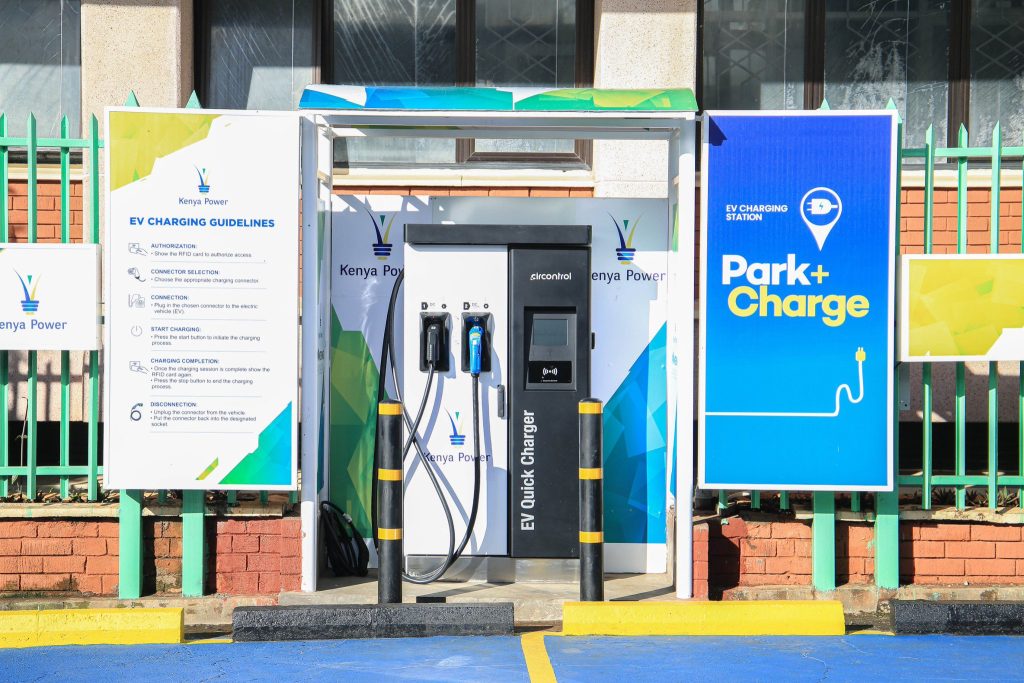
The Continental Framework identifies six pillars: promoting local manufacturing and regional value chains; accelerating infrastructure and interoperable solar-powered charging; encouraging innovative fiscal incentives; raising public awareness and training; implementing supply-side regulations with CO2 and fuel economy standards; and establishing regional platforms focused on a just transition, gender equity, and sustainability.
Eng Ongeri concluded that EV deployment leverages Africa’s renewable resources and minerals to create jobs through local value addition, but faces challenges such as fragmented policies, weak infrastructure, limited finance, supply shortages, and low awareness. Electrifying the fleet directly supports Africa’s energy productivity goals, reduces fuel imports, and enhances energy sovereignty.