KISUMU, 22 Oct 2026 – For James Goro Oronge, popularly known as Eusebio, the beautiful game of football (Jogo Bonito) was never just a game. It was eat, play and sleep.
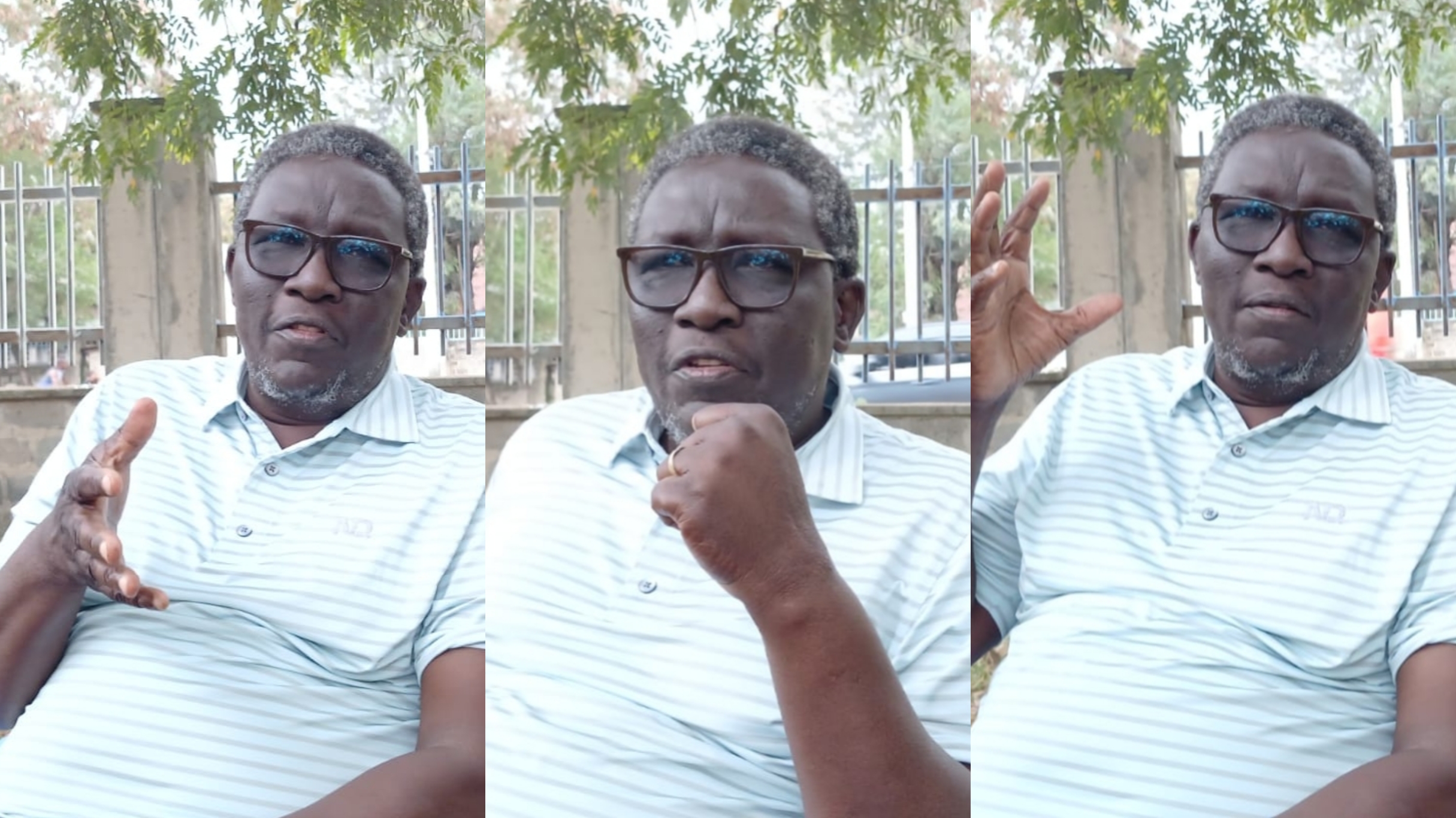
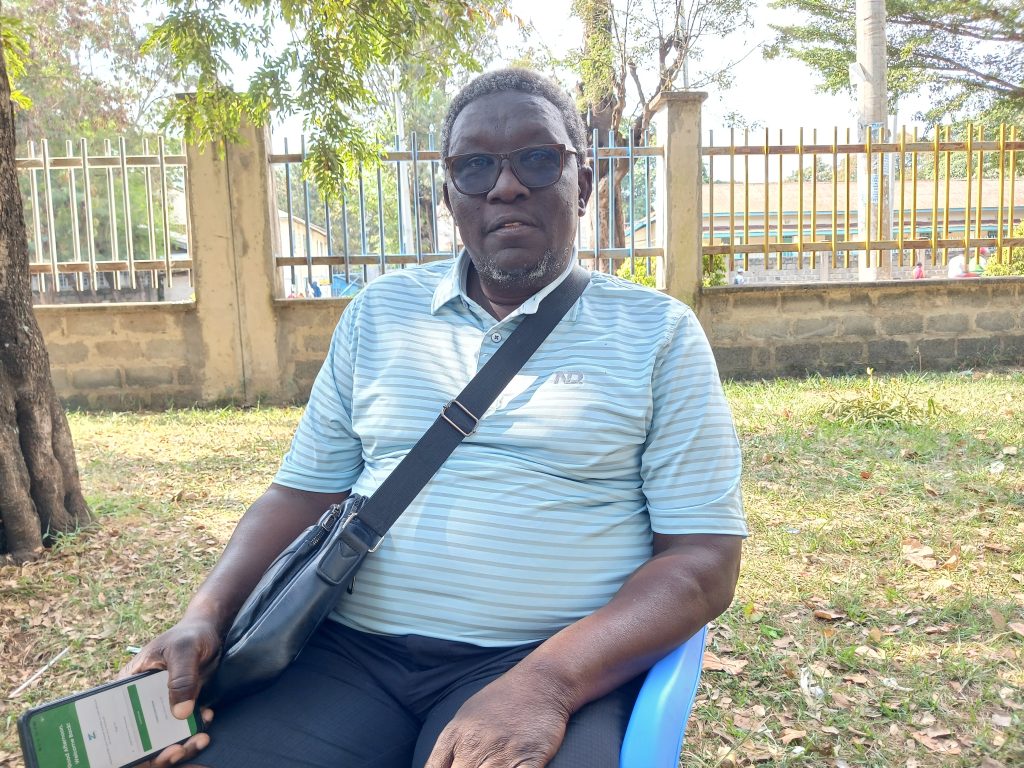
During a two-part interview with this writer recently, Goro, who now walks with a slight limp, wore one of his signature khaki shorts, a striped light blue T-shirt, and sports shoes to boot. He adjusted his black-rimmed spectacles often and smiled broadly with satisfaction as he revisited the glory days.
His footballing prowess began with the passing of a baton from his father, the legendary Peter Oronge, who captained the national team that won the last Gossage Cup of 1958 alongside Kenyan greats such as Joe Kadenge, Elijah Lidonde and Shem Chimoto.
“They brought back the cup. I think my father scored the first goal and then Kadenge, the second,” he says.
His father played for Luo Union and was the first local to coach the National Team. He was also an official of Kisumu Hotstars.
“So I grew up in a place where football was there. I didn’t have to ask for a ball – it was already there.”
From Abisidi to School
At a very young age, from about 10, he weaved his footballing journey by specializing in Abisidi (ABCD) – a small leather ball almost the size of a golf ball – in Ondiek estate and inter-estate playground matches.
“I had a cheerleader and got a lot of motivation from my brother Abdul Oronge. I can also remember I had a team that was called Happy Youngsters and mostly composed of my brothers and cousins,” he reminisced with a grin.
During those years, Oronge adds that hockey was also flourishing in Nyanza, particularly in Kisumu, which had established itself as a world-class hockey region. “Like many young sportsmen of that era, I combined both football and hockey, enjoying the challenge and lessons that each sport offered.”
He was entrusted with a captain’s armband at a very young age -a leadership role which went along way in shaping his on and off field confidence levels.
During his childhood, he played with so many who later became Kenyan internationals such as James Otieno Omondi aka Oti, who later turned out for Kenya Breweries and Mike ‘Tank’ Otieno at Xaverian Secondary School before Tank became a rugby legend.
“I went to many schools, but I did my C.P.E. at Xaverian. Tony Akichi became a great hockey and rugby player who later went to Nairobi School, while Tank went to Alliance High School, and I went to Kisumu Technical.”
In 1977, he was captain of the Kisumu Technical School team in the finals of Inter-technicals. “The games were held in Sigalagala, and we lost to Kabete Technical 6-3. With me scoring a brace.”
The Making of A Number 9
Although many a people had expected him to join Kisumu Hotstars FC because his father was an official there, immediately after secondary school, Goro joined Kisumu Black Stars FC in 1978.
“I deliberately chose a different path. I wanted to earn my place on merit and avoid any perception that I was receiving special treatment because of my father’s position. It was a decision I have never regretted.”
At Black Stars, he met top players like Eric Omonge and reunited with Otieno Omondi, who was there briefly before going to Kenya Farmers Association (KFA).
“So I remained with Omonge, and we made sure that the team qualified for the Super League, which was the highest.”
He vividly recalls a match pitting Kisumu Black Stars and Police FC at Moi Stadium where he ran rings around them.
“In 1978, when I was 18 years old and still very arrogant. I was teasing the policemen with such words like ‘Toa Kipande’ (Show Your ID) after scoring goals, but they were not amused.”
Between 1979-1984, he played for Chemelil Sugar FC after securing a job securing with them. “I believe I played some of my best football in Chemelil.”
His best position?
Number 9. “In fact, the goals that I scored are the goals that propelled Black Stars to the Super League the following year, what is now the Premier League.”
He says his game was built around creativity, vision, an eye for goal, close ball control, and being a reliable dead-ball specialist. “Free kicks and set pieces became some of my favourite moments to influence a match.”
Khartoum Tournament (1985)
As a marquee signing for Kogalo, Oronge’s arrival came in late November 1984 at a vital time when the club needed urgent reinforcement due to the suspension of several players after the CAF Club competition against Zamalek.
“I embraced the opportunity with both hands, determined to prove I belonged. I gave my all for the club and, by God’s grace, I did not disappoint.”
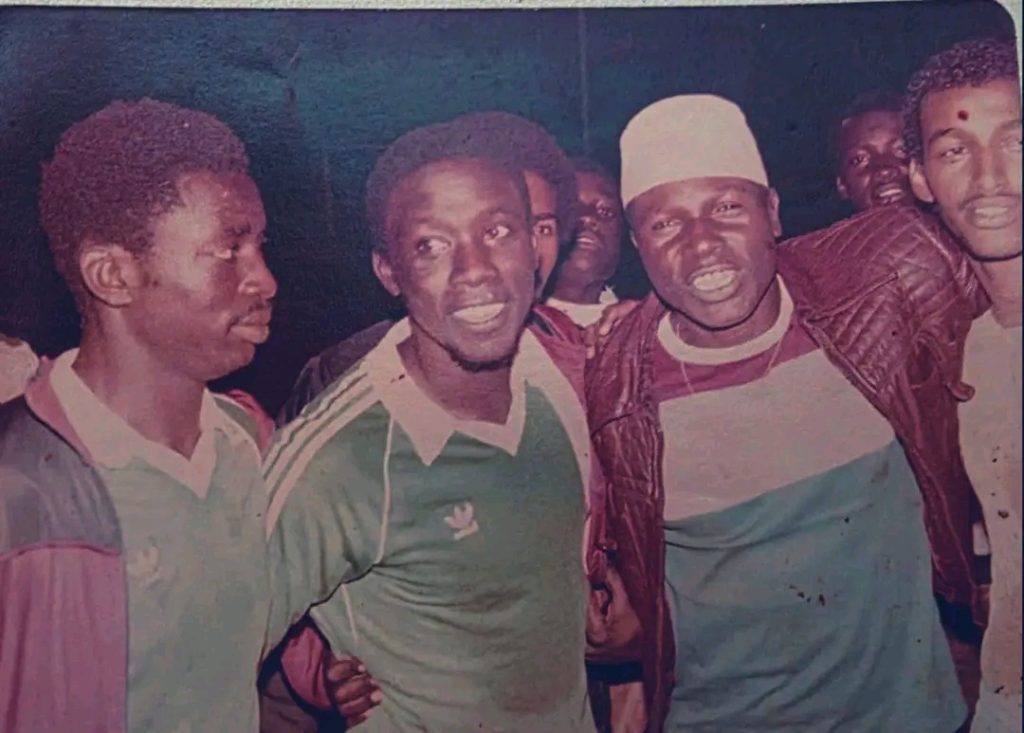
He proved his mettle during a friendly against Kisumu Breweries in Kisumu. Gor beat Brewers 5-0, with the new signing announcing his goal-poaching skills with a hat-trick.
“My years at Kogalo were a blessing in disguise, and it was like I was on holiday,” he recalls. “I played alongside extraordinary players who supplied me, including George Nyangi Odembo, George Onyango ‘Fundi,’ Abbas Khamis Magongo and Sammy Onyango ‘Jogoo.'”
He describes Nyangi as a good goal poacher who created chances, and Fundi as the kind of footballer who could understand a striker’s intention without being told.
Then came Khartoum 1985 – the CECAFA Club Championship.
As the sun’s scorchiness receded, stroking the beautiful city of Khartoum in Sudan, one player rose to make a statement – a prolific striker who didn’t need pace to bang sumptuous goals at will.
True to his prowess, the 5-foot-7, well-built, stout figure scored two delightful goals that wowed the adoring fans in either half to help Gor Mahia win 2-0 in their third Group of Death game against Limbe Leaf Wanderers FC of Malawi.
The win didn’t come easily. He said the goalkeeper had ‘put some glove in the net and had to remove them’.
“You know all the Kenyans believe in juju and the rest. When I removed that small cap that was in the goal. So with me and Jack Chamangwana, who was regarded as one of the best number fives in Africa, we had a scuffle. As usual, I also told him, well, let’s wait and see the end of this game; we will score two goals. Just to intimidate him, make him backpedal and fear the process that was going on because I knew he was a good player,” he recalls.
The talisman says he was fortunate to score in either half – the second he stepped up with confidence and struck a half-volley shot.
He, however, thanks George Nyangi Odembo, a diminutive Kogalo winger with one of the goal assists.
“When you see him with the ball out of 18, and you’re a striker, you know what was likely to follow – hit post or goalkeeper to parry it. I would immediately race towards the goalkeeper, anticipating a rebound, which came in plenty. And, like in that match in Sudan, the goalkeeper stopped the ball and the ball just dropped there. And I said thank you because I helped myself with it… I slotted it home.”
On their road to the finals, they drew 1-1 against Simba of Tanzania, with Mike Adede scoring and them equalizing through Zamoyoni Mogella in the later stages. They pulled a similar scoreline against Sports Villa of Uganda, 1-1, with Sammy Onyango “Jogoo” scoring for Kogalo. Goro played 15 minutes towards the end after Sammy was benched.
In the semis, Gor beat hosts Al Ahly 4-2, much to the chagrin of the home crowd.
“It was a very sad scene because their fans were mad at them and started beating them up. We had to give them that protection that was necessary.”
“Then in our game with El Merreikh I scored the first goal. Then I saw a 50-50 ball with the goalkeeper; we collided, and I think I was injured in that particular game. Then, all of a sudden, Swaleh overlapped and scored with a header to equalise. Then, as I was moving out, Hesbon Omollo came in. On the first contact with the ball, he hit it, and there we were 2-1. We were already in the finals.”
It is worth noting that amid the suspensions, Goro’s heroics catalysed the team, which went on to win the much-coveted regional cup against the defending champions and arch-rivals AFC Leopards FC on foreign soil for the last time!
Ingwe had walloped Nkana Red Devils 6-0, Simba, KMKM and drew 0-0 with El Merreikh before the final. They felt they would defend the cup.
“It was a very bad feeling because most people never expected anything from us, considering we had lots of new players in the team. So, on our way, actually, Leopards were feeling they were going to defend the cup and bring it back to Kenya, and it was okay with us; we had nothing to be afraid of, we threw ourselves and gave our best,” Goro says.
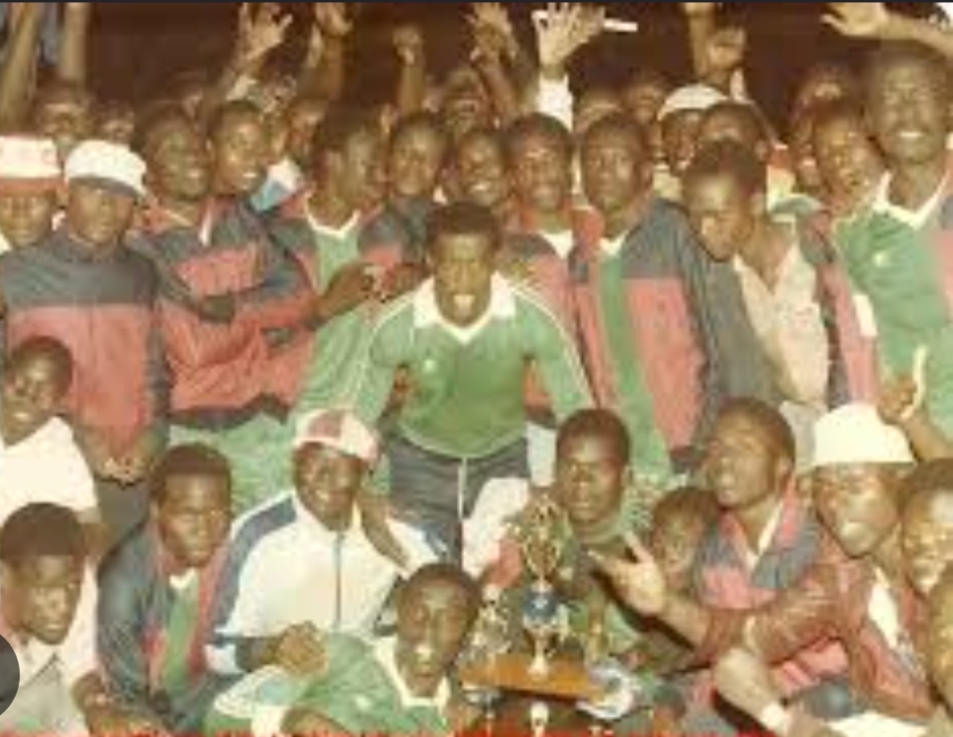
The game was fast-paced. Gor’s lethal counters made them win the day because Leopards were pressing them hard.
“We beat them on those races, and that is how William Obwaka scored the two goals. All of them were against the run of play with strong counter-attacks towards the goal. So that is how it ended 2-0.”
According to Mr Oluoch, a resident of Kisumu, this sweet regional victory made Kogalo fans go into a frenzy, mounting a guard of honour – “sweeping and washing” the road from Jomo Kenyatta International Airport (JKIA) to Nairobi Central Business District (CBD).
Life After Football
“I then moved back to Kisumu to play my last matches with Kisumu Allstars, where I retired in 1992.”
During those years, Oronge adds that hockey was also flourishing in Nyanza, particularly in Kisumu, which had established itself as a world-class hockey region. “Like many young sportsmen of that era, I combined both football and hockey, enjoying the challenge and lessons that each sport offered.”
Oronge had a short stint as Kisumu All Stars tactician and later landed a job at Kisumu Municipal Council before transitioning to the County Government of Kisumu, where he retired.
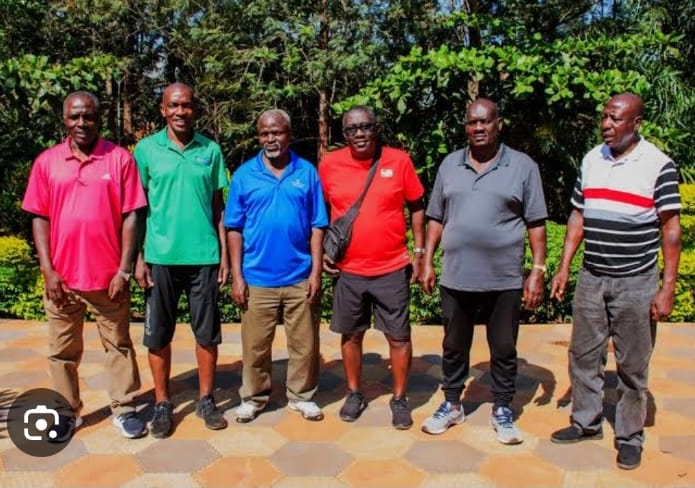
He belongs to the Hedgso Organization that brings together former footballers to tap and nurture new young talents.
“During our days, we played to secure jobs. We were not playing for money, unlike now. Our commitment to the club was greater than what we see now.”
Goro Oronge goes into the annals of Kenya’s football history as one of those players who helped propel Gor Mahia and other clubs to greater heights.