GHANA, November 2026 -A child’s growth depends on more than age. The food they eat, the nutrients they receive and the conditions in which they live all influence their physical development. When access to adequate nutrition is limited over a prolonged period, the consequences can affect a child’s growth and development.
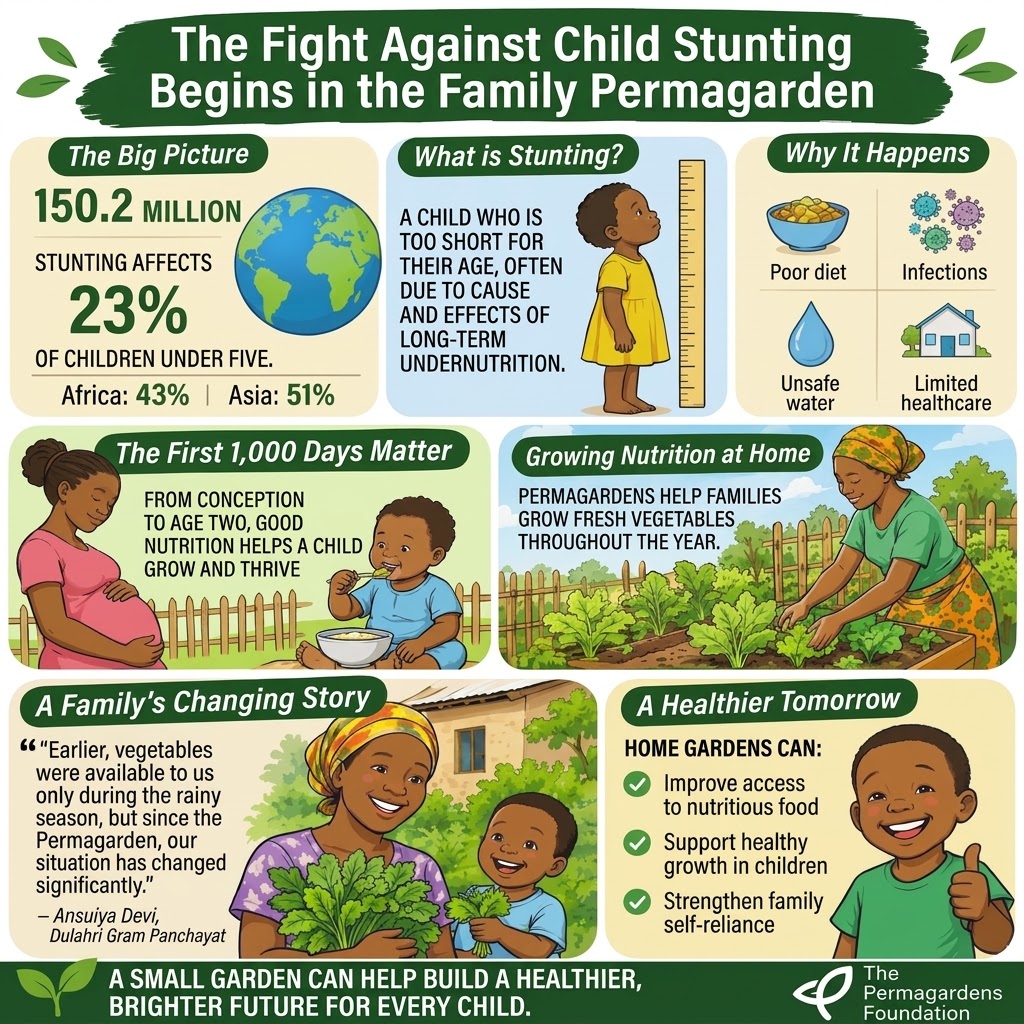
Nearly 150 million children worldwide are stunted, with one in five children under five experiencing growth challenges due to malnutrition, Prof Percival Delali Agordoh said in a recent presentation. Africa and Asia are the worst affected regions.
Prof Agordoh, a dietitian-nutritionist and researcher at the University of Health and Allied Sciences in Ho, Ghana, and Chair of the Evaluation Committee for The Permagardens Foundation, discussed the causes and consequences of stunting, as well as the connection between household food access, diet quality, and child nutrition.
Understanding the scale of stunting
The World Health Organization (WHO) defines stunting as low height-for-age, usually resulting from chronic under nutrition. It is one of three indicators used to assess malnutrition in children, alongside wasting and underweight.
Prof Agordoh outlined that stunting develops through several connected factors.
Two immediate causes are inadequate food intake and infections. However, the underlying conditions include poverty, poor sanitation, inadequate healthcare, limited access to safe drinking water and insufficient care.
Access to food does not always guarantee adequate nutrition. In many low- and middle-income countries, household diets are heavily dominated by carbohydrates, which provide energy but may not supply all the nutrients needed for healthy growth.
“Many do get meals to eat, but those meals do not necessarily qualify to be nutritious meals,” he explained.
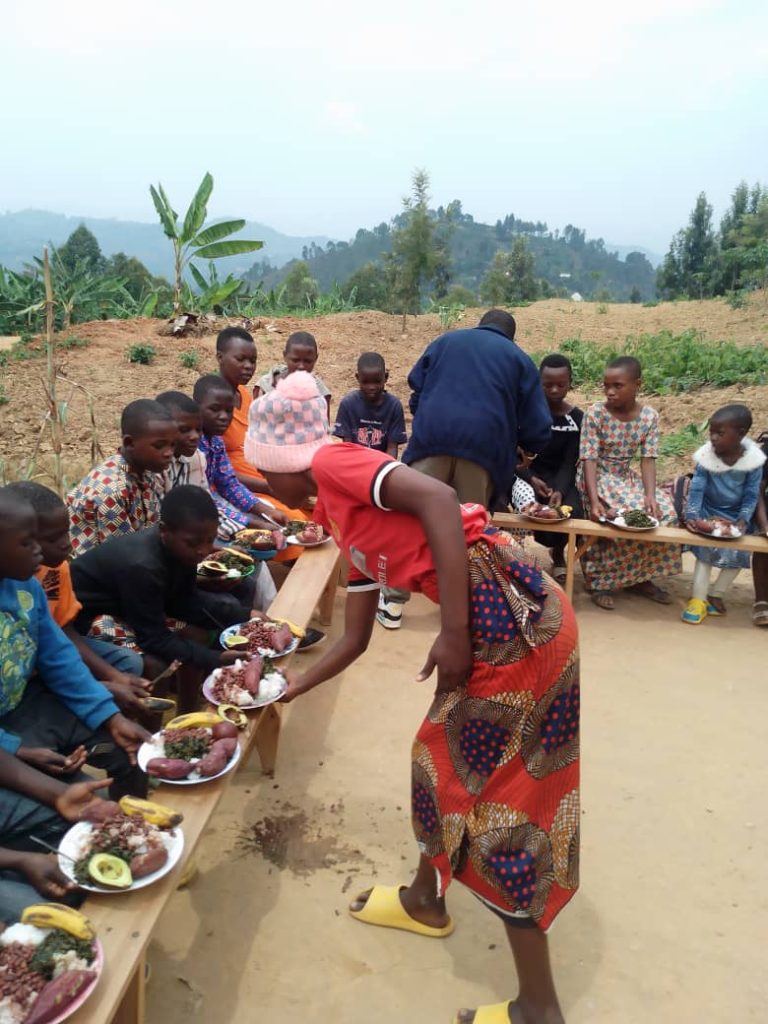
A child may therefore eat regularly without receiving sufficient dietary variety and essential micronutrients. Professor Agordoh identified iron, iodine and vitamin A among the important micronutrients required for good health.
Orange-fleshed sweet potatoes, carrots and papaya are sources of vitamin A, while dark green leafy vegetables provide iron. Including these foods in household meals can help improve dietary diversity and provide essential nutrients for children’s growth and development.
He also detailed how recurring infections can affect nutritional status. Children exposed to unsafe water and poor sanitation may experience repeated illnesses, including diarrhoea, which can affect their ability to absorb and retain nutrients.
These challenges can begin even before birth, particularly when mothers experience inadequate nutrition during pregnancy.
Why the first thousand days matter
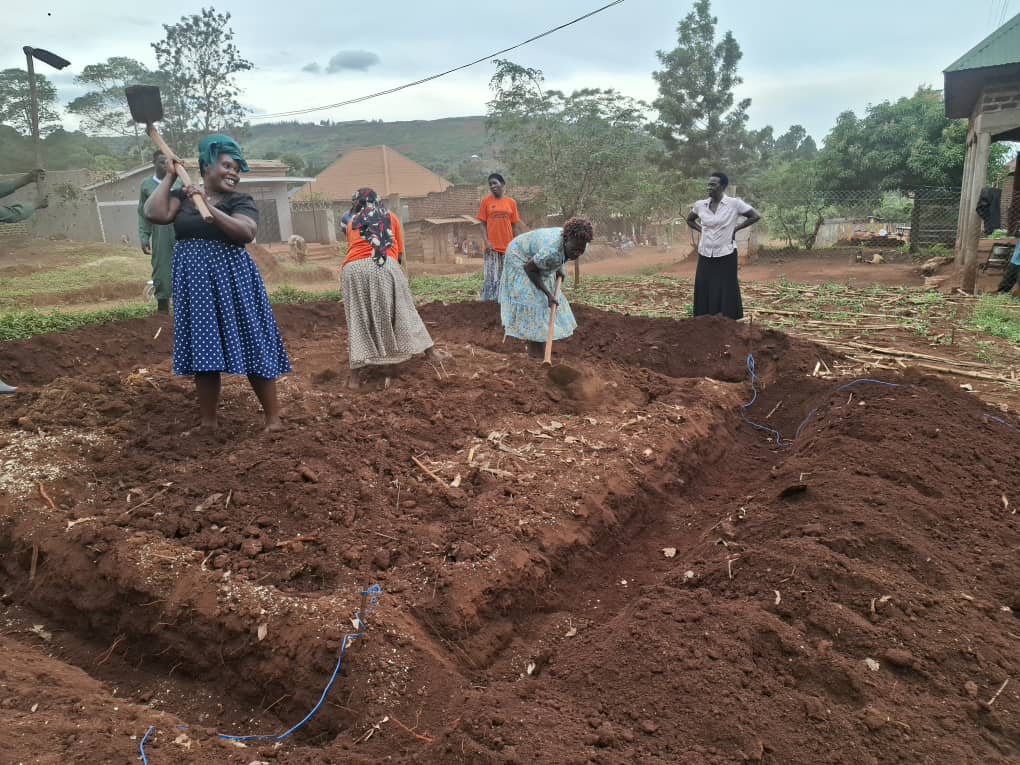
Women prepare garden beds as part of permagarden training.
Why the first thousand days matter
The first 1,000 days, from conception to a child’s second birthday, are an important period for physical growth and development.
Prof Agordoh discussed the importance of maternal nutrition, early breastfeeding and appropriate complementary feeding during this period.
He said that exclusive breastfeeding is recommended for the first six months, followed by the gradual introduction of appropriate family foods while breastfeeding continues.
However, economic pressures can make these feeding recommendations difficult for some households to follow. Parents may struggle to provide diverse meals while meeting other family needs.
To explain the effects of inadequate nutrition on childhood development, Professor Agordoh compared feeding a child to constructing a building.
“Consider feeding a child as a building project,” he said.
He described that construction takes longer when materials are not readily available and must be sourced at every stage. Similarly, when the nutrients required for growth are consistently unavailable, a child’s development can be affected.
Stunting affects more than a child’s physical growth. It can also impair cognitive development, affecting learning, memory and the ability to acquire skills. These effects can persist throughout life, potentially limiting a child’s ability to achieve their full potential.
He further highlighted that prolonged nutritional deprivation can cause the body to prioritize survival over physical growth.
“The bodies of the children make this critical decision to give up on growing taller and focus on keeping the child alive,” he said.
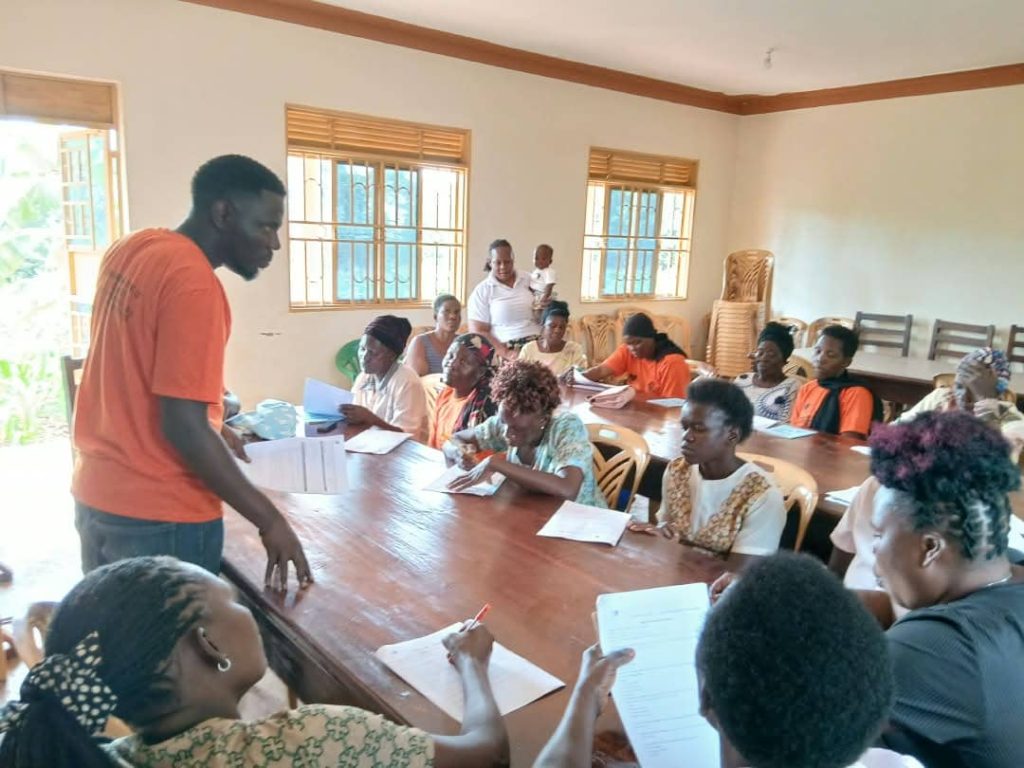
Household access to nutritious food is one of the issues addressed through The Permagardens Foundation’s training programmes.
The Foundation has trained thousands of families to establish and maintain water-smart permagardens, equipping them with practical skills to grow vegetables and other food crops around their homes.
The training focuses on helping households maintain food production across different seasons, including periods when conventional gardening becomes difficult.
This approach addresses one of the challenges discussed by Prof Agordoh: the difficulty some families face in accessing diverse and nutritious foods consistently.
When households can grow vegetables at home, they have an additional source of fresh produce for their meals and may depend less on market purchases.
The experience of participating families provides examples of how this approach has changed access to vegetables throughout the year.
One family’s changing food supply
Ansuiya Devi of Dulahri Gram Panchayat once relied on the rains to grow vegetables and on the market during summer. Her permagarden changed that.
“Earlier, vegetables were available only during the rainy season. Now we have fresh vegetables all year,” she said. “This is the first year our plates have been filled with home-grown vegetables even in summer.”
She said the initiative has improved her family’s nutrition, self-reliance, and well-being.
“The greatest satisfaction comes from growing pure, organic, and healthy vegetables for our family.”
The writer is a science journalist. E-mail: prissyof@yahoo.com