KISUMU, Kenya – A landmark project is underway in Kenya to combat the escalating crisis of plastic pollution by advancing a non-toxic circular economy.
Christened Advancing Non-Toxic Circular Economy Effective EPR Systems to Combat Plastic Pollution in Kenya, the initiative, spearheaded by the Centre for Environment, Justice and Development (CEJAD) which is supported by the German International Development Agency (GIZ) on behalf of Germany’s Ministry of Environment, leverages powerful new national laws enacted in 2022.
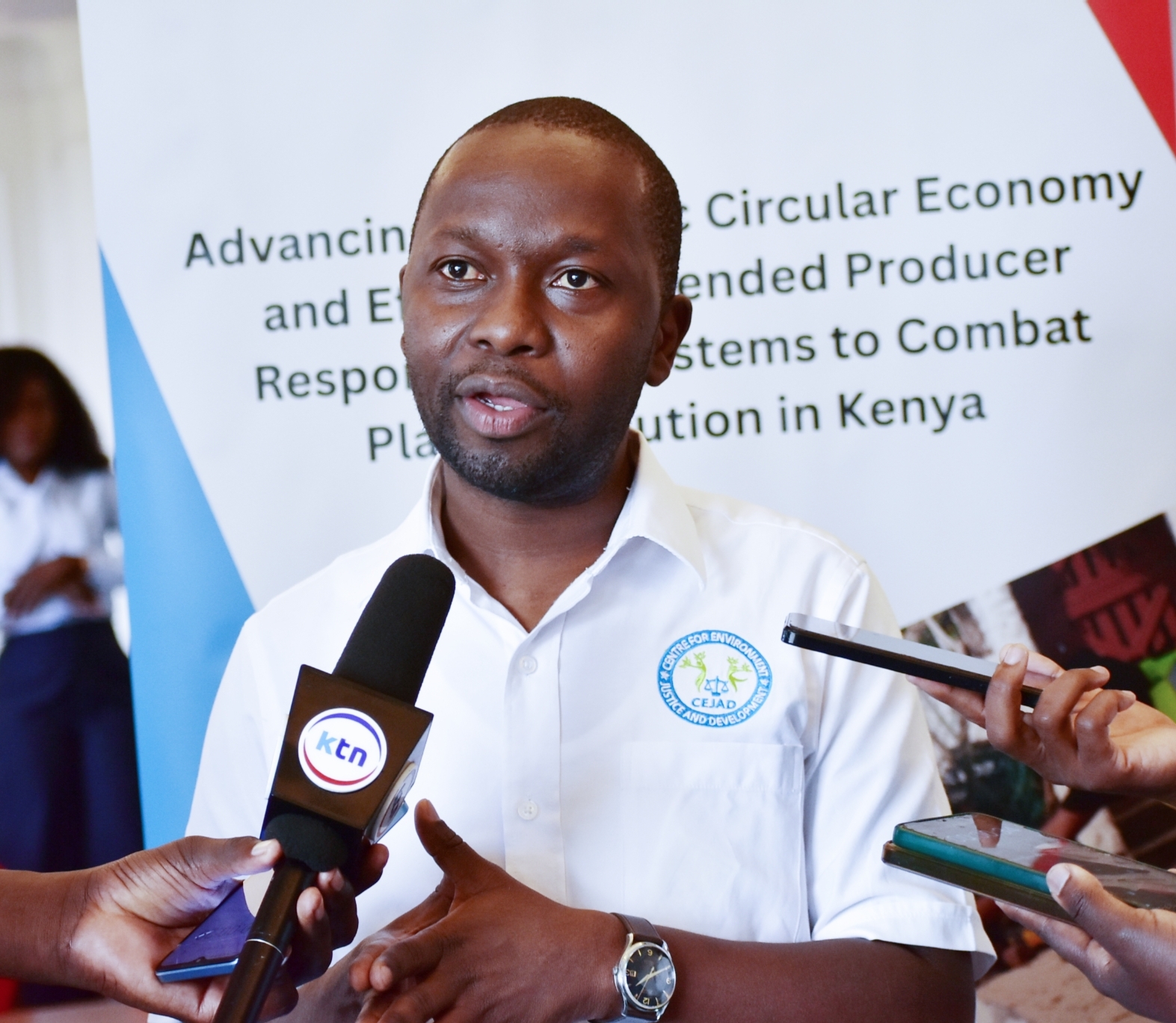
Griffins Ochieng, the CEJAD Project Coordinator, said that their core mission is to ensure the effective implementation of these laws, which centre on sustainable waste management and a policy known as Extended Producer Responsibility (EPR).
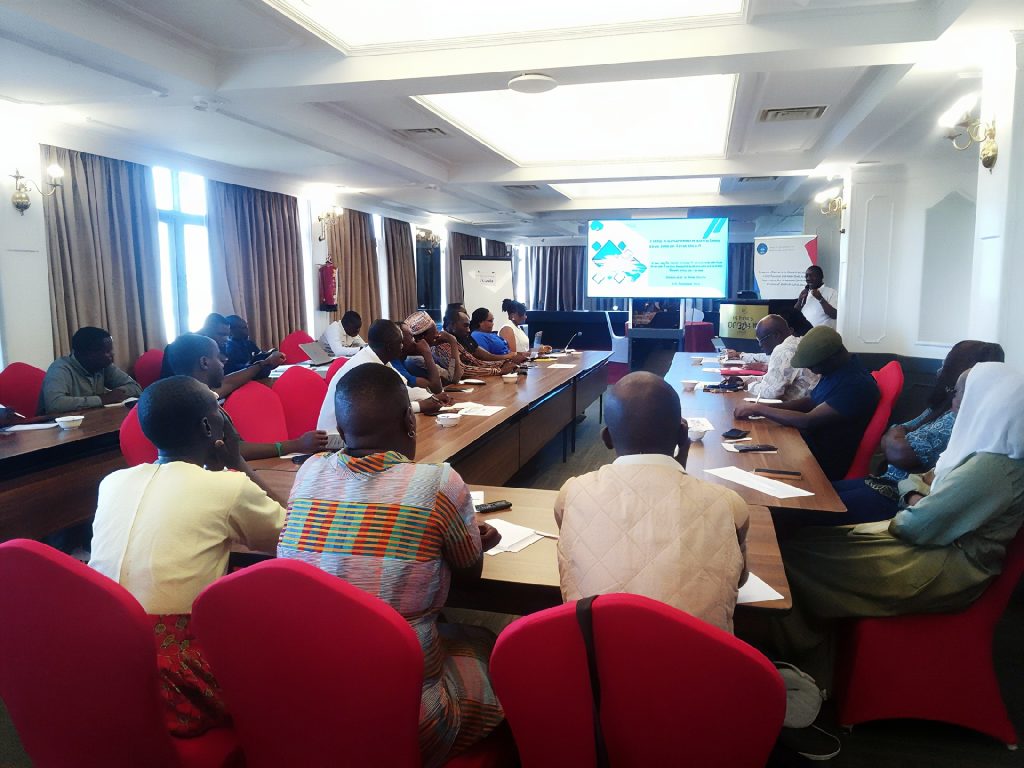
“We currently have new laws that came into place in 2022 around waste management and also the regulations on extended producer responsibility,” Ochieng stated during the Sensitisation Forum on Implementation of Waste Management Regulatory Frameworks hosted by CEJAD in Kisumu County on Tuesday, 25th of November 2025.
“The law’s intent is to transition Kenya from a linear model for waste management where we produce and dump, to a more circular economy model where we minimise waste generation and also promote recycling so that we take this waste product from the environment.”
According to Griffins, this ambitious shift is being operationalised through a project with three key objectives of Strengthening Collaboration, Raising Public Awareness and Elevating Marginalised Groups.
“We are keen on fostering stronger partnerships between county and national governments, waste pickers, and product producers to enhance the practical application of the new laws,” he emphasised.
At CEJAD, he continues, they’re laser-focused on creating public understanding of both visible plastic pollution and the “invisible pollution” from hazardous chemicals used in some plastic products.
On this trajectory, they facilitate the engagement and integration of waste pickers into the formal waste management value chain by elevating their benefits, knowledge, and operational skills.
Ochieng also emphasised the critical role of waste pickers, highlighting the project’s commitment to a “Just Transition.”
“Leaving no one behind, as we call it in the just transition system, is that they need to be part and parcel of this new shift in waste management,” he said.
“We are emphasising the importance of integrating waste pickers in the Material Recovery Facilities (MRFs) required under the new sustainable waste management law.”
To build momentum, the project is conducting a series of county sensitisation forums in Kisumu, Nakuru, and Nairobi. These forums are designed to clarify the new obligations and compliance requirements for all stakeholders.
“We want to know what the responsibilities are, what the compliance requirements are coming from the national government, and how it cascades to the counties in terms of responsibility for each and every stakeholder,” Ochieng explained.
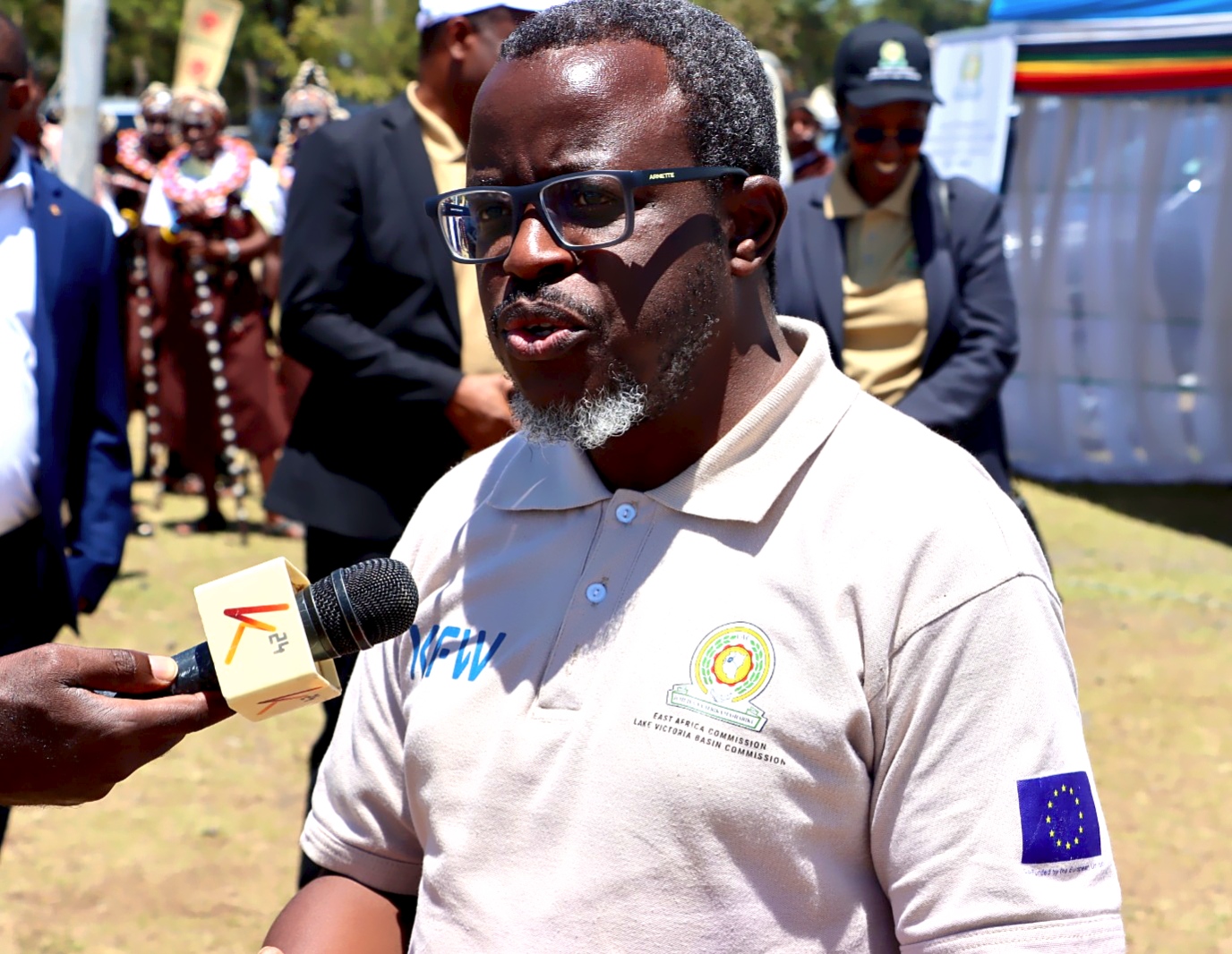
Leonard Ofula, the National Environment Management Authority (NEMA), Kisumu County Director, confirmed that the county government is actively working to implement the Sustainable Solid Waste Management Act of 2022.
“As a state agency, we are aware that the county government of Kisumu is in the process of coming up with its legislation towards this issue, and I’m sure very soon they’ll have it in place,” Ofula said.
A cornerstone of the new regulatory framework is the EPR system, which he noted will legally obligate producers to manage the post-consumer waste of their products through established Producer Responsibility Organisations.
“This regulation is going to be very key, especially when it comes to the issue of reducing waste, like plastics, within our environment,” Ofula added.
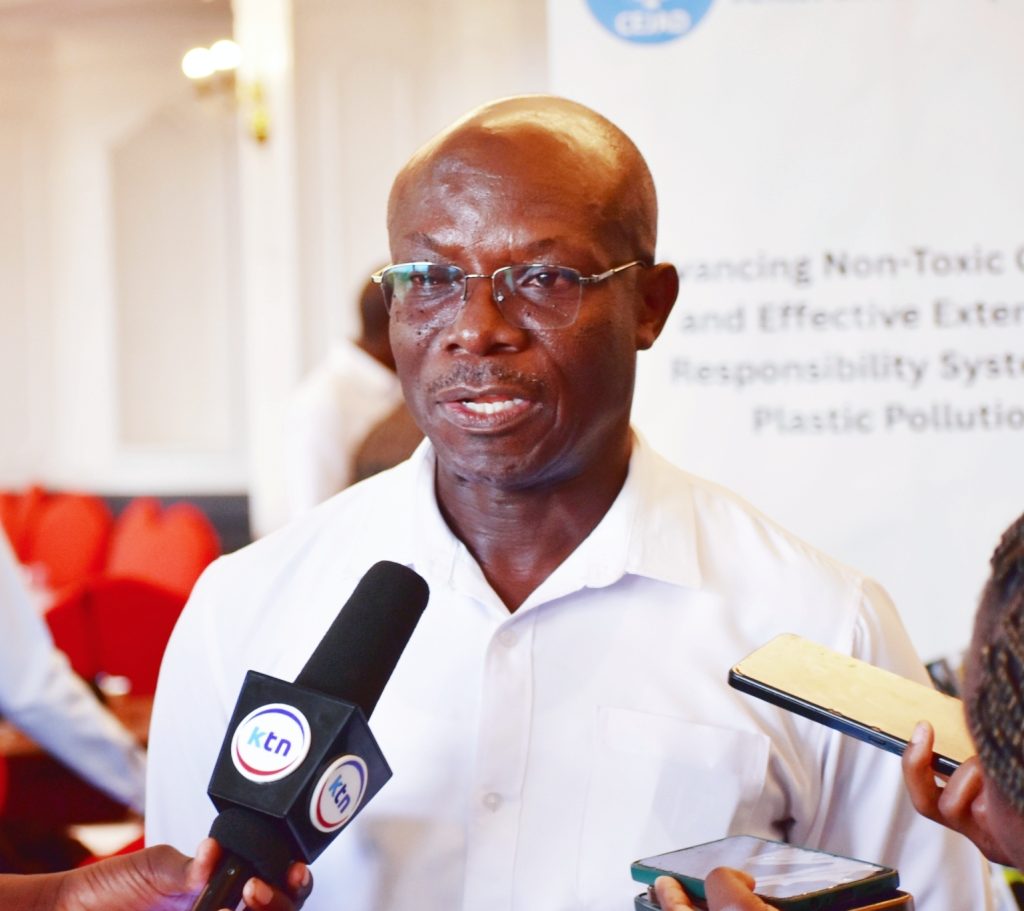
His views were affirmed by Felix Osawe, Chief Officer Environment who reiterated their commitment to this national directive.
“CEJAD’s continued collaboration with the Kisumu county government helps us to strengthen our collective capacity to address waste management challenges in a structured, inclusive, and sustainable manner,” he said in a speech read on his behalf by Environment Director Mr Martin Oloo.
He observed that effective waste management is key to public health, environmental conservation, climate resilience, and the development of a circular economy.
The environment department has thus domesticated the Sustainable Waste Management Act aimed at strengthening policy alignment, enhancing partnerships with producer responsibility organisations, supporting community-based recyclers, and promoting segregation and recovery of materials.
With the combined force of new national legislation, county-level action, and targeted projects focusing on inclusion and awareness, stakeholders anticipate significant environmental progress. The project aims to significantly reduce waste and promote conservation, with local officials expressing optimism.
“We are going to see a lot of changes and a lot of improvements on environmental conservation within our county, especially here in Kisumu,” Ofula concluded.