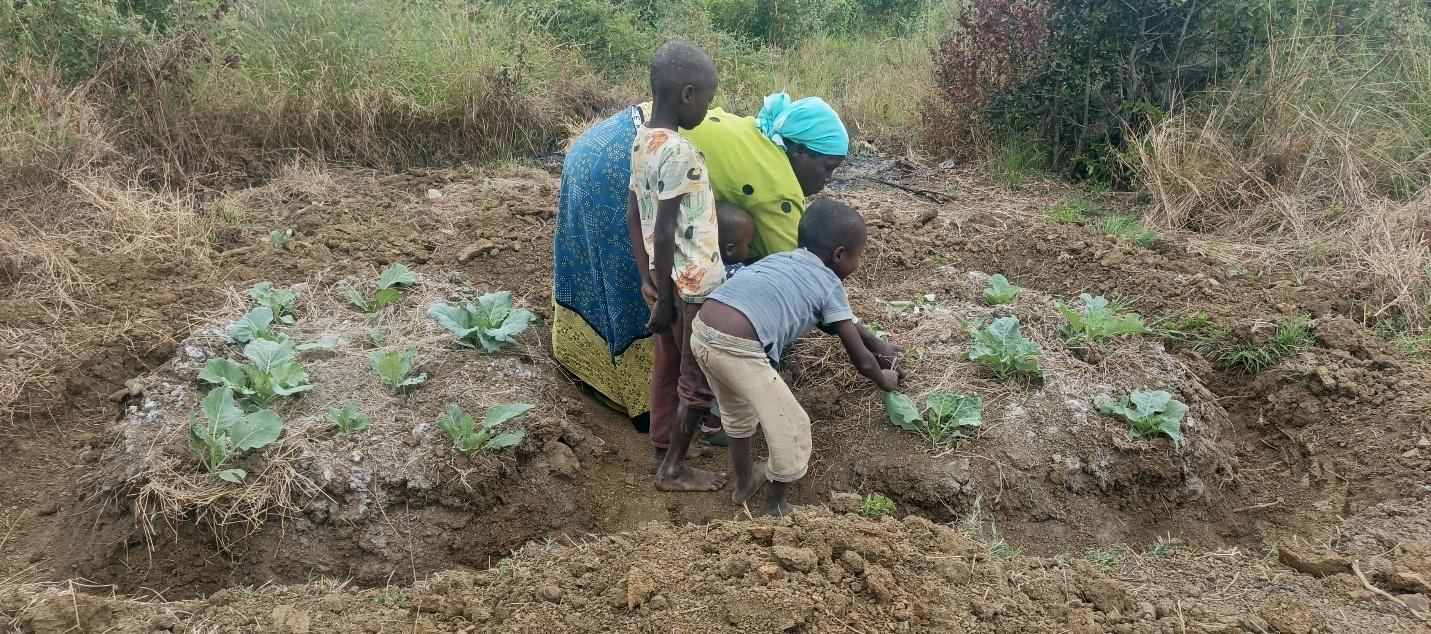
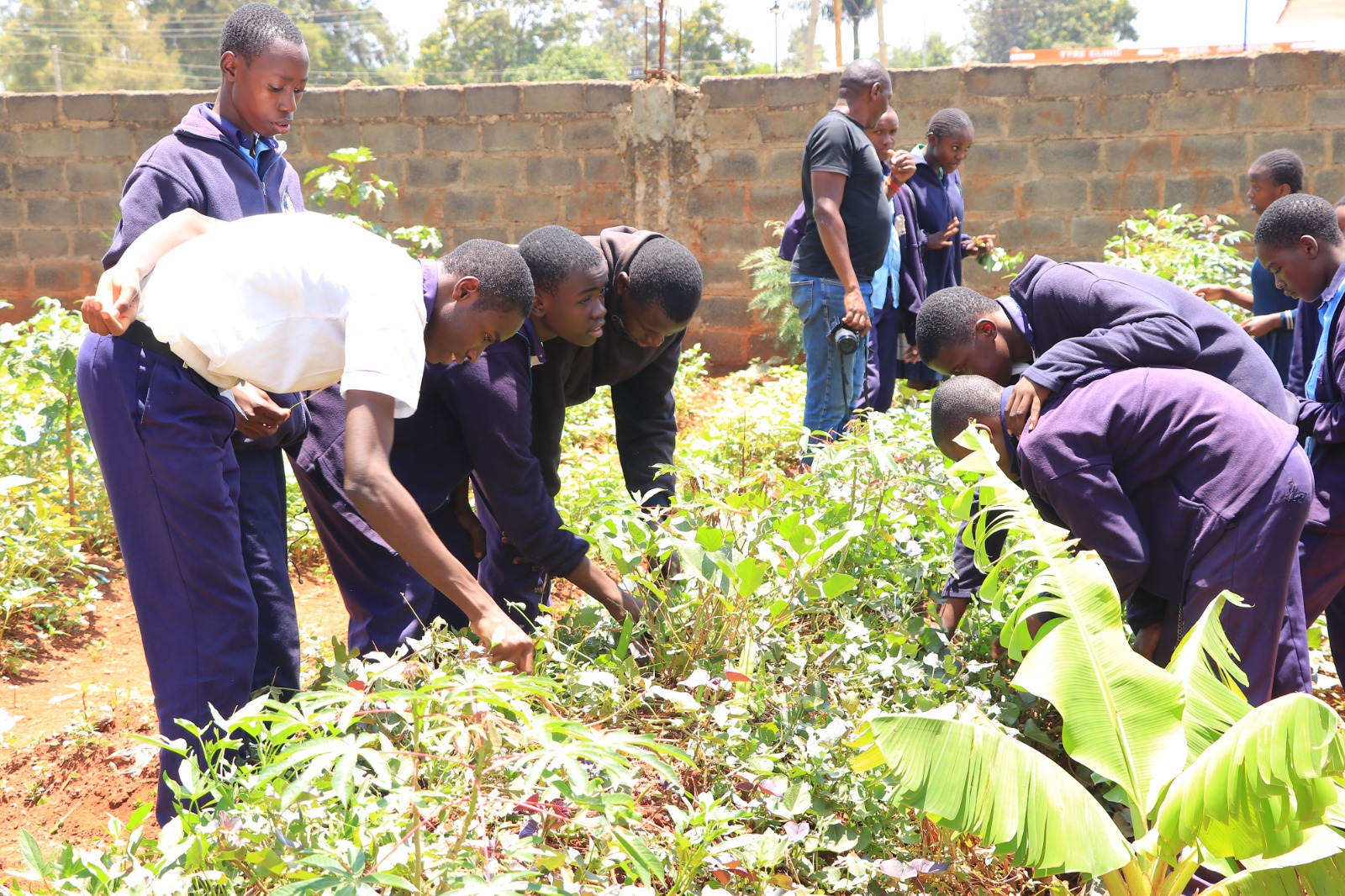
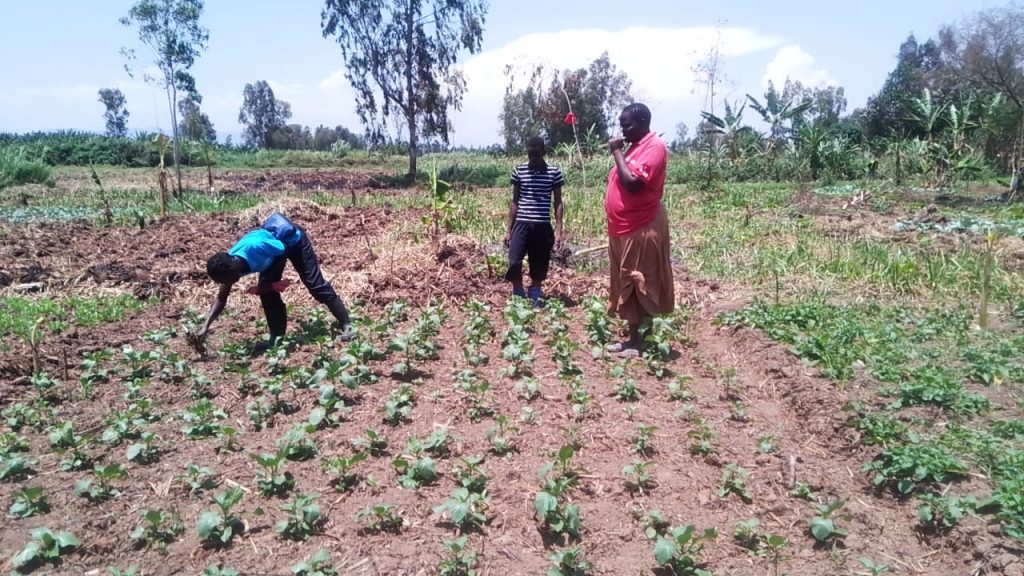
KAPUOTHE, Nyalenda B – In the pre-dawn darkness, the fields of Kapuothe come alive with bevy of activities. Situated along the shores of Lake Victoria in Nyalenda B, Kisumu Central Sub-County, this agrarian landscape is a hive of purposeful labour as farmers prepare their fields for the next planting season using time-honoured, traditional methods.
As the sun rises, the farmers’ dedication becomes evident in their meticulous application of intergenerational knowledge. The air carries the scent of ripening produce and the chirping of birds, a direct indicator of the rich agrobiodiversity they cultivate.
This collective, comprising youth, women, and elders, is united by a critical mission: to preserve indigenous seeds, promote organic farming, and secure food sovereignty for future generations.
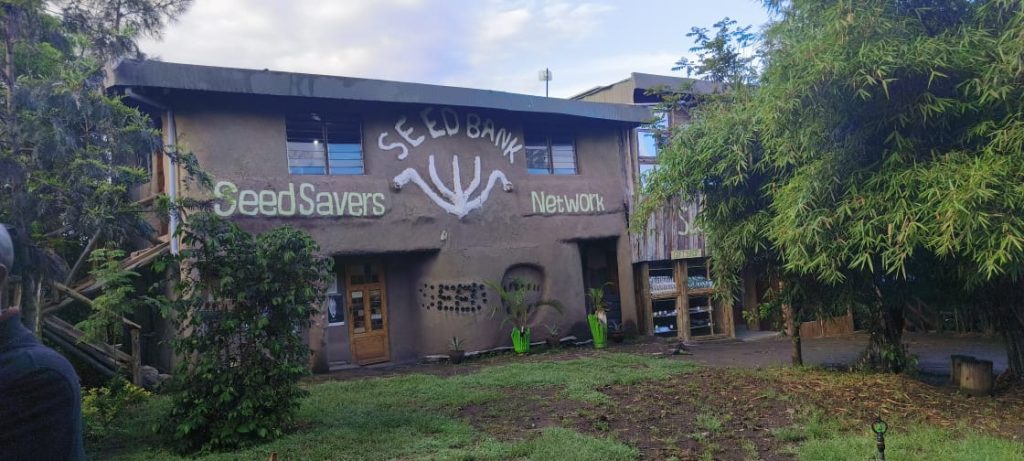
Spearheading this initiative is Jennifer Adoyo Otieno, an ambassador for the Seed Savers Network (SSN). Since its inception in 2009, she says the organisation has been a cornerstone in the fight against agrobiodiversity loss, working with over 10,000 farmers in Kenya and 96,500 across Africa.
According to Jennifer, SSN has established over 121 Community Seed Banks and trained 4,820 Seed Ambassadors. They also facilitate seed exchange programs among smallholder farmers in the counties.
“The network has documented over 3,000 seed varieties conserved in both the National Genebank and Community Seed “, Jennifer states while adding that they have conducted 83 Seed Fairs in 16 years of service.
Their work focuses on youth and women in agriculture, including agroecological practices such as smart farming, and advocating for government policy shifts on seed preservation, with a pivotal court ruling expected on Thursday, 27th November, 2025.
Their on-the-ground impact in Kisumu is significant, and they have established a community seed bank, which is a repository for indigenous germplasm (refers to genetic resources such as seeds, tissues, and DNA sequences that are maintained for the purpose of animal and plant breeding).
They have also trained over 15,000 farmers on Agroecology; ” By learning sustainable agricultural practices, seed saving techniques, and crop management.” This is a core tenet of their approach, which promotes crop diversification to reduce reliance on commercial, proprietary seeds and synthetic pesticides.
Seed Preservation Statistics
While farmer-managed systems lack centralised national data, key institutions provide insight. The Genetic Resources Research Institute (GeRRI), the national genebank under Kenya Agriculture and Livestock Research Organisation (KALRO), conserves over 51,000 plant accessions.
However, the majority of Kenya’s seeds are preserved through informal, farmer-managed seed systems, estimated to account for 60-70 percent of all planted seeds.
“We empower farmers to become stewards of their own seed security. These indigenous seeds are uniquely adapted to our African soils and often thrive without synthetic fertiliser inputs,” Jennifer explains.
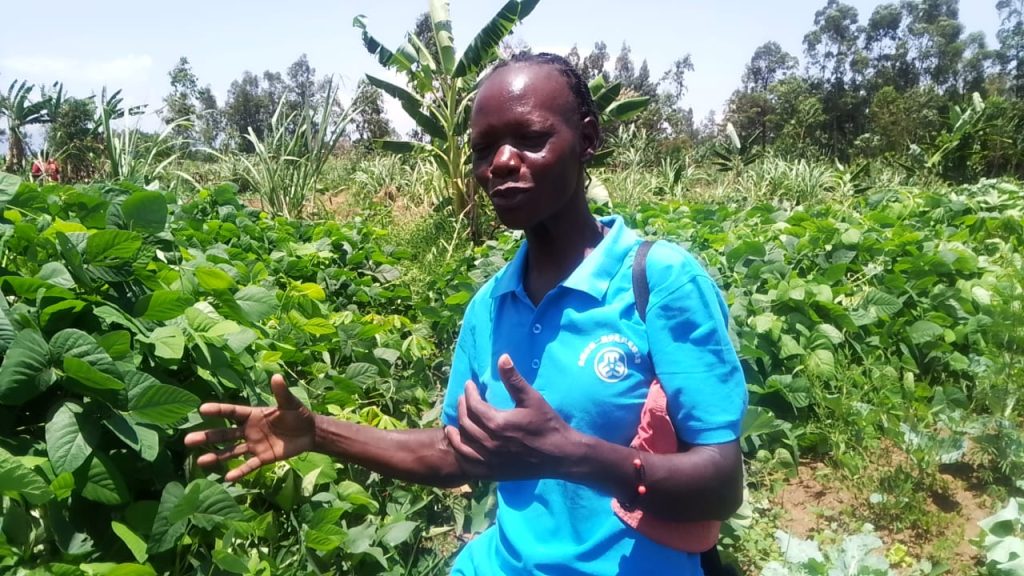
The rationale for preservation is multifaceted. “It’s a direct strategy against poverty. Seed security translates to food security,” she says, enabling farmers to bypass market dependencies.
According to Jennifer, the Network also educates farmers on traditional methods for soil amendment, such as applying ashes, as well as husks from beans, potatoes, and bananas, to maintain organic integrity.
Emboldened by their slogan ‘My Seeds, My Food and My Future,’ their pedagogical model is holistic: farmers learn to select seeds, monitor growth, nurture the crop, and finally, preserve the harvest using taught traditional methods.
“This creates a personal seed bank, a buffer against financial hardship,” Jennifer notes, with an ambition to scale this model to county and national levels.
According to Jennifer the Network emphasises cultivating African Indigenous Vegetables (AIVs) like Cowpeas (Kunde), Spider Plant (Dek), African Nightshade (Osuga), and Clotarelia (Mito). They pay special attention to species like Green grams (Desruadia), which have a high shattering rate upon maturity, requiring careful harvesting to prevent total crop loss.
In Kisumu, the community uptake is growing through a seed-on-credit system, repaid after harvest.
“The embrace is tangible, but we must widen our reach through partnerships,” Jennifer states, stressing the need for knowledge transfer to the younger generation.
Whereas the organisation has enabled the creation of over 7,000 kitchen gardens, it advocates for every household to maintain one for immediate food security.
On-Farm Research and Innovation
To bolster their work, the Network has established demonstration farms and an upcoming learning centre at Kapuothe, creating a Citizen-Science Model.
“We want farmers to study and document the timing of seasonal natural events,such as the flowering of plants, the migration of birds, and insect emergence (phenological observations), and experiences directly,” Jennifer says.
This includes research trials on new crops, such as the Velvet Bean (Mucuna), a nitrogen-fixing cover crop rich in L-DOPA.
To eradicate L-DOPA chemical in the beans, it must be soaked and boiled for 24 hours with water changes to reduce chemical levels, then cooked for three hours.
She says that Mucuna has 24 benefits, including helping to manage blood sugar levels, improving moods and insomnia, improving male and female libido, managing Urinary Tract infections (UTIs), and Neurological disorders.
“It can be ground into flour for porridge or chapatis, offering anti-ageing benefits,” Jennifer explains.
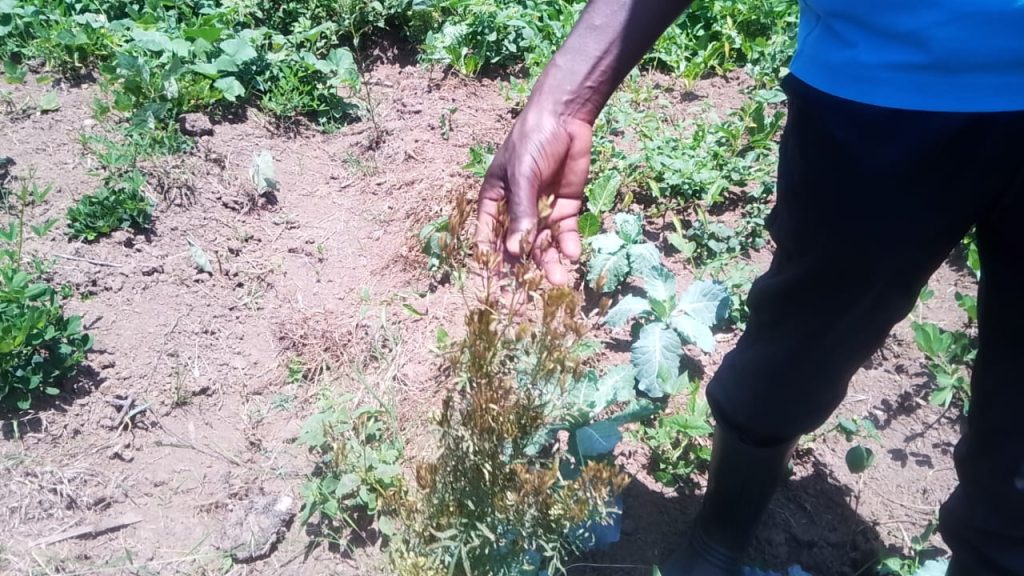
For a liquid organic pesticide, Jennifer advises that farmers should soak marigold leaves with Tithonia, garlic, and hot pepper for three days. Mulching with dry grass is widely practised to conserve soil moisture, with the grass later decomposing into organic manure.
During a farm walk with this writer, Jennifer highlighted varietal differences, pointing out the exotic (wide, purple-leaved) and indigenous (sharp, orange-leaved) varieties of African Nightshade. She demonstrated the seed extraction process: soaking the purple berries, then pressing them through a sack to separate seeds, which are then preserved using aloe vera and hot pepper to prevent infestation.
Infrastructure Ambitions
Echoing Jennifer’s sentiments, are her fellow farmers Mildred Omondi and James Ayuyo emphasise that producing safe, chemical-free vegetables for market requires reliable, clean water. With a high water table, they propose sinking shallow wells (12-15 feet deep) and employing solar-powered pumps for irrigation.
“This aligns with a blue economy model, using solar energy to avoid emissions and ensure a clean water source, free from contaminated river water,” Ayuyo advises.
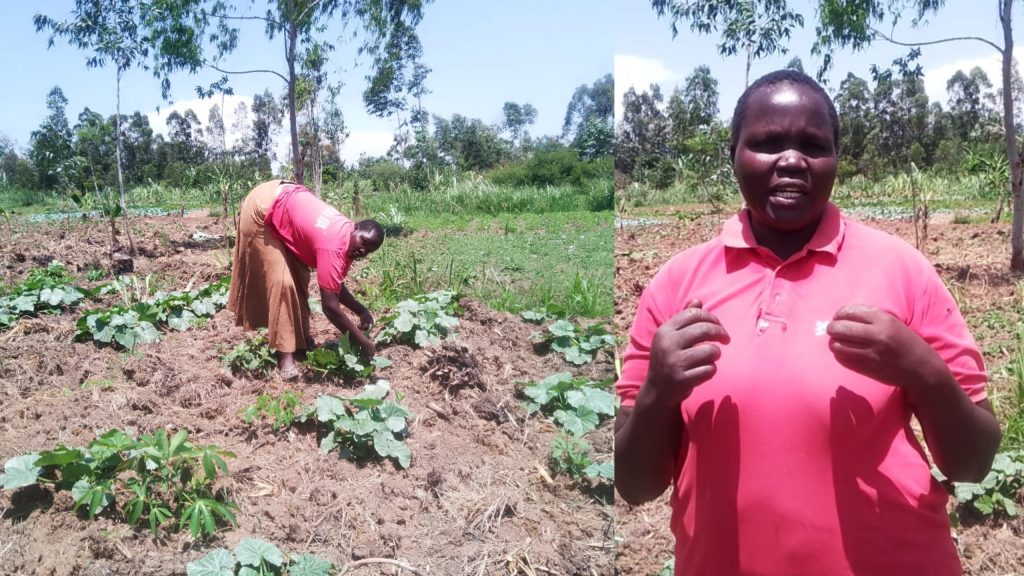
He adds that the region’s inherent soil fertility can be enhanced using organic manure sourced from the livestock kept by residents in the adjacent Nyalenda informal settlement. This closed-loop system would enable the production of fully organic vegetables.
Through collaboration with Kisumu Woman Representative Ruth Odinga, a demonstration farm has been set up with seed companies. With this partnership, the farmers explained that they are the custodians of certified seed production.
“We will manage the plots, host field days, and the proceeds from sales are ours. This will incentivise the use of fallow land for high-value crops like onions, watermelons, and capsicum.”
The outcome, he envisions, will be “nutrient-dense produce, enhanced household food security, increased income, and expanded agri-opportunities for youth and women.”
Persistent Challenges
Despite progress, significant stresses still remain among Biotic (anything that’s living or emanates from living organisms such as plants, animals and bacteria), and Abiotic (non-living components like water, soil and atmosphere).
This is evident with crop damage by wildlife, particularly hippos, is a major issue. Farmers suggest creating designated drinking points and planting Napier grass as a buffer crop to deter them.
This is coupled with the inaccessibility of farms during rains inflates the cost of mechanised tillage via tractors.

“The challenge is starting, but with government support in irrigation infrastructure and consistent extension services, we will thrive,” Ayuyo asserts.
Addressing these concerns, Kisumu Crops Officer Mr Justus Ochieng Odemba highlighted several county initiatives. These include the establishment of an agrobiodiversity centre in Nyakach and support for youth and women through agricultural officers.
Mr Odemba also pointed to the National Agricultural Value Chain Development Project (NAV-CDP), a national government initiative funded by the World Bank which is transforming smallholder farmers from subsistence to commercial farming.
It also focuses on increasing value addition and market participation for farmers in 33 counties by heavily investing in infrastructure, irrigation, credit access, and climate-resilient farming practices.
“We encourage farmers to form SACCOs to benefit from matching grants and also train 192 youth in schools under the KUUZA Project to foster agripreneurship,” Odemba said, stressing the importance of the cooperative model.
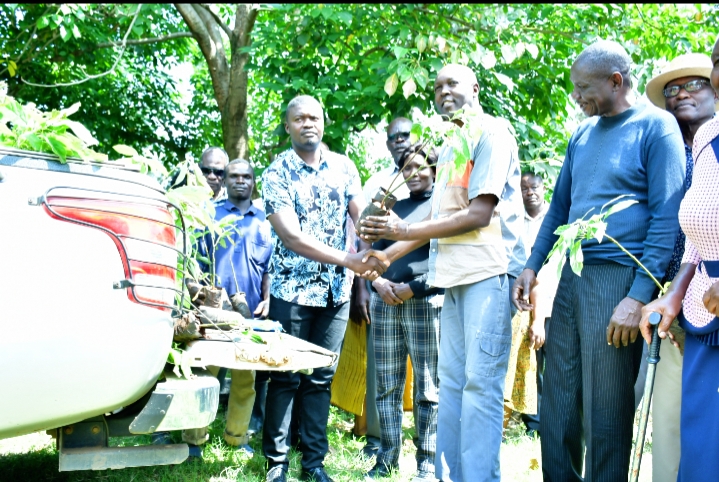
The county agricultural department, in partnership with the German Agency for International Cooperation (GIZ) and the Cereal Growers Association (CGA), is establishing 15 Farmers Service Centres in Kisumu.
Affirming this position, GIZ Policy Advisor Evans Asena, revealed that the first phase of FSCs will not only be set up in Kisumu, but also in Nakuru and Kakamega targeting 40,000 smallholder farmers, before being rolled out across the country.
“This is intended to train agripreneurs and registered farmers on agroecology, climate-smart agriculture and sustainable food systems,” Asena said during the signing of an MOU with the Kisumu County government in mid-June 2025.
Sustainable Future
The Seed Savers Network in Kapuothe stands as a testament to the power of community-led agrarian reform. By championing indigenous seed systems and agroecological principles, they are building resilience against climate change and market volatility.
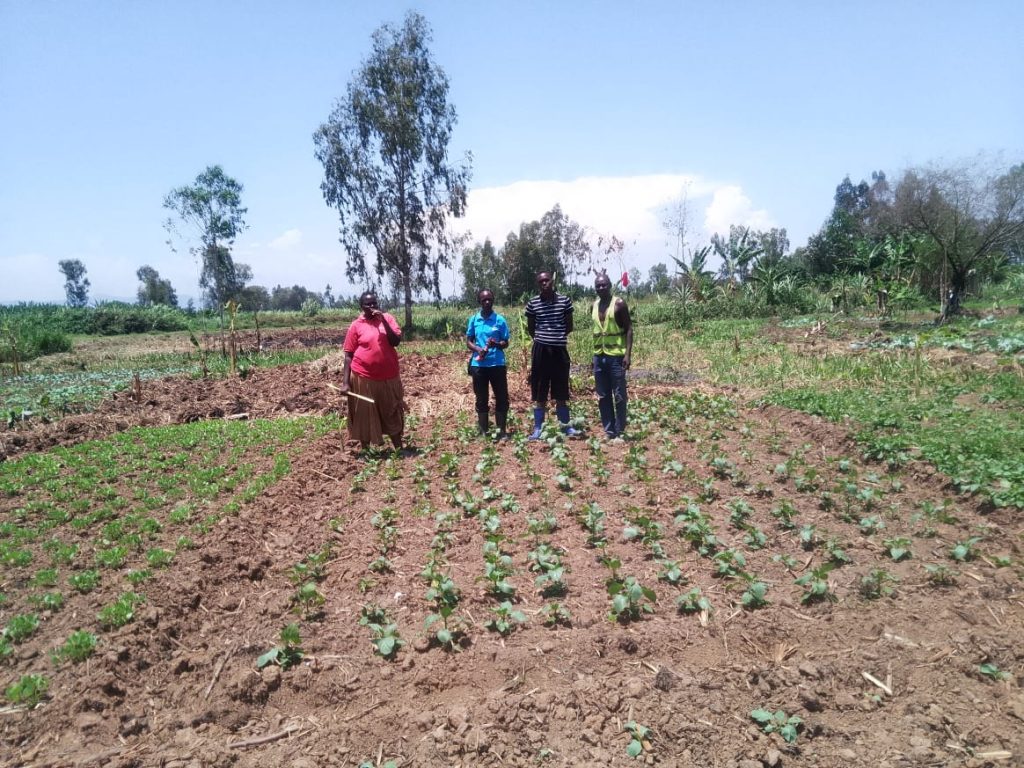
The network reports that seeing successful harvests has motivated many youths to engage deeply with farming, with some earning between Sh1,000 and Sh2,000 daily.
“The youth have developed a passion for the land, working from dawn until dusk because they see the tangible results,” they concluded.
As dusk settles over Kapuothe, the farmers survey their fields with a sense of accomplishment, knowing they are cultivating not just crops, but the seeds of a more sovereign and sustainable future. Their resolve serves as a powerful inspiration for a broader agricultural transformation.