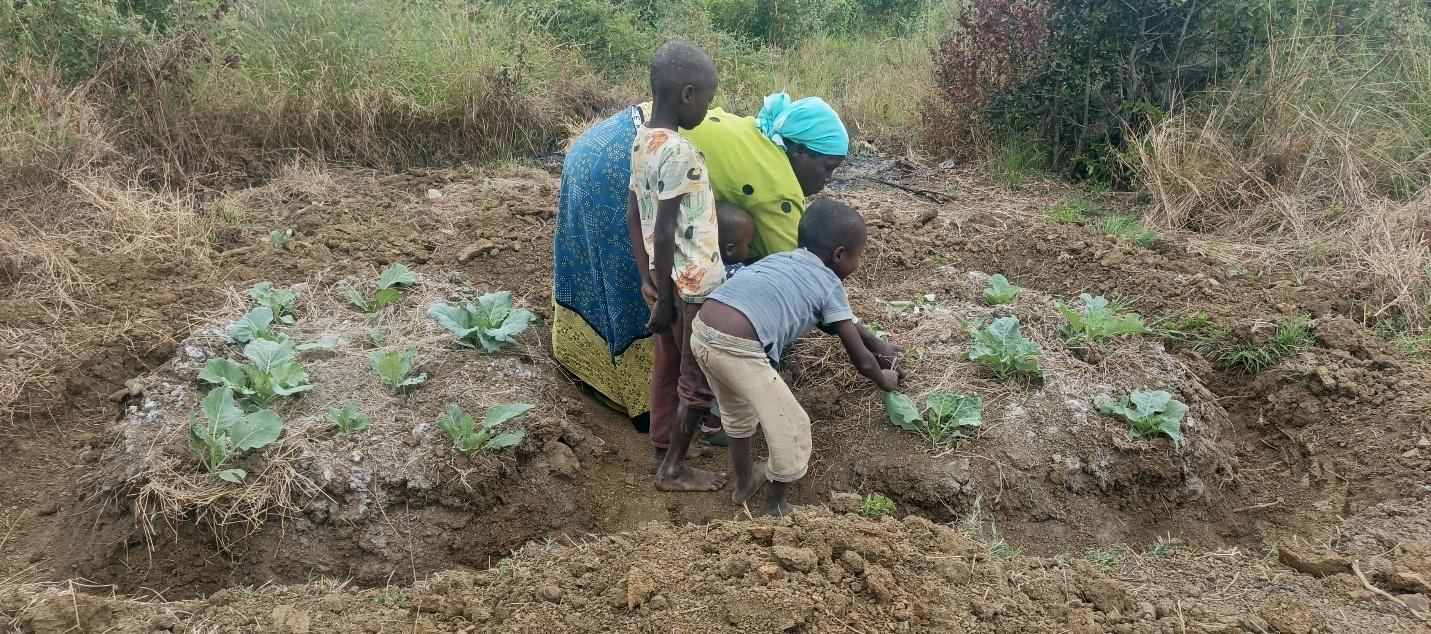
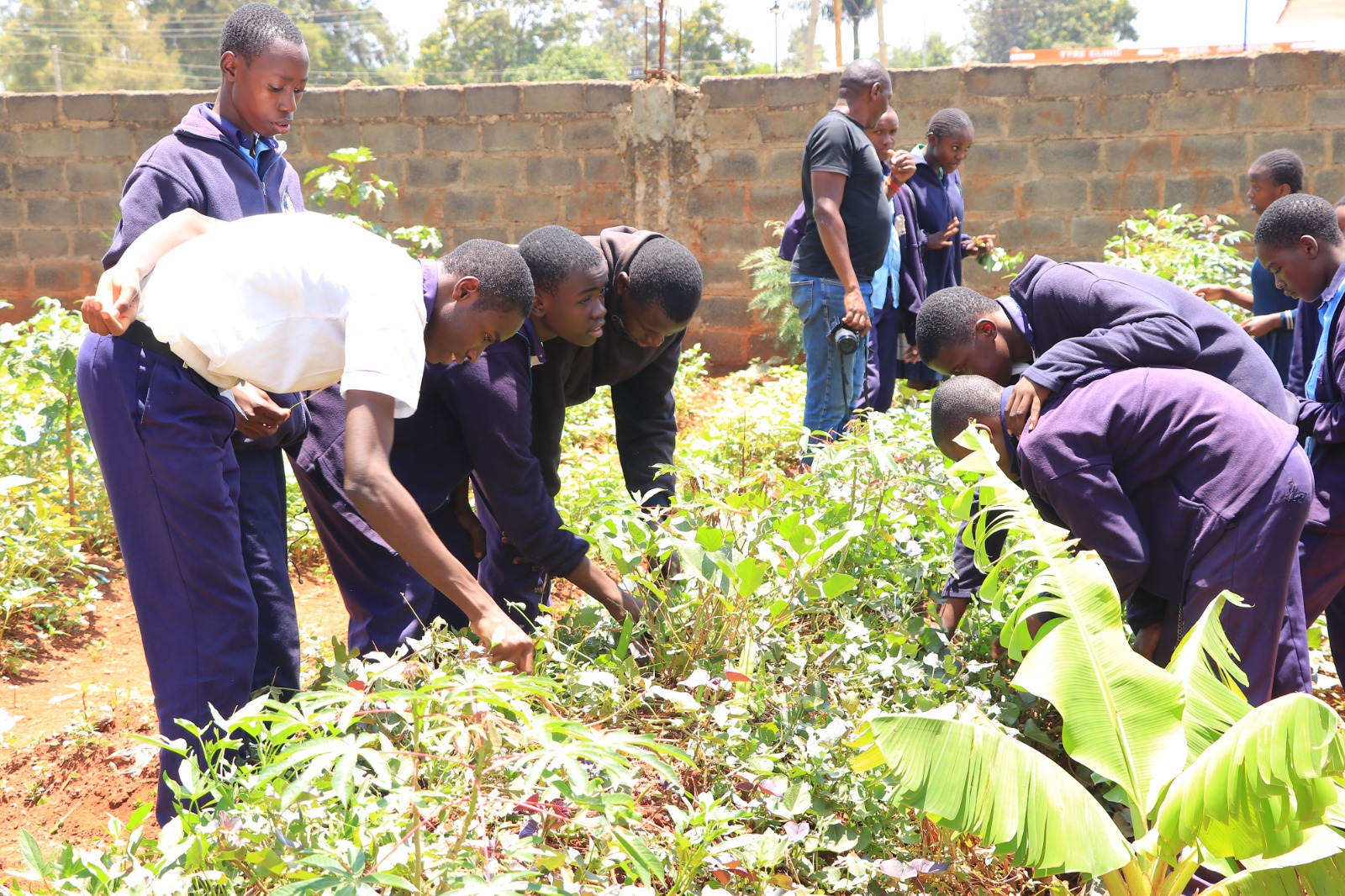
Homa Bay County,27 June 2026 –What began as a contentious shift toward production agriculture under President William Ruto is now yielding visible results in rural Kenya, with the Kimira-Oluch Smallholder Farm Improvement Project (KOSFIP) emerging as a key example.
Located in Homa Bay County, the KOSFIP irrigation scheme is changing how smallholder farmers farm, earn, and feed their communities. Managed by the Lake Basin Development Authority with support from the African Development Bank, the project has turned previously unproductive land into a commercial farming hub.
The scheme consists of two connected blocks. Kimira, fed by River Kibuon, covers 808 hectares across 44 blocks. Oluch, drawing from River Awach Tende, spans 666 hectares across 53 blocks. Together they have a potential command area of about 9,000 hectares.
Currently, 809 hectares are under crop and nearing harvest. Canal rehabilitation has also reclaimed more than 2,000 acres of swampy land that was once unusable.
According to the Principal Secretary for Internal Security and National Administration Dr Raymond Omollo, the project validates the administration’s agriculture-first approach.
“Oluch-Kimira is proof that deliberate investment in productivity pays off. It is strengthening food security, creating decent work, and empowering rural communities,” Dr Omollo said during a visit to the scheme.

He said the State Department is working with county leaders, administrators, and residents to protect the infrastructure and keep the area stable for farming.
“The National Government will continue to safeguard public investments here. We are improving coordination, promoting peaceful coexistence, and maintaining a secure environment so farmers and agribusinesses can realize the project’s full potential,” he added.
Because the system is gravity-fed, farmers avoid the high cost of pumps and fuel. That saving has drawn more than 1,500 smallholders into commercial rice production, with the Oriang variety leading output. Reliable year-round water has also enabled diversification into maize, tomatoes, kales, watermelons, soybeans and sunflowers.
The impact is wide as over 3,000 farming households depend directly on the scheme, while an estimated 400,000 residents in Nyanza benefit indirectly through food supply and local trade. KOSFIP now stands as one of the flagship models being cited as Ruto’s production-focused agricultural policy moves from policy to practice.