
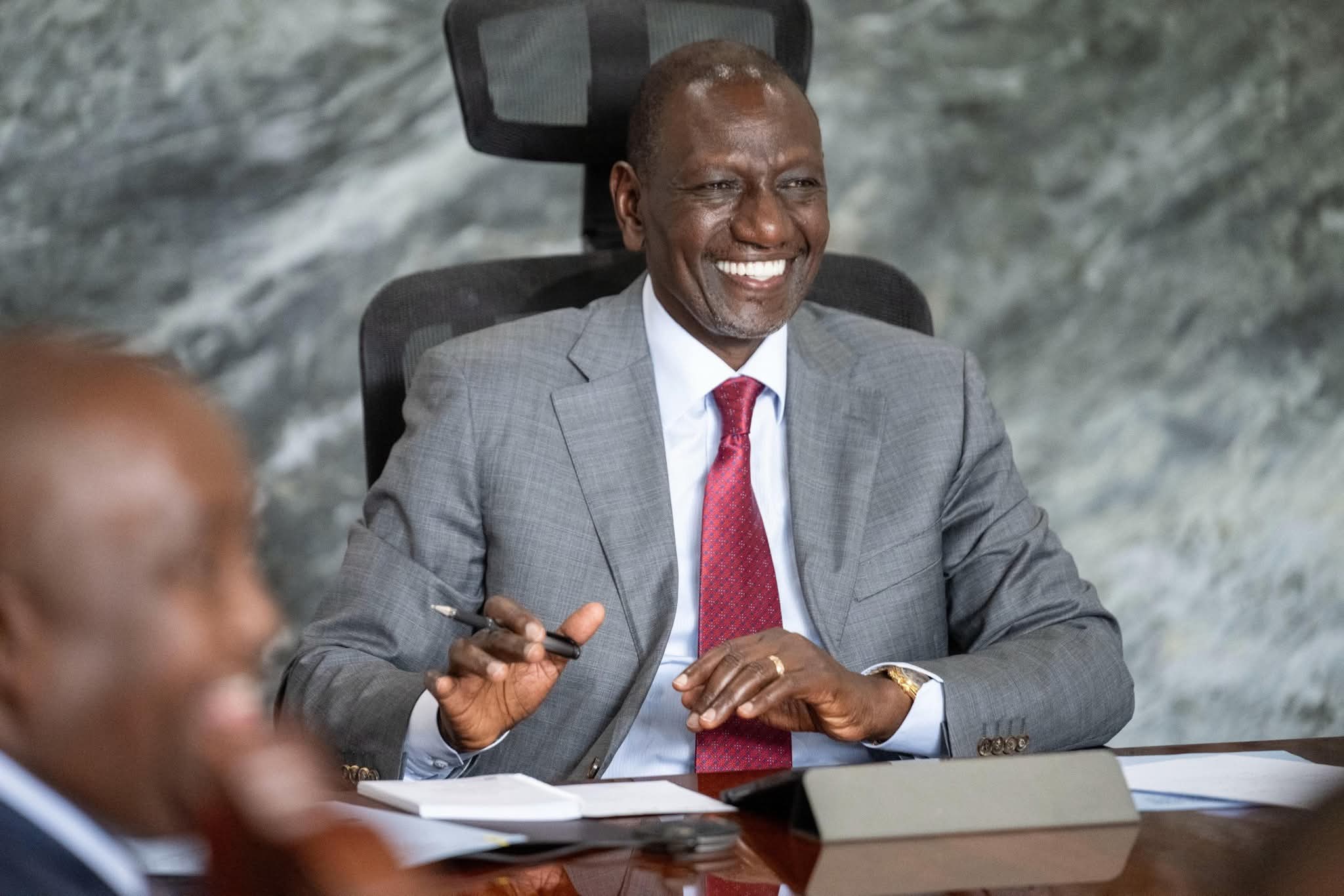
Nairobi, 9th July 2026 –President William Ruto has issued an urgent warning to continental leaders, stating that Africa “cannot afford to slow down” its transition away from toxic traditional fuels that currently threaten the health and environment of nearly one billion people.
Speaking during a high-level virtual event on Clean Cooking in Africa co-hosted by the International Energy Agency (IEA), Dr Ruto welcomed a massive $900 million (Sh116,343,000,000 billion) in new financial pledges to fast-track clean energy infrastructure across the continent aimed at eliminating the cooking crisis ahead of the upcoming second Africa Clean Cooking Summit.
The Head of State positioned the clean cooking transition as an urgent socio-economic and public health emergency rather than a standard environmental target. With only five years remaining until the United Nations Sustainable Development Goals (SDGs) deadline, he emphasized that the health, education, and environment of millions remain actively threatened by traditional fuels.
To combat this, Kenya has officially elevated the issue to a cornerstone of its national policy.
”We are accelerating investment and stronger partnerships that will ensure universal access to clean cooking across Africa,” President Ruto stated as he reaffirmed Kenya’s commitment to clean energy.
“We have made clean cooking a national development priority through the Kenya National Cooking Transition Strategy, which aims to achieve universal access to clean cooking by 2028.”
He also strongly welcomed the deployment of the newly established Clean Cooking Security Programme, calling both milestones critical steps forward in scaling the transition.
The virtual session, which serves as a springboard for the rescheduled Second Africa Clean Cooking Summit to be hosted in Nairobi, drew strong alignment from the International Energy Agency (IEA).
The IEA firmly backed the continental drive, reiterating that “universal energy access is incomplete without clean cooking.” Cabinet Secretary for Energy Opiyo Wandayi had previously laid the groundwork for this position at the IEA Ministerial Meeting, highlighting the deeply transformative, everyday benefits that modern cooking infrastructure brings to households.

Connecting the initiative to broader energy markets, IEA Executive Director Fatih Birol pointed out that rapid, systemic advancements in other green sectors can help pave the way for Africa’s transition.
Birol noted that the surging popularity of electric vehicles and steep drops in battery prices are already shifting global car markets and providing vital relief during severe global oil supply shocks.
The IEA anticipates that these evolving policy responses to the global energy crisis will provide powerful parallel momentum to safeguard and accelerate clean fuel infrastructure across Africa.

