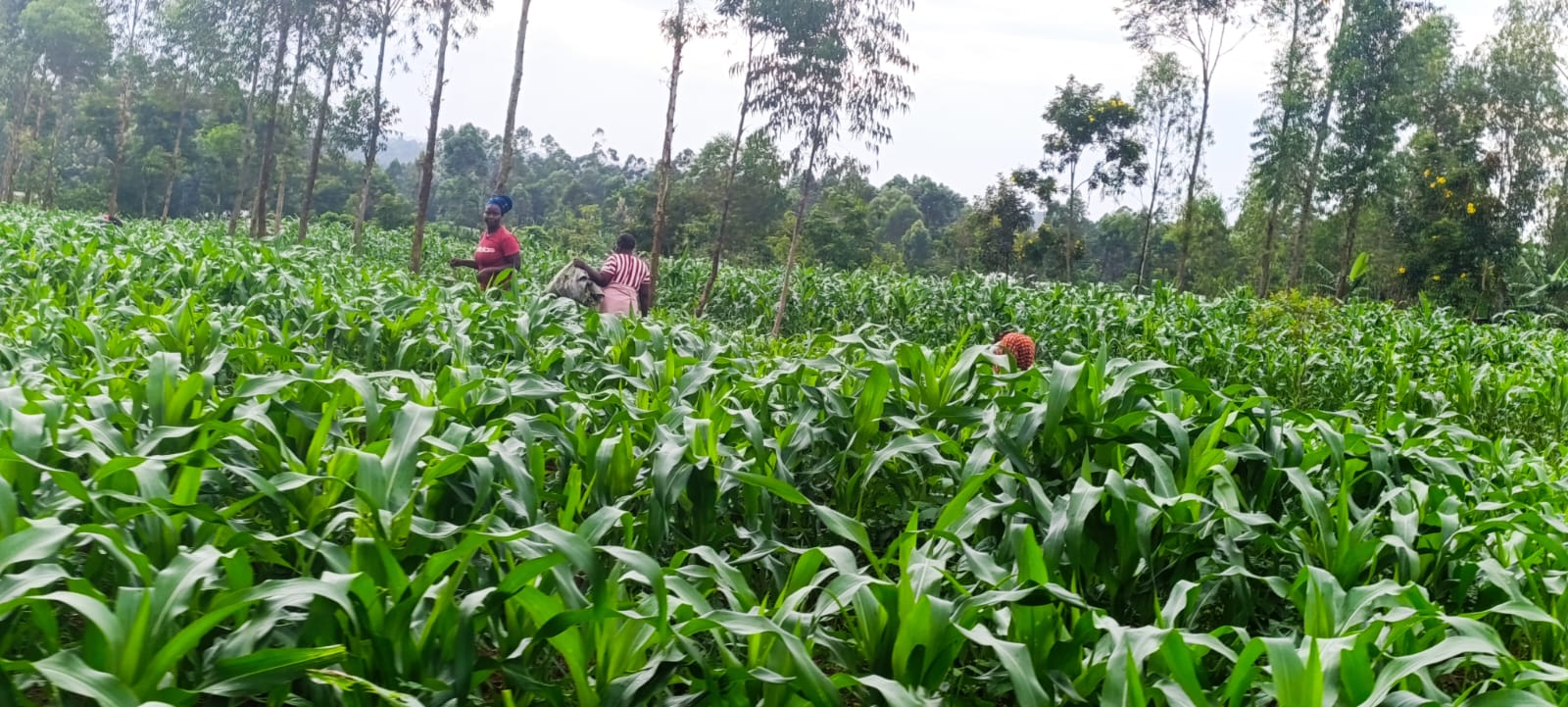
KISUMU, June 2026 -Two biosafety experts mounted a spirited defense of Bt maize in Kisumu High Court Wednesday 3rd, arguing that adoption of the genetically modified crop is critical to tackling food insecurity and pest damage in Kenya.
Mr Josphat Muchiri, Acting Director for Biosafety,Risk,Awareness and Collaborations at the National Biosafety Authority (NBA), and Dr Stephen Mugo told Justice Joel Omido that all safety protocols had been met before the crop’s approval for cultivation.
“Before release to market, Bt maize underwent all required processes and is safe for cultivation across the country,” Muchiri said. “We have the required regulatory framework in place, and that has been affirmed by the High Court in Nairobi that the Authority is up to the task.”
Muchiri added that the National Biosafety Authority has conducted public awareness campaigns nationwide on GM maize.
Dr Mugo urged the court to dismiss a case filed by activists opposing open-field cultivation and sale of Bt maize (MON 89034). He said chemical pesticides currently used by farmers come with high costs, health risks, environmental damage, and growing pest resistance.
The Bt maize variety, approved by NBA in 2025, was developed using modern biotechnology to resist maize stem borers and fall armyworm which are pests devastating crops across the region.
“Fall armyworm poses a significant risk for about 10 million maize-producing smallholder farmers in Africa,” Dr. Mugo testified. “A 2017 report showed a quarter of Kenya’s 2.9 million hectares of maize land was infested, causing loss of over 134,000 metric tonnes worth more than $30 million.”
NBA regulates the transfer, handling and use of GMOs to ensure safety for human and animal health and environmental protection.
Addressing public concerns, Dr. Mugo clarified that Bt maize does not contain bacteria. “Certain GM maize varieties contain one or more genes from soil bacteria that enable the plant to produce specific proteins. These proteins are not active against human and livestock digestive systems.”
He stressed that adoption would be voluntary. “Farmers will retain full freedom to choose between GM, hybrid, improved, or indigenous seed varieties.”
With fewer insecticides needed, farmers can expect less crop damage, higher yields, better grain quality, and lower production costs, experts said.
The Bt maize application was jointly submitted by Kenya Agricultural and Livestock Research Organization (KALRO), and African Agricultural Technology Foundation.(AATF). Hearing continues Thursday 3rd June 2026.