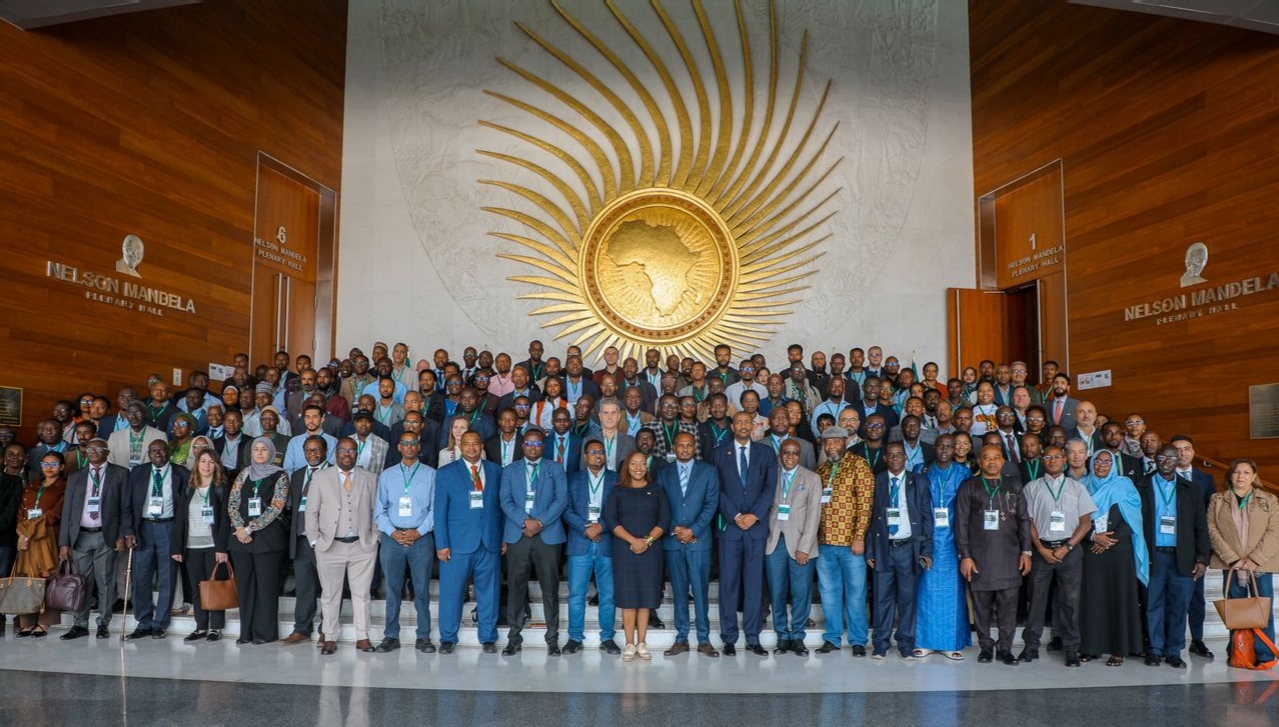
ADDIS ABABA, Ethiopia, 8th December-The much-anticipated inaugural African Energy Efficiency Conference (AfEEC) began today at the iconic African Union Commission (AUC) headquarters in Addis Ababa, Ethiopia, aimed at enhancing energy efficiency in the sector across the region.
This comes against the backdrop of ever-increasing energy demands due to a growing population, rapid urbanisation, and industrialisation.
Statistics provided by the African Union’s special agency, African Energy Commission (AFREC), Africa contributes less than 4% of global emissions but still encounters acute climate change impacts.
It further indicates that about 600 million people (50% of the population) lack access to electricity, and a billion people lack access to clean cooking facilities and food.
Rashid Abdallah, the Executive Director of the AFREC, said that the agency is dedicated to improving energy by working with African member states.
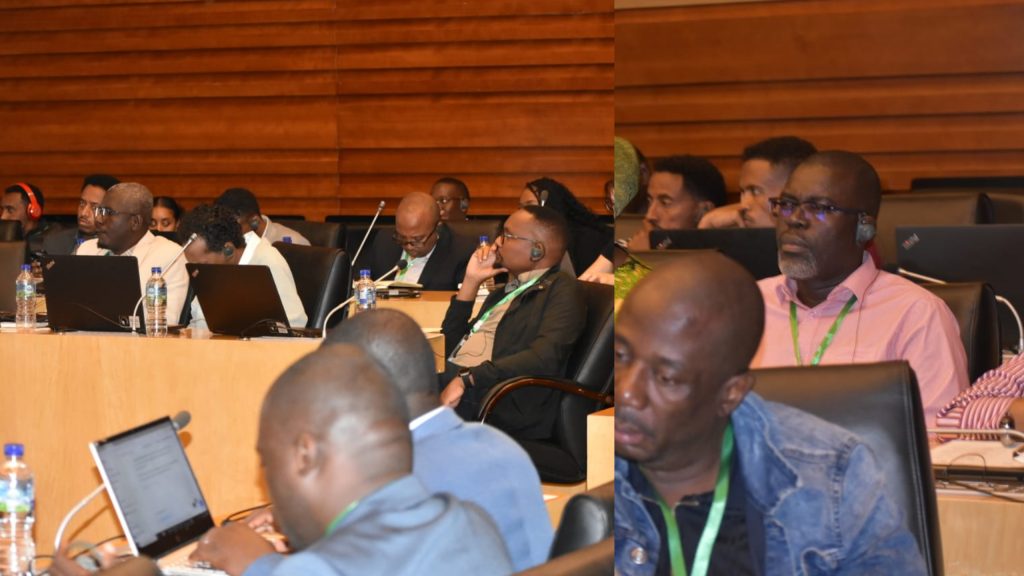
“Our areas of focus include tangible issues on development policies, strategy, and action plan, based on the continental or regional or even national priority,” Abdallah remarked during a media briefing alongside the opening technical pre-training sessions for private sector innovators, ESG investors, project developers, and technical experts delegates scheduled for 8-9th December.
In this way, he noted they’re closely working with energy statistics, building the capacity of member states, and also trying to mobilise technical and financial support to improve the African energy sectors.
To hasten the execution of the African Energy Efficiency Strategy and Action Plan (AfEES), Mr Abdallah stressed that the story starts with a mandate given by the Minister of Energy to develop a program on energy efficiency which recognises the importance of energy efficiency by the commission’s principles.
“We developed a program, which is concentrated on all six productive sectors: agriculture, transport, industry, household and service. We believe that this energy efficiency is very strong for Africa because instead of just building a new energy production capacity, we also need to use what we have efficiently,” he stated.
To actualise this whole idea, Abdallah says that they developed a continental action plan by identifying 137 major ambitions that need to be implemented with the member states.
Abdallah has emphasised that: “This conference is one of our advocacy activities. We need to bring this energy efficiency agenda to the top of the discussion on the continent. I believe that this is the way the African continent needs to go.”
Ms Elizabeth Wangeci Chege, the Energy Efficiency and Cooling Officer at Sustainable Energy for All (SEforAll), which is hosted by UNOPS, said that they mainly focus on the transition to sustainable energy for all, an initiative that was adopted by the AU.
“More importantly, today we are at the AfEEC, where we will be focusing on Sustainable Development Goals (SDG 7.3). We know that energy efficiency cuts across all the industries and sectors, not forgetting cooling, especially in the region of Africa,” Wangeci said while addressing the media next to the symbolic Nelson Mandela Hall.
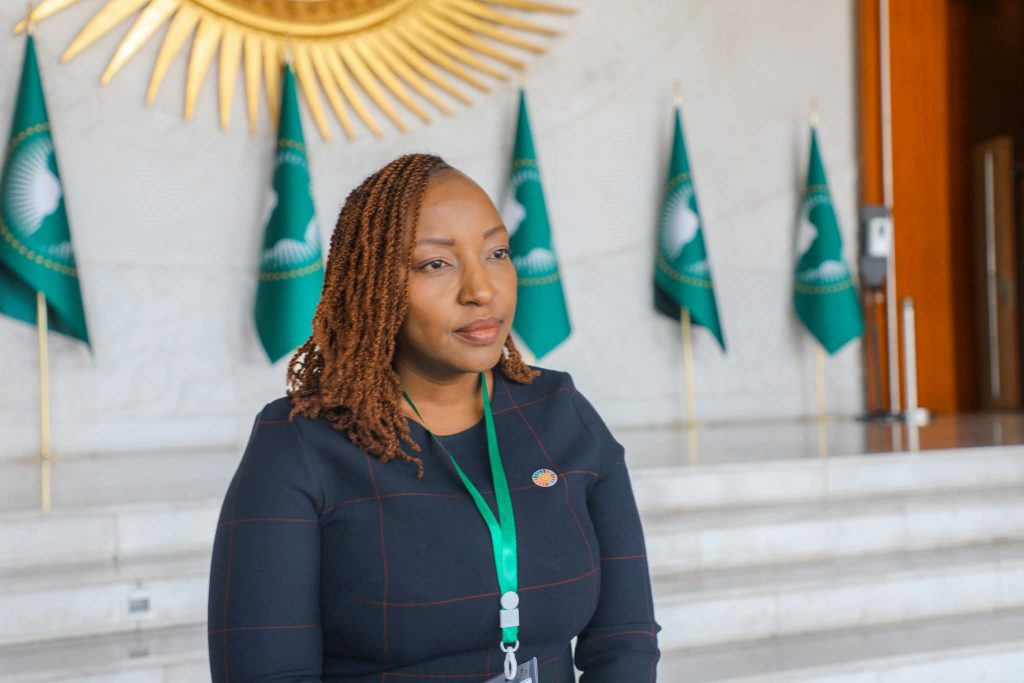
“In those buildings, we use equipment, and we need minimum energy performance standards across Africa, and also consideration of harmonisation of standards.”
The main conference will be held for two days, starting from 10 to 11th December, and has drawn participants from over 40 African Member States. However, seven Energy Ministers, and related portfolios have confirmed attendance, regional and global development finance institutions, and NGOs.
The hallmark of AfEEC will witness the launch of the African Energy Efficiency Alliance on Wednesday 10th, created to “transition from strategy to implementation by fortifying partnerships, facilitating technology transfer, and scaling proven EE solutions across sectors.”
During the sessional panel discussions, some of the featured key topics will include Energy Efficiency as the ‘First Fuel’ for African Development: Perspectives from Member States, Ministerial Roundtable for Positioning EE as a Strategic Priority for Economic Growth, and Accelerating Finance by Mobilising Capital through the African Energy Efficiency Facility.
Building Decarbonization by Making High-Performance, Resilient Structures the African Norm, and Enabling Frameworks through Crafting Robust EE Policy and Regulatory Instruments, among others.
Mr Abdallah expressed his optimism that through these sessions their main objective is to build the capacity for the energy executives to implement the developed policies.
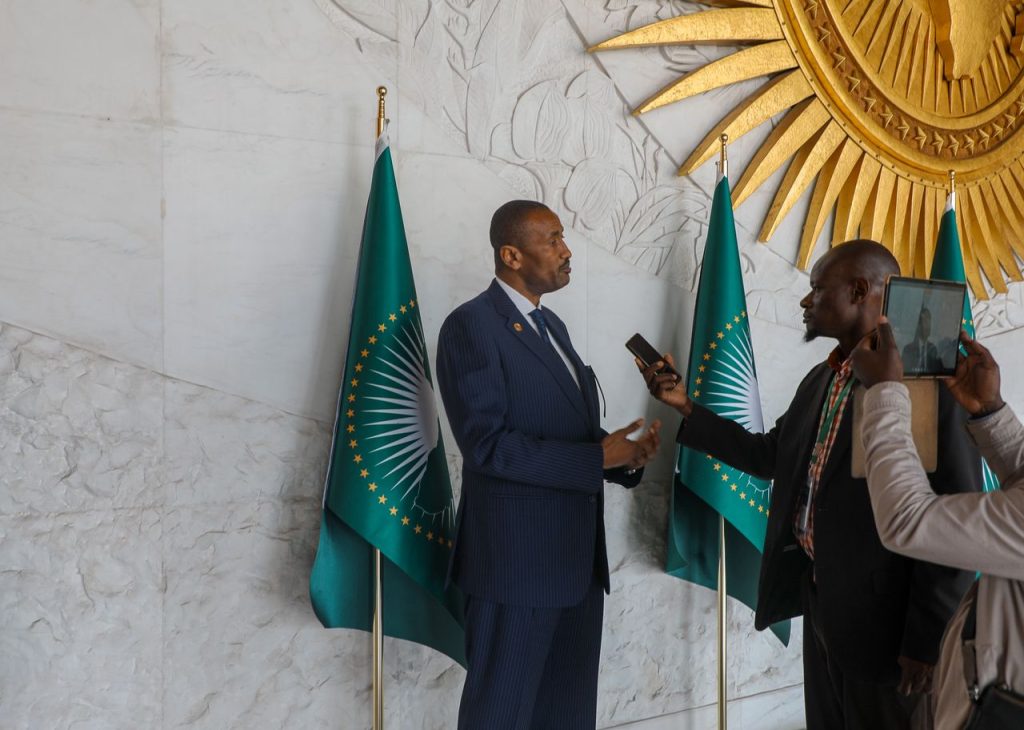
He, however, pointed out other challenges in terms of financing and infrastructure facing the energy sector.
“We have a challenge with the capacity of our energy experts, efficiency in all our utilities that report losses between 20 to 40% of the power generation that they are producing on the continent.”
By reducing these losses, he advises that it will enable more energy for the safest. “We have an issue with the financial health of our utilities.”
Amidst many barriers and constraints, Abdallah assures that the AU is working tirelessly with member states on all fronts to address them through capacity building to overcome this challenge.
“We hope that everyone comes here to enjoy this training session and the discussion in the main conference. In this way, they will go back with tangible knowledge and information that helps them to chart and shape the energy efficiency in the continent,” Abdallah concluded.