KISUMU, May 2026 -As Artificial intelligence (AI) and social media algorithms continue to evolve, mental health experts and technology innovators continue to raise concerns over their increasing influence on human behaviour.
They, however, warn that the overeliance on digital platforms could lead to addiction, emotional distress and social interaction.
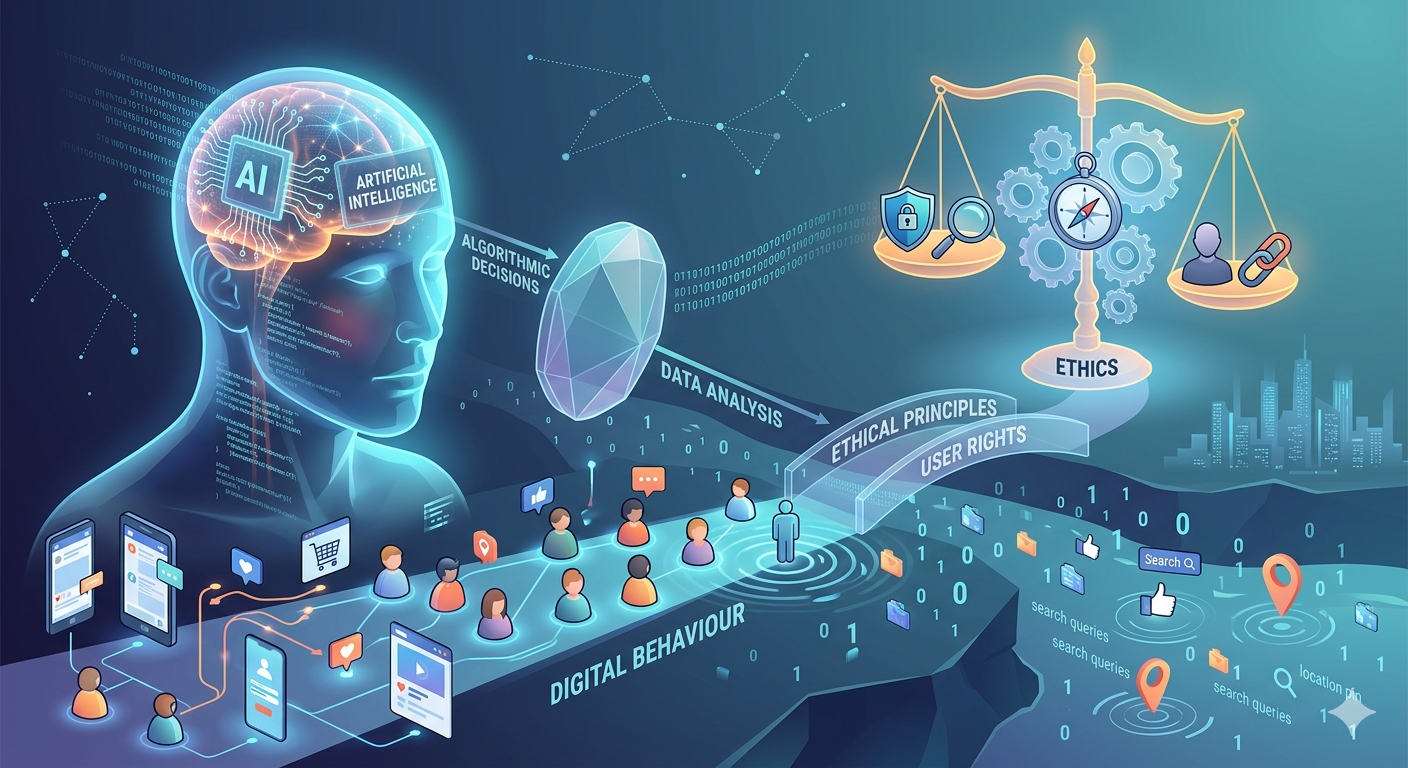
Speaking during a virtual panel discussion organised by the Kenya Psychiatric Association (KPA), under the topic “AI, Digital Behaviour and Ethics: Navigating the Mind in a Smart World,” they explained how AI systems collect and analyse massive amounts of user data to predict behaviour, personalise content and target advertisements.
Led by Dr Boniface Chitayi (Chairman Department of Psychiatry and Mental Health-Kenyatta University), Dr Linda Nyamute (Consultant Psychiatrist and KPA National Secretary), and Teddy Ogalo (Founder Waya Waya and AI Evangelist), acknowledged AI in research, education, advocacy and healthcare, however, they cautioned that excessive use could negatively affect mental well-being.
According to Mr Ogalo, to process billions of data points from user activity, including the type of content individuals are likely to consume next.
He also emphasised that AI-powered platforms rely heavily on advertising revenue meaning companies actively collect data to improve engagement and attract advertisers. It is noted that algorithms often prioritise content that keeps users engaged wether positive or negative.
“This is because higher engagement generates more advertising for companies. The personalised nature of AI-driven content can create dependency among users. When people are exposed to content they enjoy, their brains begin craving for more of it potentially leading to overuse of social media and internet platforms,” he explained.
Despite AI being harmful, it has enhanced mental health by allowing for early detection of depression symptoms and information on how to deal with it is readily available online. Inclusion of people who are far away and in different regions has virtually allowed for mental health improvement and awareness.
They also observed that many people who are struggling with mood disorders may be vulnerable to unhealthy online dependence. One of the sources of human happiness is interaction which happens between humans and brings about the human connection.
“Premature diagnoses of mental health issues have emerged as a result of overreliance on the use of AI. It has been trained to adapt to what people want to see or hear and this has made some individuals unable to cope with reality,” they noted.
The self-esteem of several people,the experts noted, has been brought down due to a lack of clear distinction between what is real and what is AI- generated, for example, when people use AI to adjust their body features, such as a snatched waist, clear skin and full lips make others feel like they have not reached the expected beauty standards.
Pointedly, the overuse of AI is outsourcing the human capability which brings about brain shrinkage. Various students use different AI digital tools for their research and education “which gives limited information as compared to human research.”
As the world goes, they advised that technology advances and therefore it is left that: “we either embrace or we perish” The only solution left is that people should be self-aware of what they consume on the internet.