
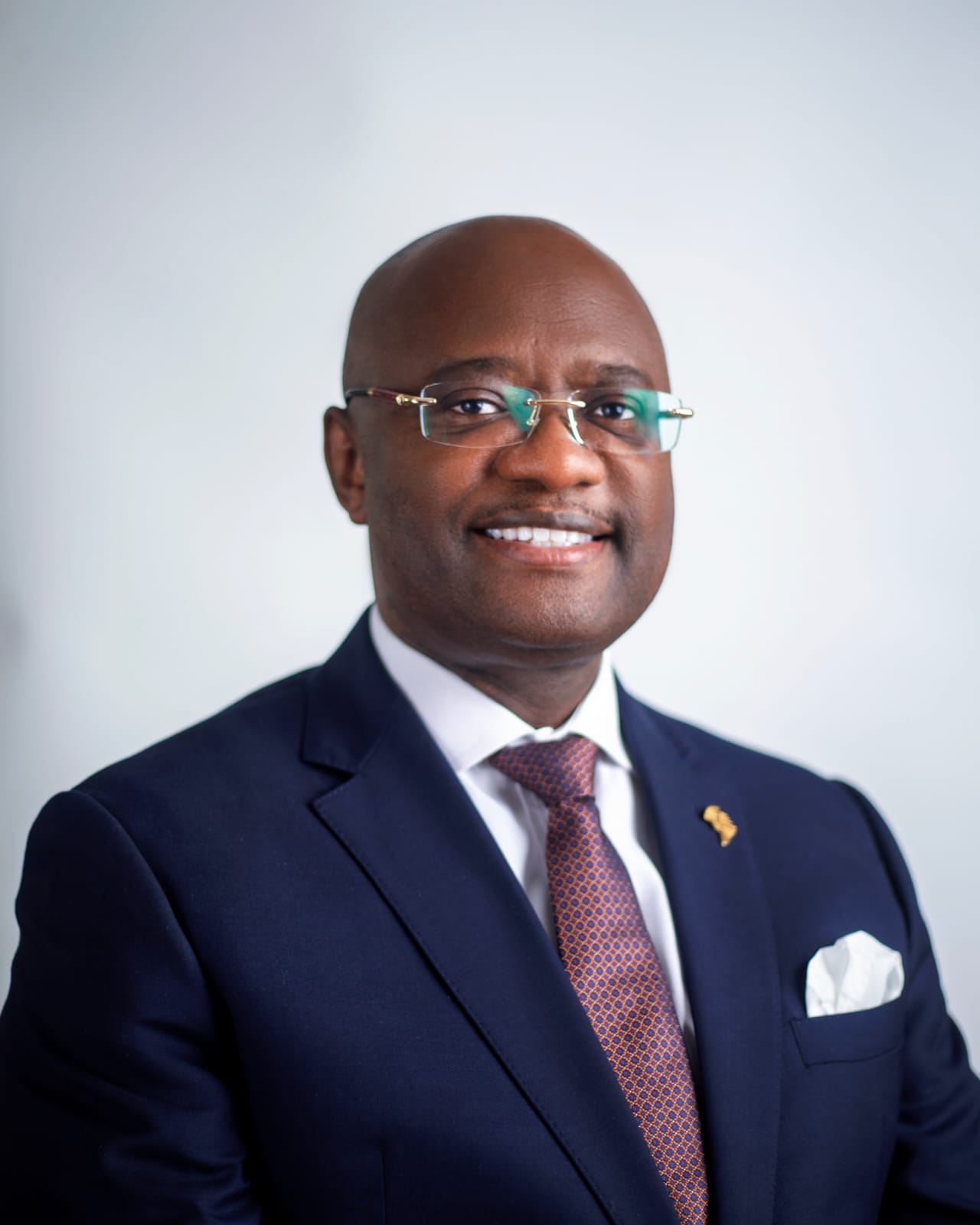
KISUMU, Kenya, September 20th –The African Export-Import Bank (Afreximbank), in partnership with the National Bank of Rwanda (BNR), will convene the 2025 Afreximbank Compliance Forum (ACF2025) in Kigali from 12–14 November 2025.
Themed “Better Compliance – Better Trade: Embracing AI to Promote and Secure Trade Through a Modern Compliance Framework, the forum seeks to leverage the technology boon to conduct its smooth business in Africa.
”This year’s forum marks a strategic pivot toward Artificial Intelligence (AI) as a transformative enabler of compliance and trade integrity across Africa.”
AI rapidly redefines compliance frameworks, particularly in Anti-Money Laundering (AML) and Combating the Financing of Terrorism (CFT).
Afreximbank is positioning AI not merely as a technological tool, but as a core driver of financial integrity, operational efficiency, and trade competitiveness.
By enabling faster risk assessments, fraud detection, and real-time cross-border transaction monitoring, AI is enhancing transparency and helping African financial institutions curb illicit financial flows.
These capabilities are particularly critical for boosting investor confidence, increasing access to finance, and supporting trade facilitation—core objectives of Afreximbank’s mandate.
In the latest press release to newsrooms, Dr George Elombi, the incoming President of Afreximbank, emphasised that compliance—once viewed as a cost centre—is now seen as a strategic asset.
Elombi said that in embedding AI into compliance processes, institutions can reduce regulatory risk, streamline due diligence, and reassure global trade partners.
” This paradigm shift supports Africa’s broader goal of integrating more deeply into the global economy, while levelling the playing field for local businesses,” he asserted.

Rwanda’s central bank shares this vision. Governor Soraya M. Hakuziyaremye underscored Rwanda’s commitment to aligning with international standards and using AI to reinforce market integrity.
Hosting ACF2025 signals Rwanda’s ambition to lead in regulatory innovation and digital financial governance.
ACF2025 is expected to draw a wide range of participants, including central banks, regulators, financial institutions, FinTechs, legal experts, and compliance professionals from across Africa and beyond.
This diverse representation reflects the increasing prioritisation of compliance as a critical pillar of Africa’s trade expansion strategy.
Key topics to be addressed at the forum include:The integration of AI in AML/CFT frameworks, Insights from the Financial Action Task Force (FATF) on digital transformation
Case studies of African nations exiting the FATF grey list are Strategies to combat Trade-Based Money Laundering (TBML); Best practices in correspondent banking; Real-world applications of AI in customer onboarding and real-time risk monitoring among others.
These sessions aim to bridge the gap between innovation and governance, equipping stakeholders with actionable strategies to implement AI within compliance structures without compromising regulatory integrity.
ACF2025 builds on the growing success of previous forums. Attendance at the 2024 edition in Dakar more than doubled, with delegates from 36 countries and 25 expert speakers.
“This upward trend reflects a heightened awareness of the strategic importance of compliance in unlocking intra-African and global trade opportunities, “Elombi. Said.
The forum is a platform for Afreximbank to showcase its investments in AI-powered compliance platforms, which are already streamlining onboarding and enabling secure transaction processing.
As AI becomes integral to compliance and trade operations, ACF2025 presents a timely opportunity for African institutions to align with global best practices while addressing the continent’s unique challenges.
The forum, Elombi said, will not only highlight AI’s potential to secure trade and fight financial crime but also reinforce Africa’s commitment to building a transparent, resilient, and technology-driven trade ecosystem.
Sus rutas revelan detalles de logística — ¡qué útil!! castillo Melissani ¡Qué genial guía de viajes! ¡No se detengan!!