LAVINGTON, Nairobi, August 25- A dramatic surge in school enrolment, driven by the Nairobi County school feeding initiative, has prompted the county government to embark on a massive construction program for new classrooms.
Consequently, Governor Johnson Sakaja announced that his administration has already built 60 new Early Childhood Development Education (ECDE) classrooms, with a further 21 currently under construction, to accommodate the influx of young learners.
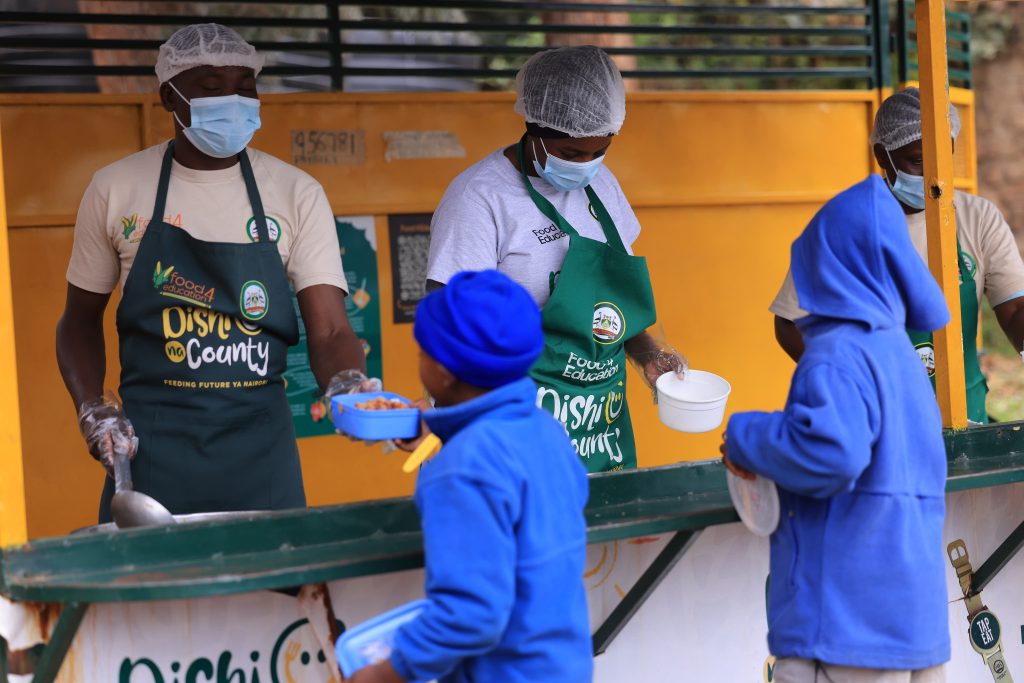
The Governor, speaking at Lavington Primary School, directly linked the construction boom to the ‘Dishi na County’ programme, which now provides a daily hot meal to 316,000 learners across the city.
“We have constructed 60 ECDE classrooms and an additional 21 are currently under construction,” Sakaja stated.
To further address the city’s growing learner population, the County is partnering with the national government on an even larger project.
“Plans are also in motion… to build 5,000 new primary school classrooms,” the Governor added.
The county has complemented the new structures by distributing school furniture to ECDE centres to create a more conducive learning environment.
Sakaja framed these investments as a fulfilment of his core 2022 campaign promises.
“I am committed to the promises I made and have remained true to the commitments of 2022, particularly on education and nutrition,” he said.
“One of the biggest pledges we gave Nairobians was to ensure no child goes hungry in school. Today, 316,000 students get a hot, nutritious meal every day… More than 50 million meals have been served so far.”
The programme’s impact is evident on the ground. At Kayole One Primary School, which hosts one of the county’s 17 central kitchens, a rapid increase in ECDE enrolment necessitated the immediate construction of additional classrooms.
Marking three years in office, Sakaja reaffirmed his vision to transform Nairobi into “A City of Order, Dignity, Hope, and Opportunity for all.”
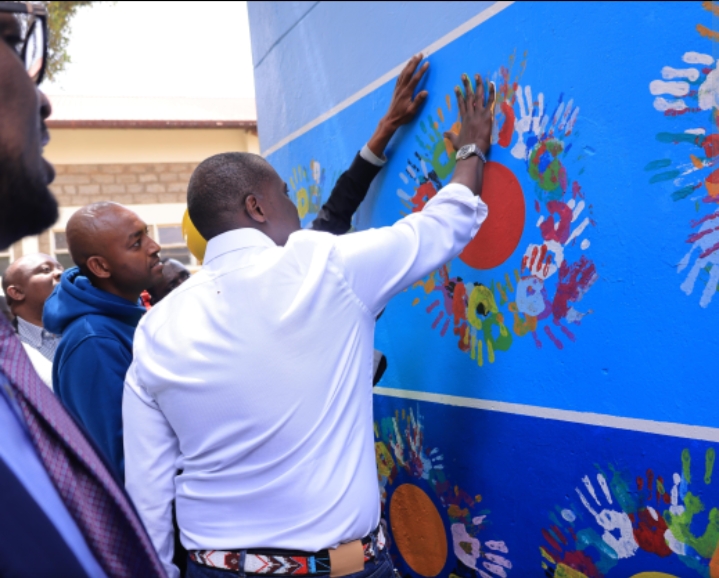
He pointed to education as a critical pillar of this vision, stating, “Investing in quality, inclusive public education is a critical engine to improve prospects for the next generation.”
He also credited public-private partnerships with organisations like Food 4 Education and Mavuno Church for accelerating the programme’s reach and success.
The ‘Dishi na County’ programme now operates in over 230 public schools across all 17 of Nairobi’s sub-counties.