CAIRO, Oct 2026 – For a business in one of Africa’s landlocked countries, reaching an international market begins long before its goods arrive at a seaport. Long journeys, costly transport and fragmented connections can narrow profit margins and limit opportunities to grow. What could change if the continent’s inland waterways offered a more efficient route to those markets?
That question lies at the heart of the Establishment of a Navigational Line between Lake Victoria and the Mediterranean Sea, known as VICMED. Envisaged as an approximately 5,500-kilometre corridor integrating waterways with road and rail networks, the project carries an ambition shared across borders: to bring economies closer together and make trade more accessible to the communities and businesses along its connections.
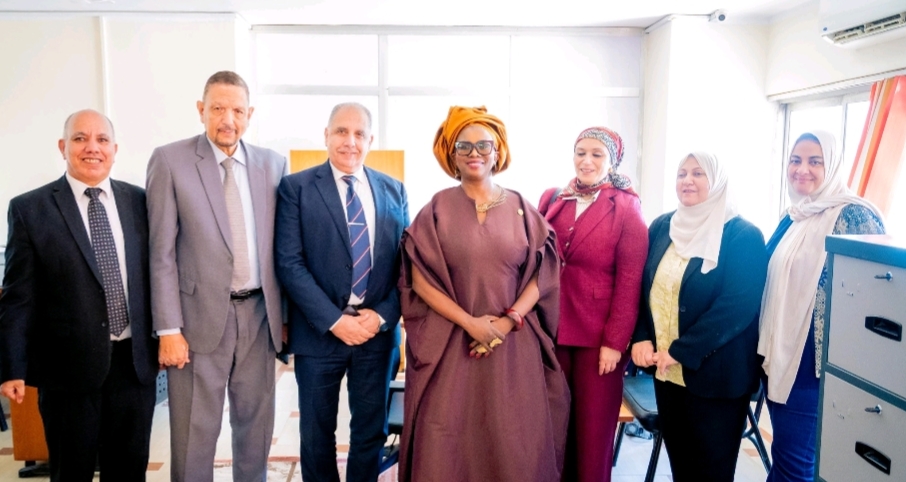
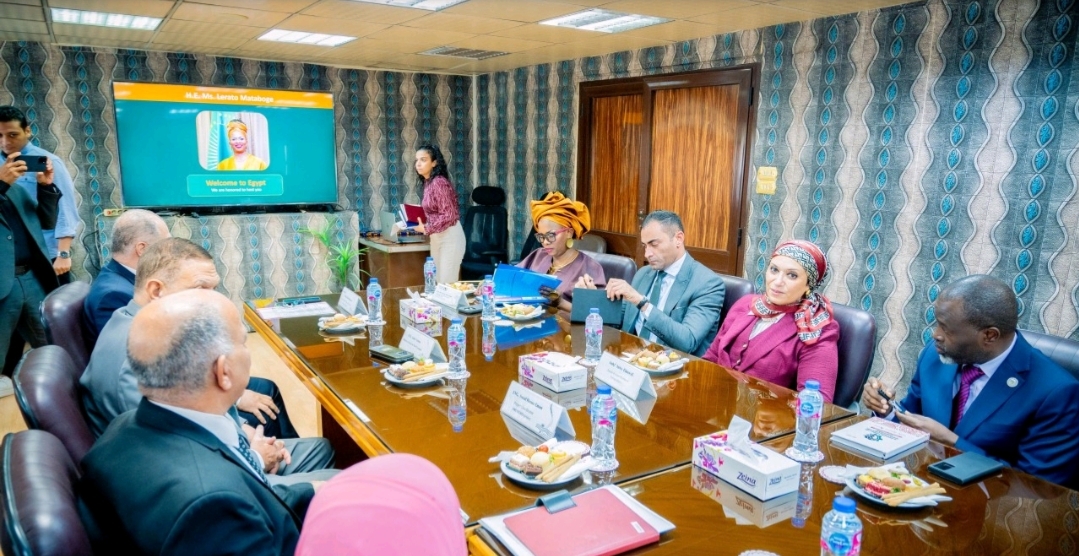
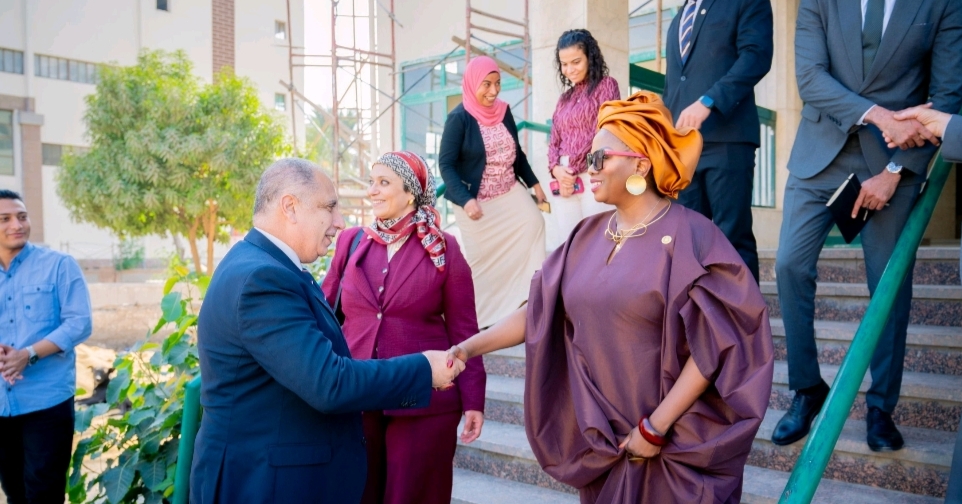
On 19 October 2026, Lerato Mataboge African Union Commissioner for Infrastructure and Energy, and her delegation visited the VICMED project unit in Cairo for discussions. The engagement highlighted the project’s regional significance and the political support and resources needed to advance its preparation.
Regional connectivity with benefits across 11 Nile Basin countries
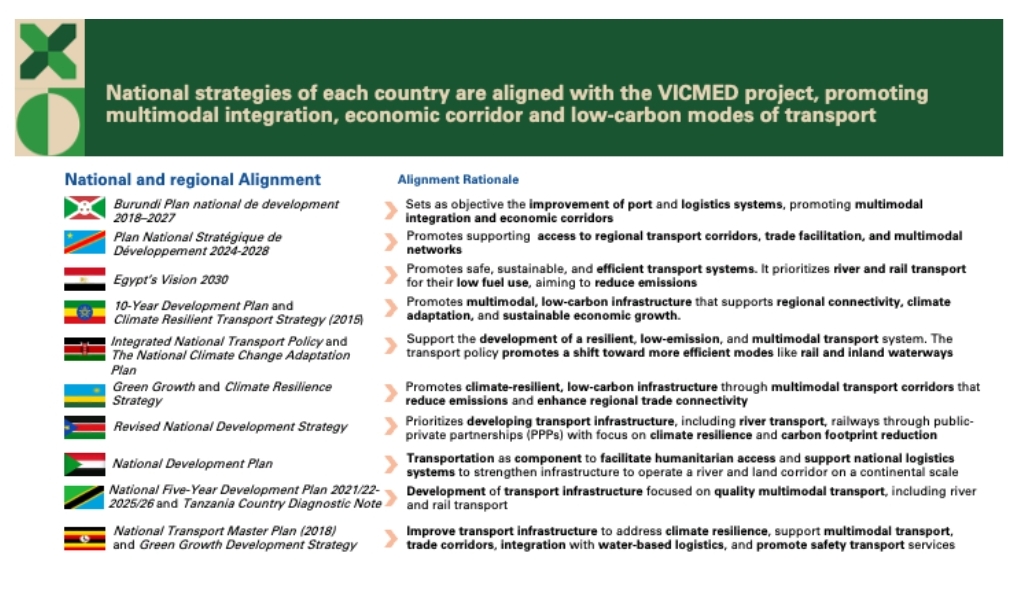
VICMED forms part of the Programme for Infrastructure Development in Africa’s Second Priority Action Plan (PIDA PAP 2). Its potential benefits extend across the 11 Nile Basin countries: Burundi, the Democratic Republic of the Congo, Egypt, Eritrea, Ethiopia, Kenya, Rwanda, South Sudan, Sudan, Tanzania and Uganda.
These benefits would arise through the proposed navigational corridor and its connections with wider transport networks. For landlocked economies in particular, more efficient links to seaports could reduce the cost of trading and improve access to regional and international markets.
By integrating waterways with other modes of transport, VICMED aims to provide a safer, relatively low-cost and energy-efficient route for moving goods along the Nile corridor.
Egypt champions the project under the Presidential Infrastructure Champions Initiative (PICI), while the Common Market for Eastern and Southern Africa (COMESA) serves as its regional sponsor. Advancing this shared ambition requires sustained cooperation among the countries concerned, supported by technical preparation and investment.
The immediate resource mobilisation priority is a USD 9.6 million funding gap for Phase II, Part 1 of the feasibility studies. The delegation learnt that project has secured an African Development Bank commitment of USD 2 million towards this phase in 2024.
Completing the studies that will guide investment
VICMED’s indicative total capital investment requirement is estimated at USD 8–12 billion. Further feasibility work is essential to assess development options and establish the technical, economic, environmental and social foundations for investment decisions.
The studies cover a Strategic Environmental and Social Assessment, a transport economics study and a technical feasibility study. Together, they will help evaluate alternatives, identify the preferred development approach and inform subsequent detailed preparation.
Earlier work has established a foundation. The pre-feasibility study was completed in 2015, followed in 2019 by the first phase of feasibility work addressing the institutional and legal framework and training needs.
Mobilising resources for the next phase is therefore a concrete step towards determining how the corridor can be developed responsibly and effectively.
Political leadership to sustain progress
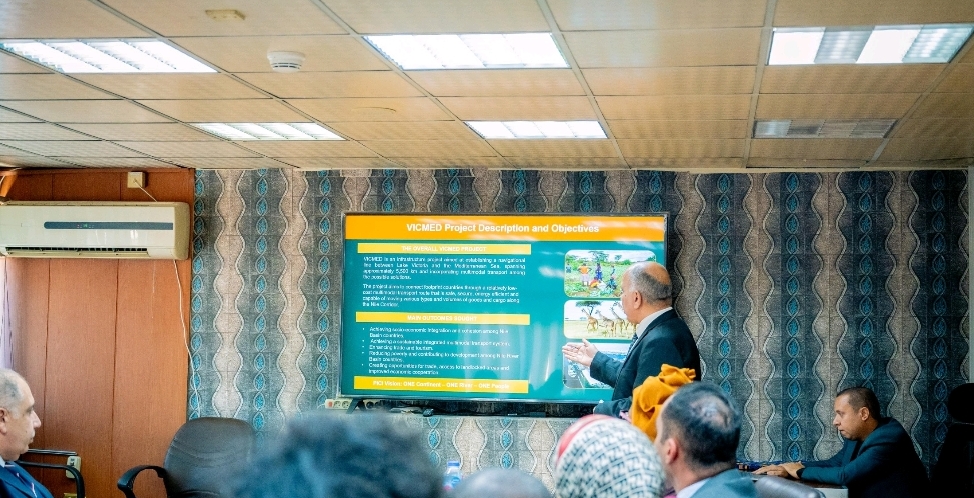
During the Cairo engagement, the Egyptian team presented VICMED’s status, implementation priorities and regional significance. It requested the African Union’s political support and assistance in mobilising resources to complete the feasibility studies.
Commissioner Mataboge expressed her commitment to supporting efforts to advance the project, including through political engagement and resource mobilisation. The discussions highlighted the importance of cooperation between the African Union, Egypt as project champion, regional institutions and development partners.
The engagement also reflected the role of PICI in sustaining high-level attention to strategic infrastructure projects whose progress depends on coordination across borders.
Connecting infrastructure to continental opportunity
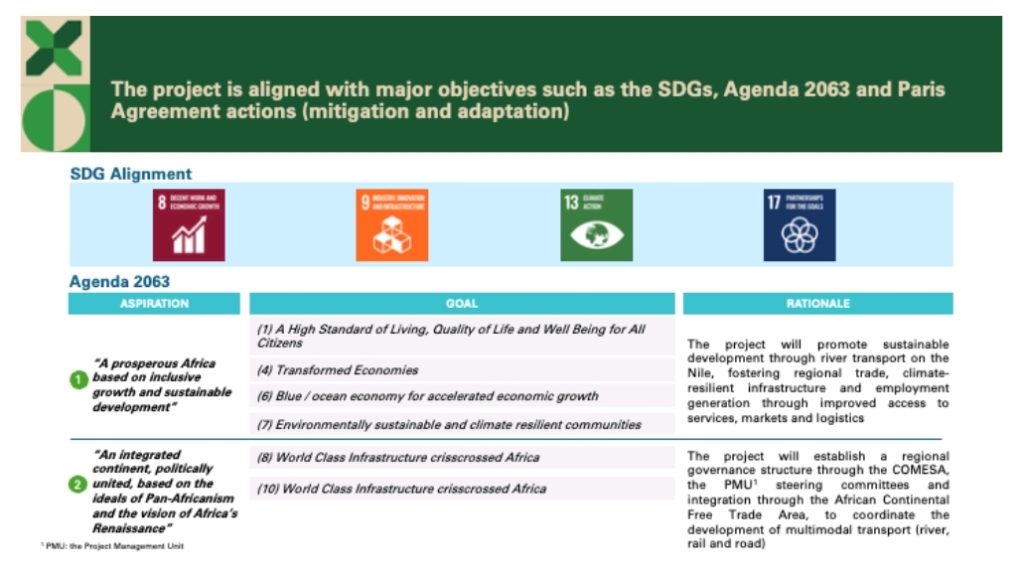
VICMED’s wider significance lies in the relationship between transport and economic integration. The African Continental Free Trade Area creates a framework for expanding trade, while effective transport connections help businesses access the opportunities it offers.
For producers and traders, more efficient regional routes could improve access to customers and international gateways. For participating countries, the corridor offers a platform for closer economic cooperation and coordinated infrastructure development.
Realising that potential will require continued preparation, investment and regional partnership, advancing Agenda 2063’s vision of an integrated and prosperous Africa.
Partnering to advance VICMED
Closing the USD 9.6 million funding gap for Phase II, Part 1 of the feasibility studies is the immediate opportunity for partners to help move VICMED forward.
The African Union Commission invites development partners, project preparation facilities and financing institutions to engage with Egypt as project champion, COMESA Secretariat and AUDA NEPAD to explore funding and technical assistance for this critical phase.
Supporting these studies would provide a stronger foundation for future investment in a corridor with the potential to improve market access and strengthen trade across Nile Basin countries. The Commission stands ready to help convene interested partners and support resource mobilisation efforts to advance VICMED towards implementation.