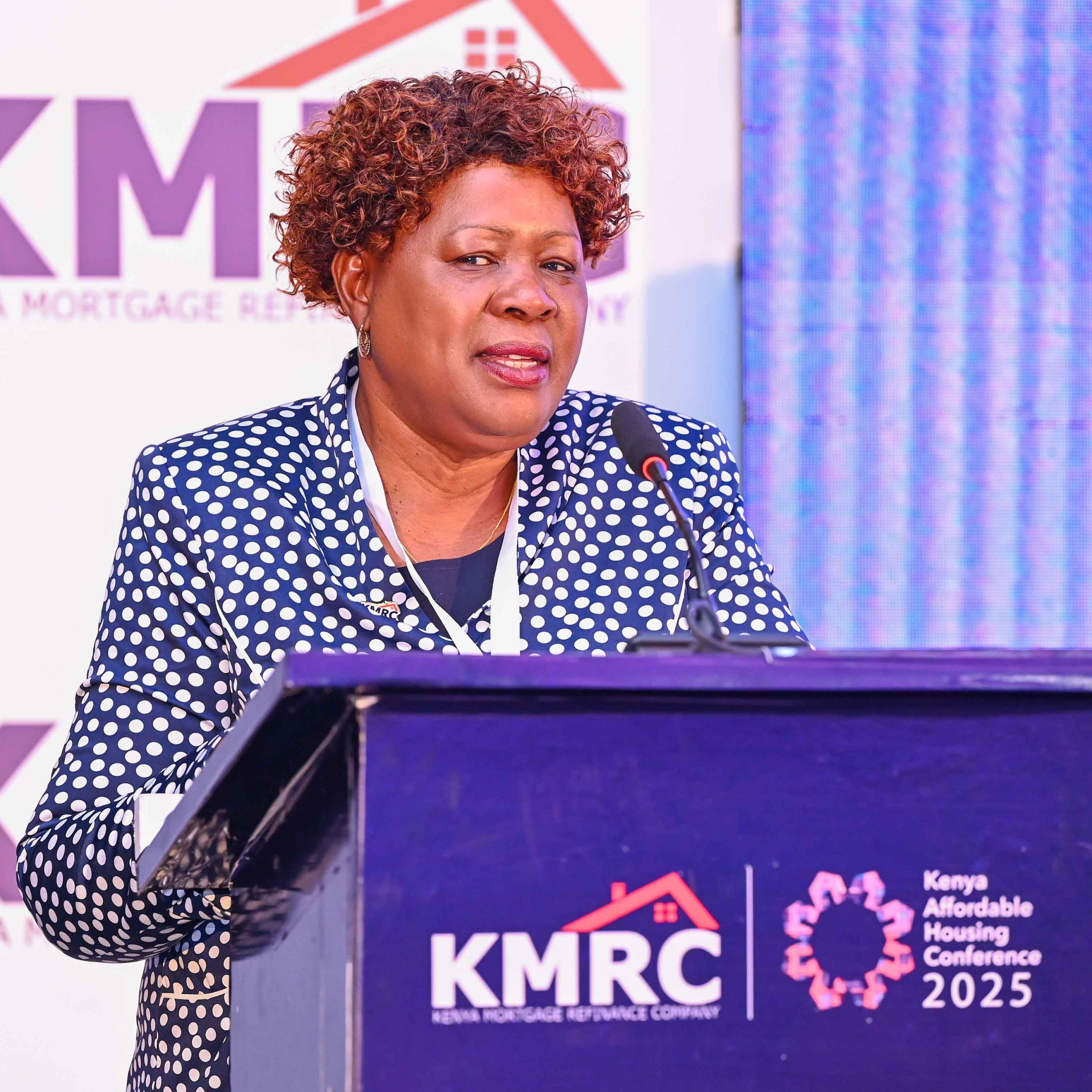
KISUMU, Kenya, August 7 – Lands, Public Works, Housing and Urban Development Cabinet Secretary Alice Wahome announced that the government is focused on delivering 1 million affordable housing units by 2027.
This initiative aims to address a national deficit of over 2 million homes, providing more inclusive and dignified living conditions for Kenyans.
To achieve this target, CS Wahome stated that the government aims to deliver over 200,000 housing units annually.
To augment these efforts, she said that the Kenya Mortgage Refinance Company (KMRC) is playing a crucial role in enhancing the country’s affordable housing agenda by significantly impacting housing finance and aligning with national development goals.
Affordability Gap
Making her remarks during the 4th Kenya Affordable Housing Conference (KAHC) 2025 in Kisumu, CS Wahome praised KMRC for its essential role in providing dignified, accessible housing under the Bottom-Up Economic Transformation Agenda (BETA).
She noted,: “KMRC is instrumental in closing the affordability gap, having disbursed over Sh21.4 billion in single-digit, fixed-rate funding with long repayment periods to primary lenders, unlocking more than 4,500 affordable home loans across 39 counties.”
Themed “Revolutionising Housing Finance: Innovation Meets Sustainability,” the conference gathered policymakers, investors, developers, and housing leaders from East Africa, including delegations from Tanzania, Uganda, India, Pakistan, and Malaysia.
CS Wahome identified key issues plaguing the housing sector, such as title deed verification and land searches.
Ardhi Sasa Platform
To address these challenges, the ministry has developed the Ardhi Sasa Platform, a nationwide digitisation of land registries designed to provide a secure and transparent land information system.
“It is more than a digital upgrade; it is the backbone of tenure security and efficient land markets. By digitising land records, we enhance transparency, reduce fraud, and streamline approvals that often delay affordable housing development,” she explained.
The Ardhi Sasa Platform is currently operational in Nairobi and Murang’a, with plans for rollout in Mombasa, Isiolo, and Marsabit, aiming to integrate all 47 counties.
Additionally, CS Wahome highlighted the operationalisation of the Sectional Properties Act, which allows apartment owners to obtain individual titles.
She emphasised that this legislation is critical for unlocking high-density housing finance.
“With urban land becoming scarce, vertical development is our future. This legislation ensures such housing is bankable and legally sound,” she stated.

“Affordable housing in Kisumu is not just about shelter; it is a tool for equity, dignity, and economic revitalisation. We have embedded housing in our urban development strategy and partnered with LAPFUND, LAPTRUST, and the National Housing Corporation on large-scale projects,” he mentioned.
Some ongoing key projects cited by the Governor include: Makasembo Estate (1,870 units), Anderson Ofafa Estate (1,200+ units), Lumumba Estate (2,384 units), Kanyakwar Project (2,600 units), and Kirembe Estate.
Prof Nyong’o stressed that counties must serve as co-investors and enablers of the affordable housing vision by providing land, enabling infrastructure, and aligning legislative frameworks.
He called for seamless coordination between national and county governments to eliminate friction and accelerate delivery.
“The delivery of affordable housing requires a whole-of-government mindset anchored on institutionalised collaboration. When we align plans, budgets, and regulations, we unlock scale, efficiency, and investor confidence,” he added.
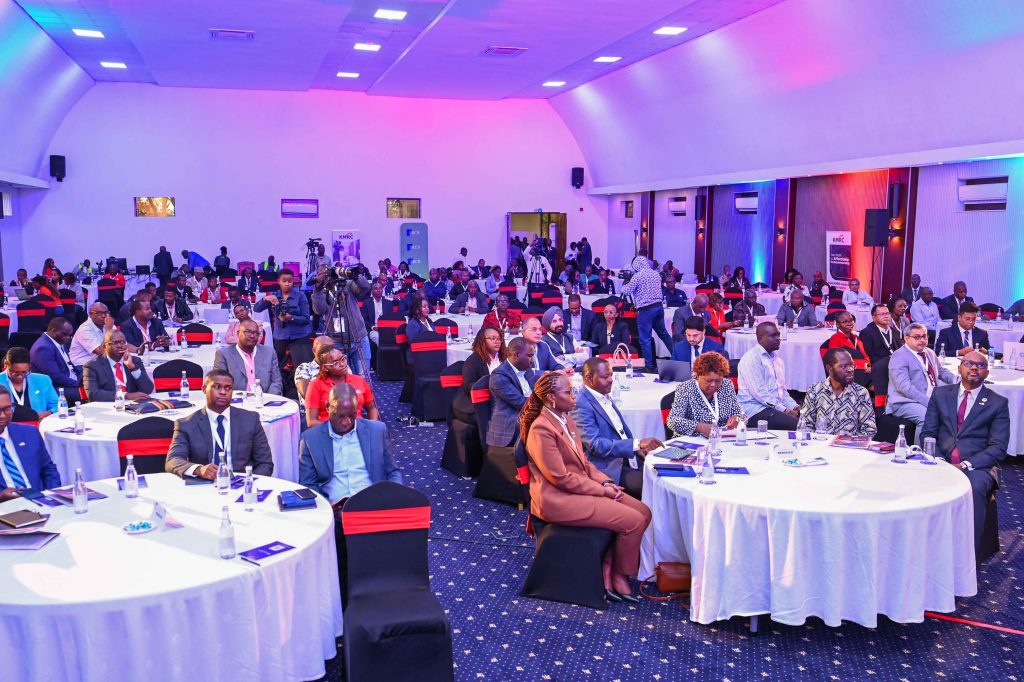
KMRC CEO Johnstone Oltetia affirmed the company’s commitment to delivering market-based affordability and driving scalable models through innovation.
“At KMRC, we are steadfast in our mission to sustainably promote affordable housing and support the Government of Kenya’s vision for dignified living,” Olteita said.
Empowering Communities
Mr Olteita added that the conference must serve as a springboard for real transformation, where innovation and sustainability walk hand in hand to build homes, uplift families, and empower communities.
He further urged stakeholders to collaboratively address financing, legal, and demographic challenges and called for institutionalised public-private partnerships to unlock scalable solutions.
Delegates from Uganda, Tanzania, Malaysia, Pakistan, India, and the World Bank echoed the importance of regional cooperation and knowledge transfer.
The participation of global housing finance institutions, including Cagamas, NHB, PMRC, and others, underscored the collective nature of the affordable housing challenge.
Keynote speakers advocated for fostering lasting partnerships and innovations that will not only shape housing for future generations but also facilitate supportive legislation.