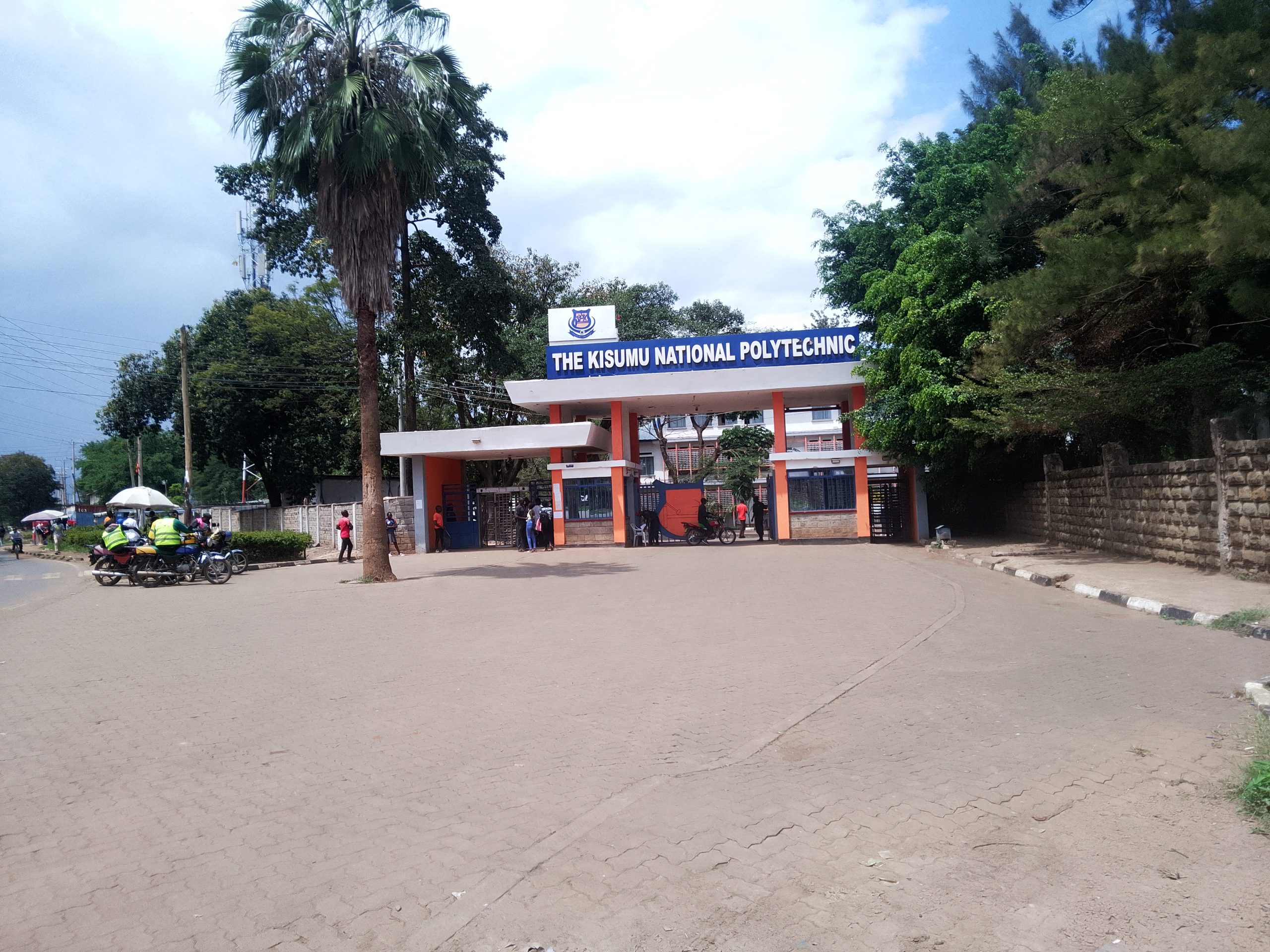
KISUMU, Kenya, October 23rd –The Kisumu National Polytechnic is now set to reopen its doors in phases from October 27 after almost a month of its indefinite closure following student riots.
The decision to reopen the institution was communicated by a ministry official who included Maryan Hassan, Elcana Mosiori and Priscilla Wanyiri during a consultative meeting with stakeholders and the student union leadership, which was chaired by the Kisumu county commissioner, Mr Benson Leparmorijo, at the facility.
The decision was communicated by a director at the TVET directorate, Maryan Hassan; however, she stressed that only students who will be sitting for their examinations will be readmitted. She said the rest of the students will know their fate at a time to be communicated through the chief principal, Mrs Catherine Kelonye.

Hassan told the student leadership that Mrs Kelonye still remains the college principal. She said grievances raised by the students are being investigated by the relevant authorities and will be tackled as time goes by.
The official said they have so far found out that there were no fee hikes as claimed by the students based on the fee structure. Hassan said some issues raised by the students cannot be tackled by the stroke of a pen but gradually.
On the levies imposed on the students, she said the ministry was to take responsibility for allowing councils to impose them. The official said issues such as student union welfare funds affect all colleges across the country and not the Kisumu National Polytechnic alone.
Leparmorijo urged the students to pursue dialogue in demanding certain things. He cautioned them against damaging property since it amounted to a criminal act.
Mr Leparmorijo noted that destruction of property can land one in jail. He said school unrest has been witnessed in some parts of the county of late.
Among the stakeholders in the meeting were the real chairman of Bunge La Wanainchi Obungu Owich, the chairman of Kisumu town residents association, Audi Ogada, a community representative, Camlus Okuom and the student body chairman, Silas Adem and senior staff members.
Ogada and Owich unanimously agreed that the institution must be reopened to save the learners from further agony. The institution was closed indefinitely after a whole week of unrest with students demanding that their grievances, such as fee hikes, be addressed.
They were subsequently sent home indefinitely following a week of run-ins with security personnel after they had boycotted classes since September 15. The students had accused the polytechnic authorities of hiking school fees without any prior consultations with them or their parents and guardians.
“This is going to put an extra burden on our parents and guardians who are already struggling to pay our fees in these hard economic times,” they said.
But Kelonye denied claims of a fee hike, saying all decisions at the institution are only made in consultation with all stakeholders. The students had resorted to barricading the roads passing near the institution, where they engaged the police in running battles while pelting stones at passing vehicles.
In a memo, Kelonye, who is the secretary to the polytechnic council, said it had become untenable to keep the students at the institution following the unrest which had disrupted a peaceful learning environment.
“We are looking at all the issues raised by the students’ leadership, and we will resolve them soon so that normal learning resumes at the polytechnic,” the memo said in part.
Learning institutions in Kenya have, for a long time, been faced with unrest, disrupting learning programmes at the affected institutions, all the way up to Universities.
The most prevalent causes of strikes and unrest among secondary school students and other institutions of learning are: lack of student participation in decision making, lack of dialogue between authorities and students, too many powers vested in prefects, lack of a democratic system in the institutions and drug abuse among students.

Experts also say that the cause of school unrest is academic pressure, particularly surrounding national examinations. It is the sole reason why many of these strikes occur during the second term, usually around mock examinations and lately, even during the third term.
Currently, the Universities Academic Staff Union (UASU), which brings together lecturers and other academic staff from over 40 public universities in the country, has commenced a strike which has paralysed learning in those public institutions.
In a strike which commenced on Wednesday, September 17, this week, UASU is demanding over Sh11.5 billion in arrears, stemming from Collective Bargain Agreements (CBAs) that the Government has not implemented. The pending amounts include arrears from the 2021-2025 Phase Two CBA, amounting to Sh2.73 billion, which is due this financial year, and Sh8.8 billion pending from the 2017 to 2021 CBA.