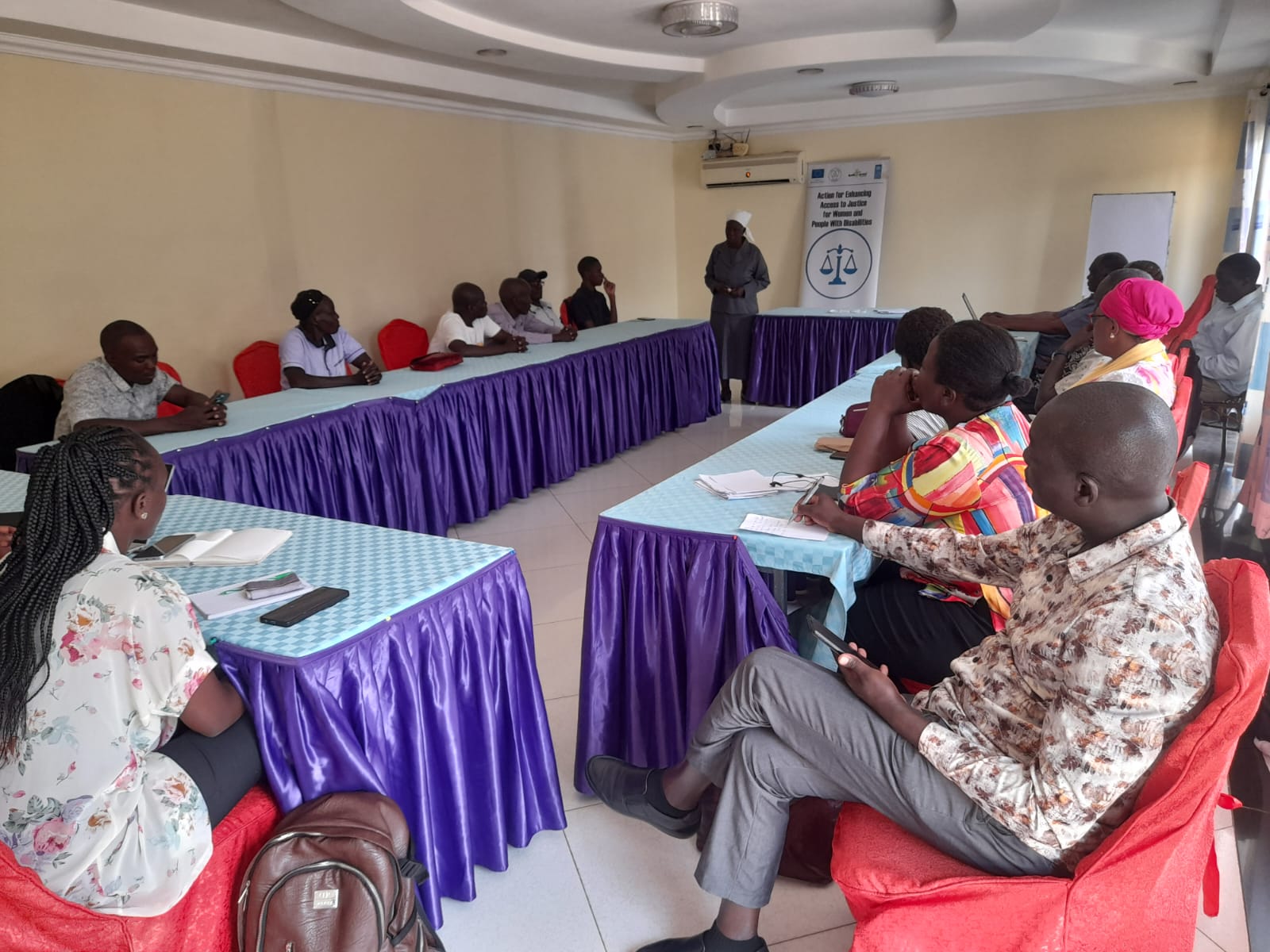
KISUMU, Kenya, July 22 – Participants in the Uhai Lake Forum held in Kisumu have called on the government to urgently employ and deploy land officers to help vulnerable members of the community address issues related to land rights, succession, and inheritance.
The call follows a growing outcry from families affected by land injustices, with many reporting being dispossessed by cartels through fraudulent land transactions.
Several affected families shared testimonies during the forum, describing how they were left landless after the deaths of family members, often through manipulation of land records or forceful evictions.
Widows, in particular, were reported to be frequent targets of such injustices.
Prof. Raphael Kapiyo, an Ecological Expert and Chairperson of Uhai, urged the government to consider hiring land officers who can operate at the sub-location or ward level, where land conflicts are most common.
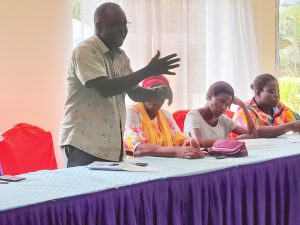
He said these officers would help in resolving disputes and protecting the rights of the vulnerable.
“We need land extension officers at the grassroots level. So many widows are chased from their ancestral land when their spouses die. You must have officers who understand land issues at the home level,” said Prof. Kapiyo.
He also recommended that the Kenya National Human Rights Commission (KNHRC) adopt and train paralegals to serve as land extension officers to assist in adjudicating land matters and ensuring justice in succession and inheritance cases.
Forum participants noted that the lack of government presence on the ground has allowed land cartels to thrive, resulting in a spike in conflicts and legal battles over land ownership.
The forum concluded that deploying trained officers to handle land issues at the community level would help reduce disputes, curb illegal land transactions, and provide much-needed support to affected families.
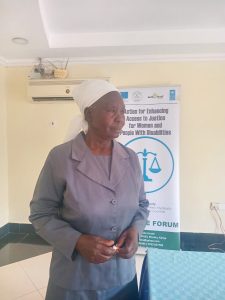
During the forum, one of the widows, Margaret Akinyi, gave a moving testimony highlighting the critical role of the legal system in protecting vulnerable landowners from unlawful evictions.
After living on her ancestral land in Seme for 27 years, she faced the threat of displacement by a private developer who had already begun preparing the land for construction.
However, the courts intervened just in time, placing a caution on the land and halting the eviction.
“I rue what happened—that the developer had come and offloaded material in my compound ready to start construction—but was blocked by the courts,” Akinyi recounted gratefully.
Jamine Madara, a local elder and a community land trustee, raised concerns about the growing number of land disputes, lamenting that many people are being dispossessed of their land without their knowledge.
He emphasised the need for stronger local oversight, including the deployment of land extension officers in every ward to address and prevent such cases.
These sentiments were shared during a gathering organised by Uhai Lake Forum delegates, who underscored the importance of embracing Alternative Justice Systems (AJS).
They advocated for community-based approaches to resolve land and civil disputes affordably and fairly, helping to bring justice closer to the people and ease pressure on formal courts.
This case is a reminder of both the vulnerabilities surrounding land ownership and the importance of accessible justice systems—formal and alternative alike.
Uhai Lake Forum CEO Mark Omondi said they were currently carrying out massive grassroots sensitisation meetings to induct the vulnerable on the Alternative Justice Systems (AJS).
He thanked the European Union in Kenya and UNDP Kenya for leading a rigorous push for enlightening members of the communities.
Omondi said they are currently traversing Kisumu County educating residents on seeking AJS.
This is to increase awareness among the vulnerable members of society and reduce their risks of residing or becoming victims of fraudulent land transactions.