“With the growing demand for propolis, royal jelly, and beeswax in hospitals and global markets, we have the potential to be a net exporter,” says Leakey Japur Farm Solutions CEO
KISUMU, May 2026 -The buzzing of bees along the Kisumu-Maseno Road signaled more than just a productive season; it marked a strategic shift toward commercializing apiculture in Western Kenya.
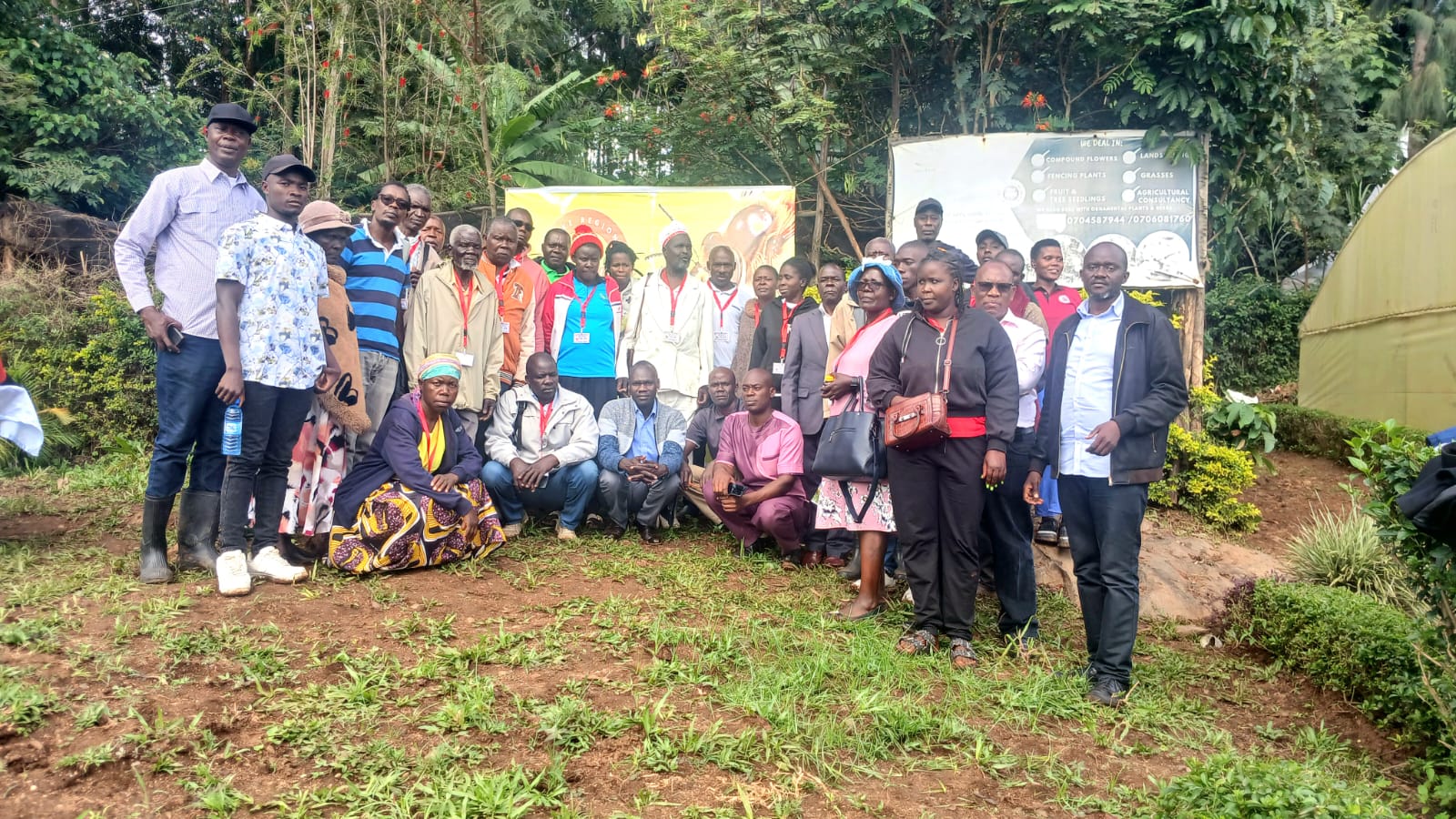
Japur Farm Solutions, in collaboration with the Lake Region Bee Farming Association, hosted the Kisumu Api-Field Day to coincide with World Bee Day, aiming to transform beekeeping from a traditional pastime into a high-value economic engine.
Speaking at Japur Farm near Daraja Mbili, CEO Louis Leakey emphasized that Kenya is sitting on untapped potential. Despite 80% of the country’s land being suitable for bees, Kenya remains a net importer of honey.
“We produce about 25,000 metric tons of honey annually, but we are only harvesting a fraction of what is possible,” Leakey remarked. “With the growing demand for propolis, royal jelly, and beeswax in hospitals and global markets, we have the potential to be a net exporter.”
Leakey broke down the economic reality for local households with yields for a modern hive can produce 10–15 kg per harvest, and the frequency is such that farmers can harvest 2–3 times a year.
“At current rates of Sh 800–1,200 per kg, even a small apiary of five hives can provide a life-changing income for a rural family,” he explained on income generation.
Sustainability
The event highlighted that bees are the silent engines of the Lake Region’s agriculture. Beyond honey, bees are responsible for pollinating 70% of crops.
“No bees, no mangoes or avocados in our region. No bees, no beans on our plates,” Leakey warned.
This sentiment was echoed by Napoleon Were, a farmer from Koguta-Nyakach, and Kepha Agure, Chairman of the Lake Region Bee Farming Association. Agure noted that the association,which spans all 14 counties of the Lake Region Economic Bloc (LREB), was established to bridge the gap in training and market access.
A major focus of the Field Day was moving away from traditional log hives, which Leakey noted produce low yields and are difficult to manage.
The transition to Langstroth and Kenya Top Bar Hives (KTBH) is central to the “three-pronged approach” proposed by Japur Farm Solutions include modernization by replacing log hives with Langstroth/KTBH to double or triple production.
“Scale up training via the National Beekeeping Institute and LREB Farming Association, and Conservation by adopting bee-friendly farming and reduce the use of harmful pesticides,” Leakey suggested the strategies.
Value Addition
One of the most critical takeaways for the gathered farmers from Siaya, Migori, and Kisumu was the importance of branding and packaging.
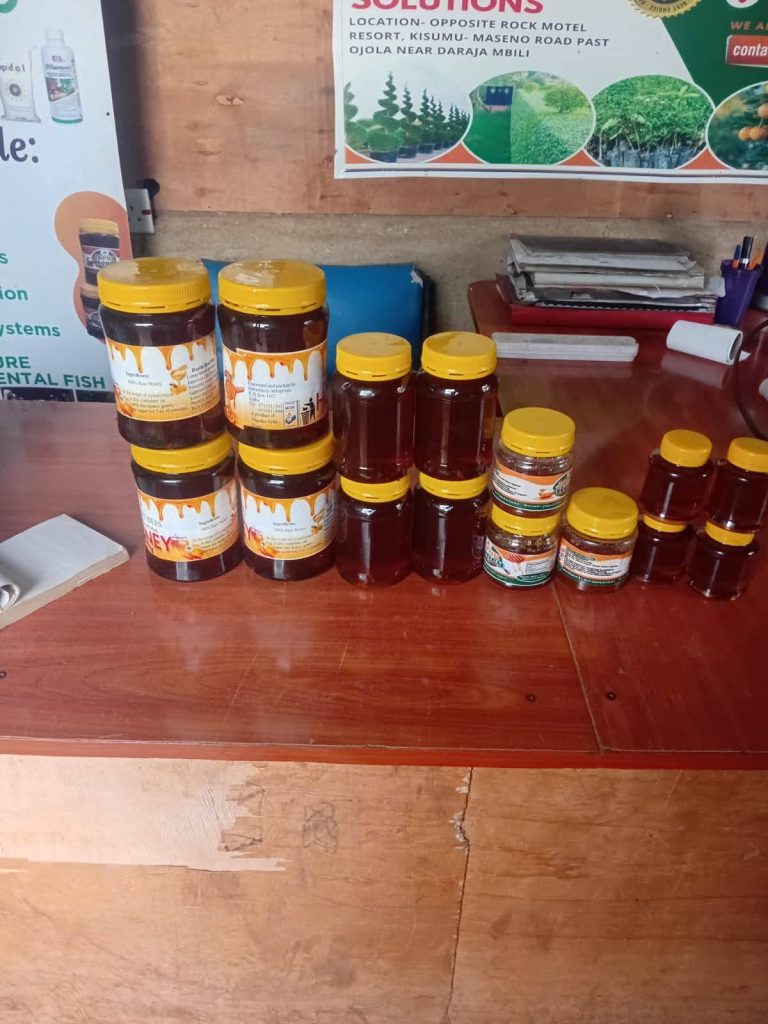
Leakey urged farmers to stop selling raw honey in recycled soda bottles. Instead, the industry must look toward to Processing beeswax into candles, Refining propolis into medicine, and Certified honey products ready for the international export market.
Call to Action
For Lilian Owang, a local farmer, the benefits are personal. “It has been of great importance to my family… in my house, ailments such as coughs don’t exist,” she said, highlighting the medicinal value of hive products.
As the event concluded, the message was clear: beekeeping is a national strategy for jobs, food security, and forest preservation.
“When communities earn from hives, they protect trees instead of cutting them for charcoal,” Leakey concluded. “Bees and trees grow together.”